Where Does Secondary 2 History Take Us?
Where Does Secondary 2 History Take Us?
Secondary 2 History covers Singapore from 1942 to the late 1970s and asks one big question: how did Singapore go from a British to an , and then survive on its own? The story is told in two parts and five chapters: the struggle for independence (1942–1965) and surviving as a (1965 to the late 1970s). One thread runs through both: events were shaped by and by people's choices working together.
The Padang: One Field, Huge Moments
- 1942: a parade on the Padang during the shows Japan was now in control.
- 1945: a British admiral inspects sailors there at the end of the war, marking Britain's return.
- 1959: the new state anthem is sung for the first time on the City Hall steps, marking .
- 1965: a ceremonial parade marks the opening of Singapore's first Parliament as an independent nation.
- Significance: one field, four moments, each showing who was in charge of Singapore at the time.
Secondary 1 in Four Lines
- Around 1299: Temasek was a busy port, followed by quieter times.
- 1819: the British set up a trading post.
- Migrants: people from many places helped Singapore grow into a major port city.
- February 1942: Singapore fell to the Japanese, which is where Secondary 2 begins.
The Big Question
- The question: how did Singapore go from a British colony to an independent nation, and then survive on its own?
- Colony: a place ruled by another country. Independent nation: a country that rules itself.
- The twist: even many of Singapore's own leaders did not expect it to end up the way it did.
Part One: The Struggle for Independence (1942–1965)
- Chapter 6: what people experienced during the Japanese Occupation.
- Chapter 7: how people responded when the British returned, leading to self-government in 1959.
- Chapter 8: how Singapore joined Malaysia through in 1963, then separated in 1965.
- Why Chapter 6? Secondary 2 continues from Secondary 1's five chapters.
Part Two: Surviving as a Nation-State (1965–Late 1970s)
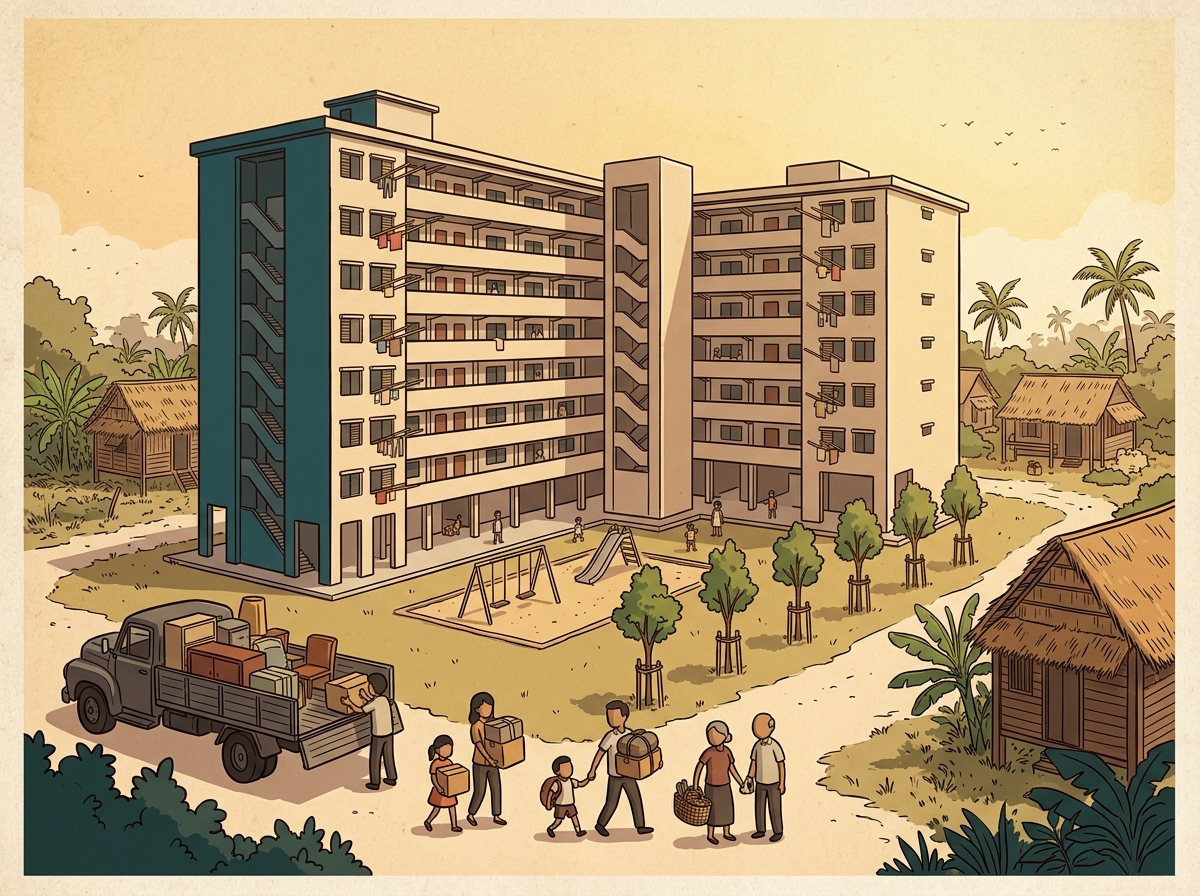
- Nation-state: an independent country whose people share things like a national identity, a history and a culture.
- Chapter 9: how a tiny new country kept itself safe.
- Chapter 10: how people's lives changed, from jobs and homes to schools and health.
- The link: separation in 1965 left Singapore to survive on its own, which is why Part Two begins there.
One Thread to Watch: Circumstances and People
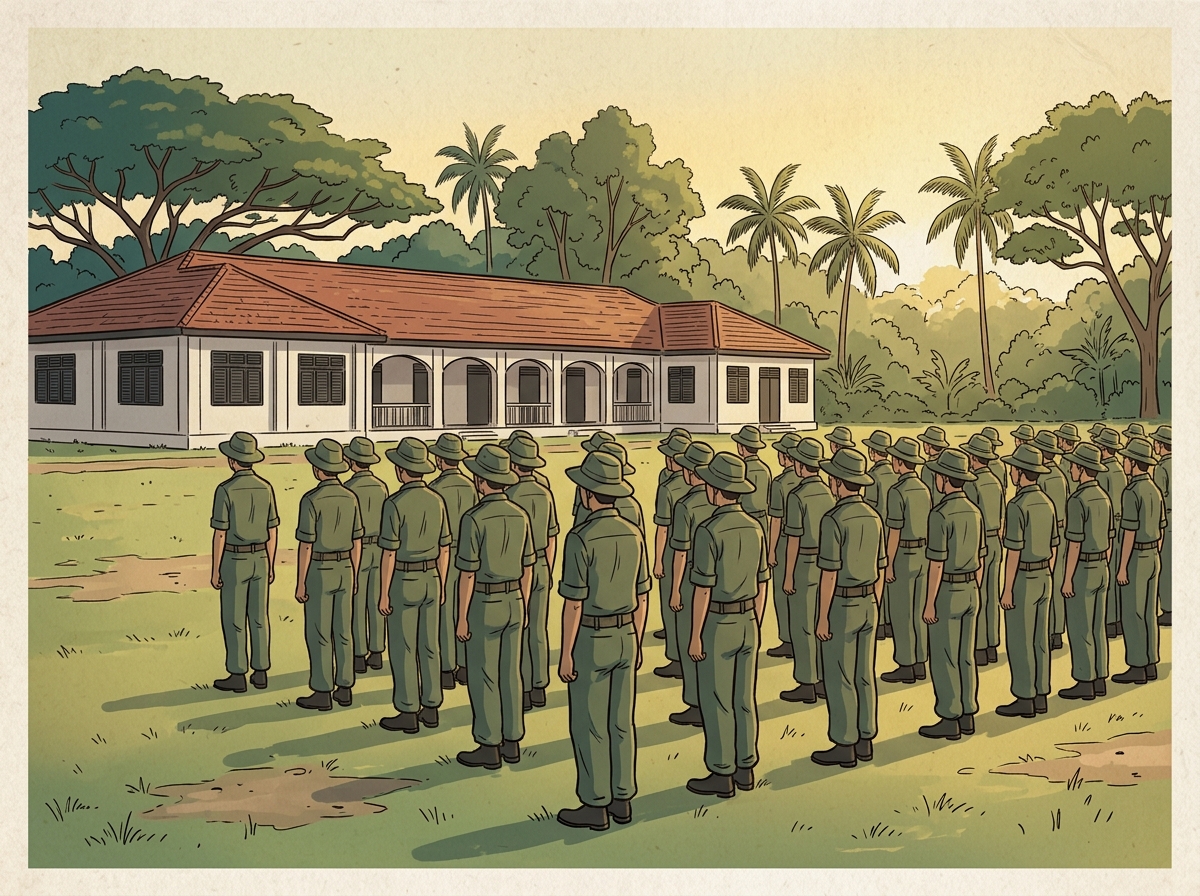
- Two forces: big events usually result from two things working together.
- Circumstances: what is happening in the world, such as wars, empires ending and new countries being born.
- People: the choices leaders made, and the choices of ordinary people too.
- The question to keep asking: was it the circumstances, or the people? Usually, it is both.
In One Sentence
- Secondary 2 explains how Singapore changed from a British colony into an independent nation between 1942 and 1965 and then survived on its own up to the late 1970s, as circumstances and people's choices worked together.
Think About It
- Think of the four Padang moments. Which one do you think changed Singapore the most, and why?
- Why might even Singapore's own leaders not have expected independence to happen the way it did?
- Pick one event from your own life. Was it shaped more by circumstances or by people's choices?