Why Was This Source Made?
Why Was This Source Made?
Purpose is why a source was made: what it wants its audience to think, feel or do. In Sec 1 it was an optional challenge; in Sec 2 it is a core skill, because one of the source questions is often about purpose. These notes set out three steps (message, audience, outcome), a model purpose answer, how to read cartoons and posters in three layers, and quick checklists for paintings and speeches.
Message vs Purpose
- A bubble-tea flyer: you do not just ask what it says, you ask what it wants you to do. That is purpose.
- Message: what a source says.
- Purpose: one step further, to what it wants the audience to think, feel or do.
- Typical questions: "Why was this poster published?" "Why was this cartoon drawn?"
The Three Steps
- Message: what is the source saying?
- Audience: who was it made for? Be specific, not just "people".
- Outcome: what did the maker want the audience to do?
Worked Example: An HDB Flyer, 1964
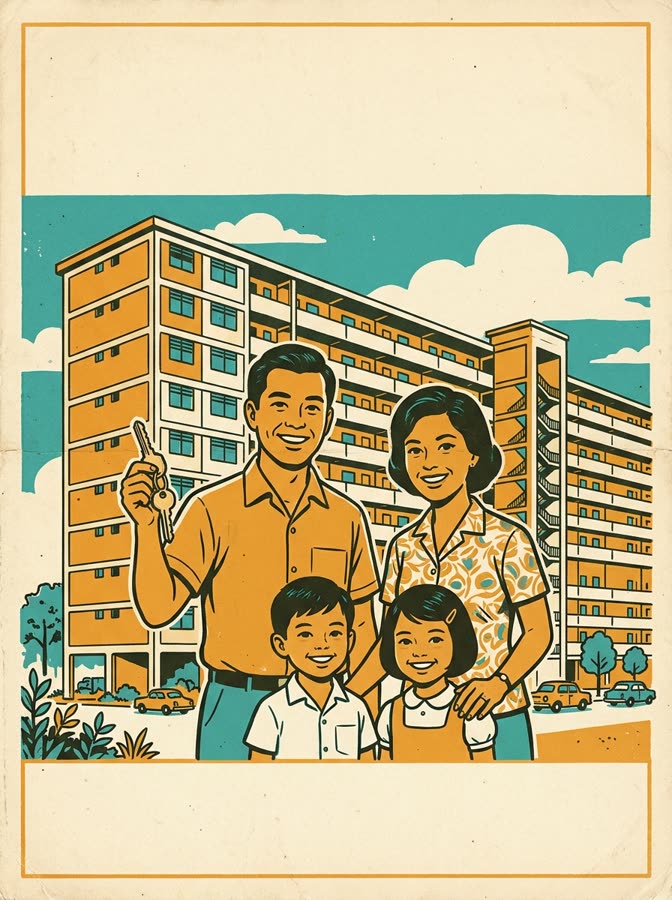
- The source: a smiling family in front of a new block of flats. "Own your own home! … Pay a little each month. Your home, your future."
- Context: the HDB was set up in 1960. Until 1964, families could only rent its flats; then it started selling them.
- Message: owning a flat gives your family a safe, settled future, and it is easy to afford.
- Audience: families who did not own a home yet, such as those renting or living in crowded kampongs.
- Outcome: buy a flat and become home owners.
Why Was This Source Made?
Writing the Purpose Answer
- PPointThis flyer was made by the HDB in 1964 to persuade families who did not own a home to buy their own flat.
- EEvidenceThe flyer shows a smiling family in front of a new block of flats and says "Own your own home!", "Pay a little each month" and "Your home, your future". The HDB had started selling its flats in 1964.
- EElaborationThe happy family and the promise of a secure future make owning a flat look desirable, while "pay a little each month" makes it seem affordable, so the flyer removes the main worry that would stop a renting family from buying. Because the HDB had only just started selling flats, it needed families to sign up.
- LLinkHence, the flyer's purpose was to get families to buy HDB flats and become home owners.
What Makes a Top Purpose Answer
- Purpose verb: start strong with persuade, convince, encourage, urge, warn or criticise.
- The full answer: purpose, audience and outcome, backed up with evidence from the source and context; that is the top of the usual ladder.
- Common gap: "This flyer was made to show people HDB flats" gives no purpose verb, no specific audience and no outcome.
Cartoons and Posters: Three Layers
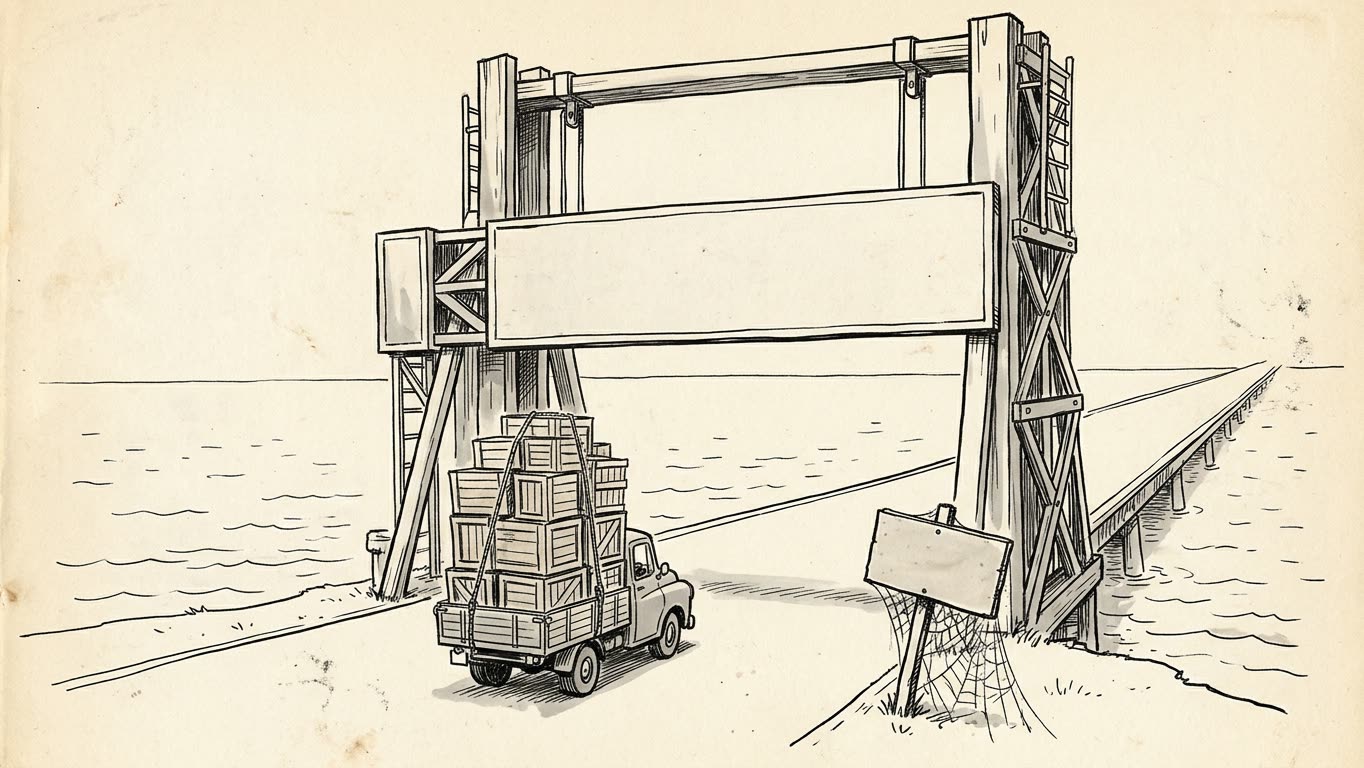
- The layers: what do I see? What is it saying? What does it want me to do?
- Example: a small lorry of Singapore goods waits at a giant "Tariffs" gate on the Causeway, next to a cobwebbed "Common market: coming soon" sign.
- The tricks: symbols (cobwebs mean a long wait), size (the giant gate exaggerates the problem) and labels (they show what each thing stands for).
- Purpose: to criticise the federal government for delaying the common market.
Paintings and Speeches
- Painting: see, think, wonder. What do I see? What do I think it means? What do I still wonder about? Then ask about purpose.
- Speech: who is the speaker, who is the audience, and what is the occasion?
- Then: what are the key points, and what did the speaker want to happen?
In One Sentence
- To find a source's purpose, work out its message, its specific audience and the outcome its maker wanted, then start with a purpose verb and back the answer up with evidence from the source and its context.
Think About It
- "This flyer was made to show people HDB flats." What three things are missing from this answer? Rewrite it.
- Why do cartoonists exaggerate the size of things? Find one exaggeration in the Causeway cartoon and say what it suggests.
- Look at any advertisement near you. Who is its audience, and what outcome does it want?