How Do You Make an Inference?
How Do You Make an Inference?
An is a conclusion you draw from a source, plus what you already know (). It is not a , because it rests on evidence, and it is not a copy, because it says something the source does not say outright. Exam questions ask for inferences in many different words, but it is always the same skill, done in three steps: find the , pick out the , then add what you know and conclude.
What Is an Inference?
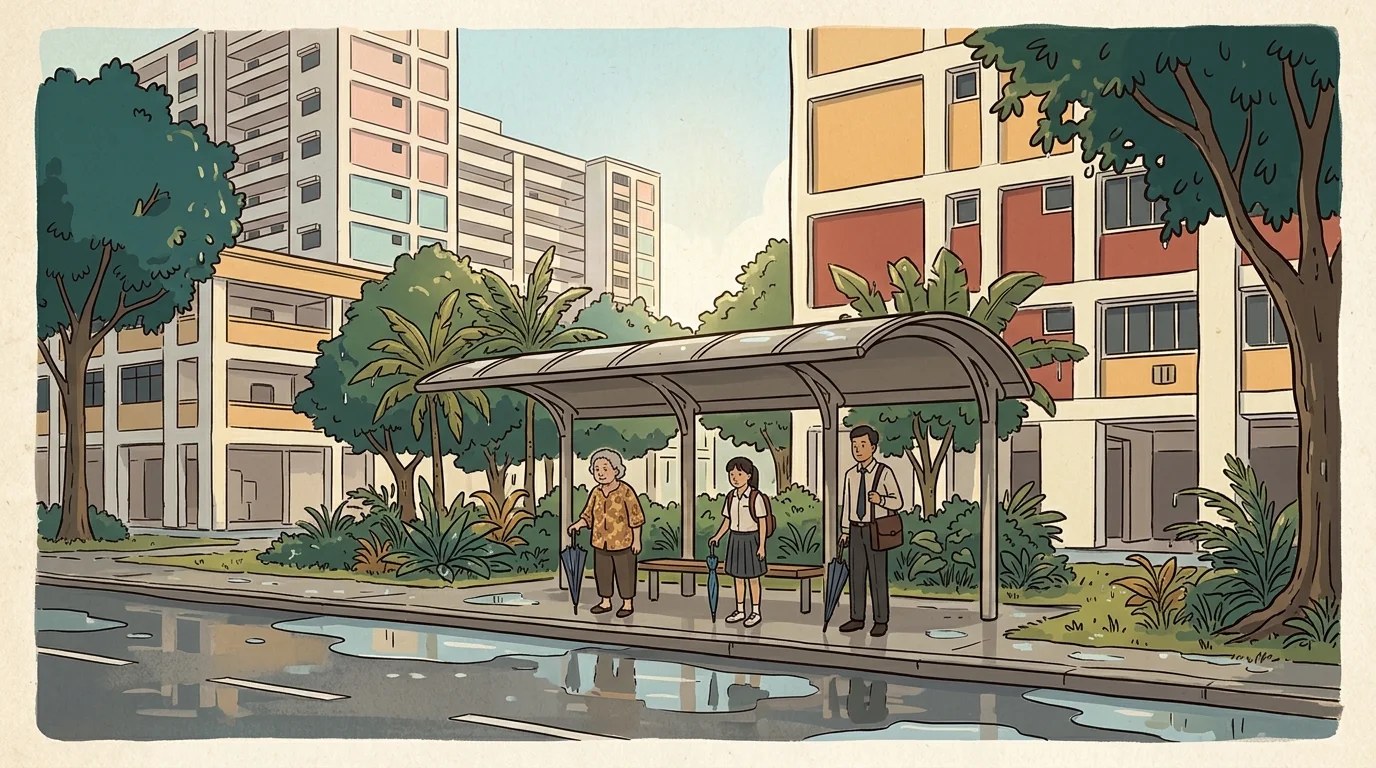
- Everyday example: a wet road and dripping umbrellas. You didn't see it rain, but you can work out that it did.
- Inference: a conclusion you draw from a source, plus what you already know.
- Not a guess: a guess is an opinion with no evidence behind it.
Different Words, Same Skill
- "What does Source A tell you about…?"
- "What can you infer from Source B…?"
- "What does this source suggest about…?"
- "What is the message of the source?"
- "Do you think the writer is a supporter or an opponent of…?"
The Three Steps
- Identify the keywords in the question.
- Identify the source details that answer it.
- Use those details, plus what you already know, to reach a conclusion.
- Source details + contextual knowledge = inference.
Worked Example: Japanese Soldiers in Malaya
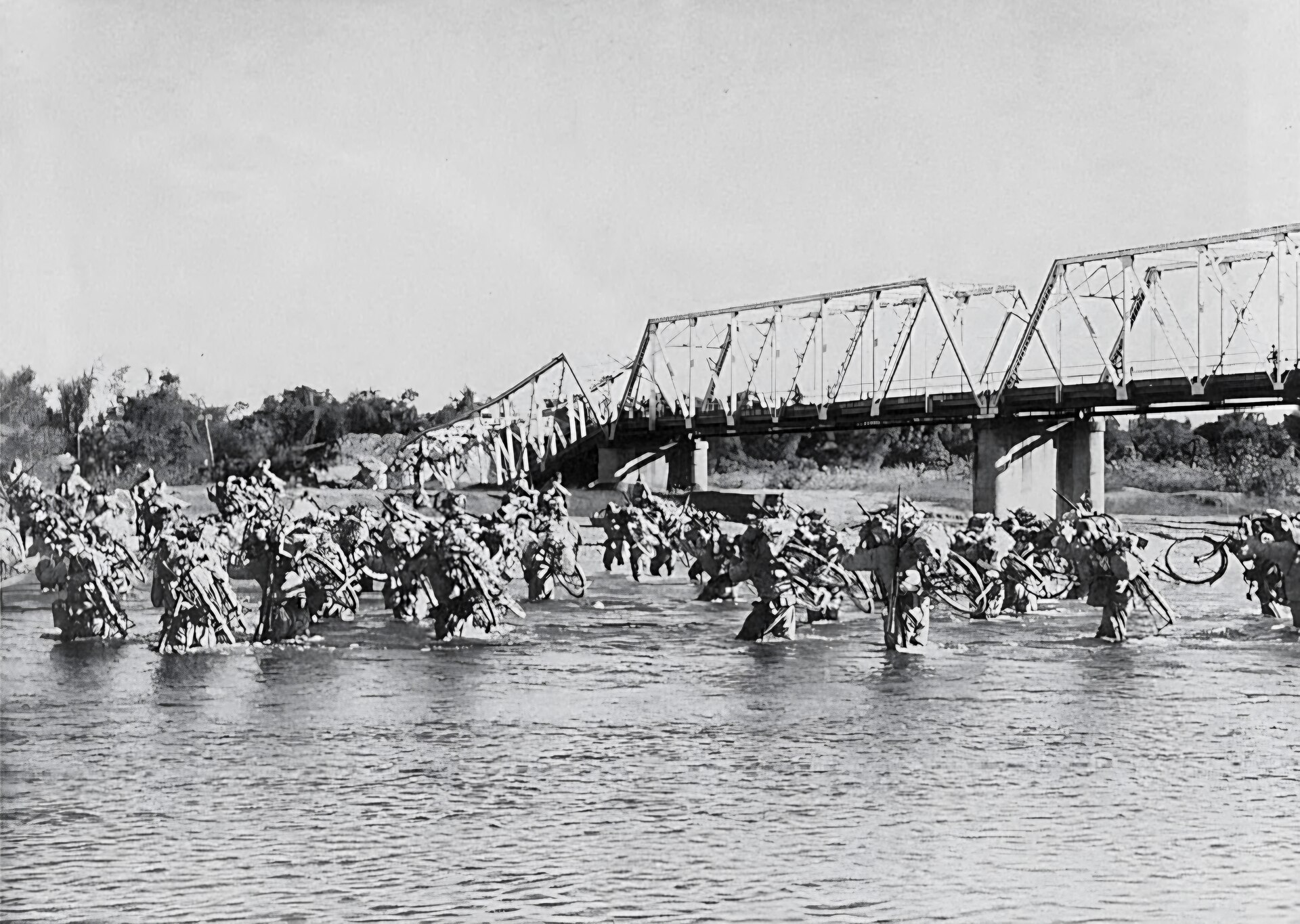
- The source: based on an account by Freddie Spencer Chapman, a British soldier in Malaya during the Japanese invasion.
- Keywords: "the Japanese soldiers". Not the British, not the jungle.
- "Riding bicycles" + the Japanese used bicycles and light tanks to move fast = they could move fast through Malaya.
- "Carried as little as possible" + they were lightly equipped on purpose = they could catch the British off guard.
- "How determined they were" + young, capable, highly motivated officers = they were confident and determined to win.
Quick Check
- Not an inference: "Source A says the Japanese were on bicycles." It just repeats the source.
- An inference: what it means, that they could move fast through Malaya.
In One Sentence
- An inference combines source details with contextual knowledge to reach a conclusion the source doesn't state outright, so it is never a guess and never a copy.
Think About It
- Look around your classroom. What can you infer about your school from one thing you see, and what is your evidence?
- Why does an inference need what you already know, not just the source?
- "The writer seems angry." Is that an inference, a guess or a copy of the source? How would you check?