Why Did the British Become More Involved in Southeast Asia in the 19th Century?
Why Did the British Become More Involved in Southeast Asia in the 19th Century?
For a long time the British traded mainly in India and had only a small presence in Southeast Asia. From the mid-1700s it became more involved for two reasons: Britain needed to protect its , and it wanted a share of the . Both brought it up against the Dutch, which led Britain to look for a new port of its own.
Who Was the EIC?
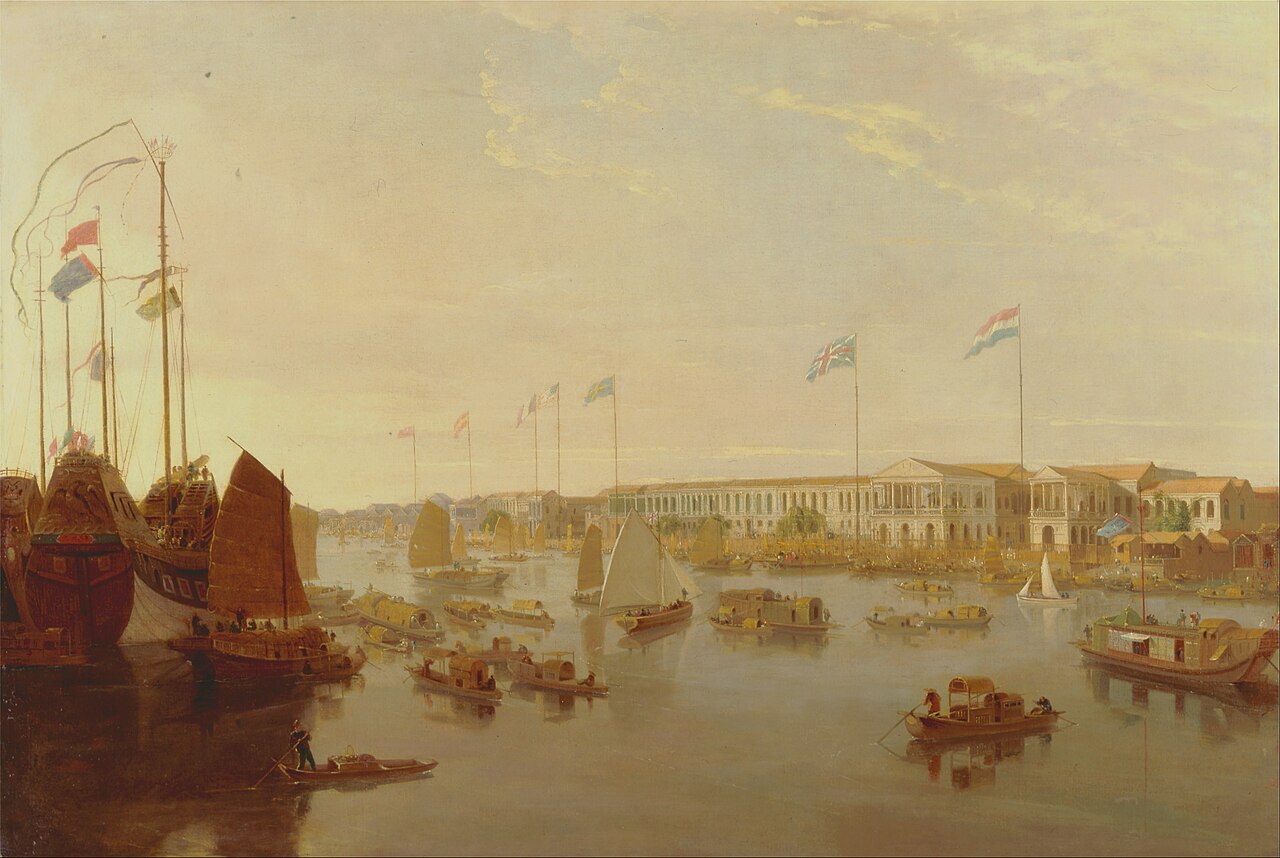
- Set up: the EIC was formed in 1600 to help British traders find bigger markets and profit from trade in Asia.
- Royal charter: the British government gave it the sole right to trade for Britain in India, Southeast Asia and China, so British expansion in the region was carried out through the company.
- Famous staff: Stamford Raffles worked for the EIC. The company ended in 1858.
Why Did the British Become More Involved in Southeast Asia in the 19th Century?
Reason 1: Protecting the India–China Trade
- PPointOne reason why the British became more involved in Southeast Asia was the need to protect their India–China trade.
- EEvidenceBy the late 1700s the EIC controlled much of India, and the India–China trade was its biggest money-maker: cotton and opium from India and wool from Britain went to China, and tea, silk and came back. Its ships had to pass through the , and in the early 1800s the Dutch controlled these waters, while the EIC's trade in the region was confined to .
- EElaborationBecause the Straits were the only sea link between the Indian Ocean and the South China Sea, the EIC's most valuable trade depended on a route its rival controlled. Without a port of its own there, British ships had nowhere free to stop, and the trade was at the mercy of the Dutch.
- LLinkHence, protecting the India–China trade required Britain to gain a foothold in Southeast Asia, free from Dutch control.
Reason 2: A Share of the Spice Trade
- PPointAnother reason why the British became more involved in Southeast Asia was that they wanted a share of the spice trade.
- EEvidenceFrom the 1400s, spices such as cinnamon, pepper and nutmeg were as valuable as gold in Europe, used for cooking, medicine and preserving food. Nutmeg, cloves and mace grew only in the Spice Islands (the Moluccas). By the 1800s spices were less valuable than before, but the trade was still very profitable.
- EElaborationHigh demand kept prices high, so whoever controlled the source of the spices made large profits. Since the Dutch already dominated the Spice Islands, any British share would have to be won from them.
- LLinkThus, the search for spice profits put Britain in direct competition with the Dutch and added to its need for a base in the region.
Spices: Then and Later
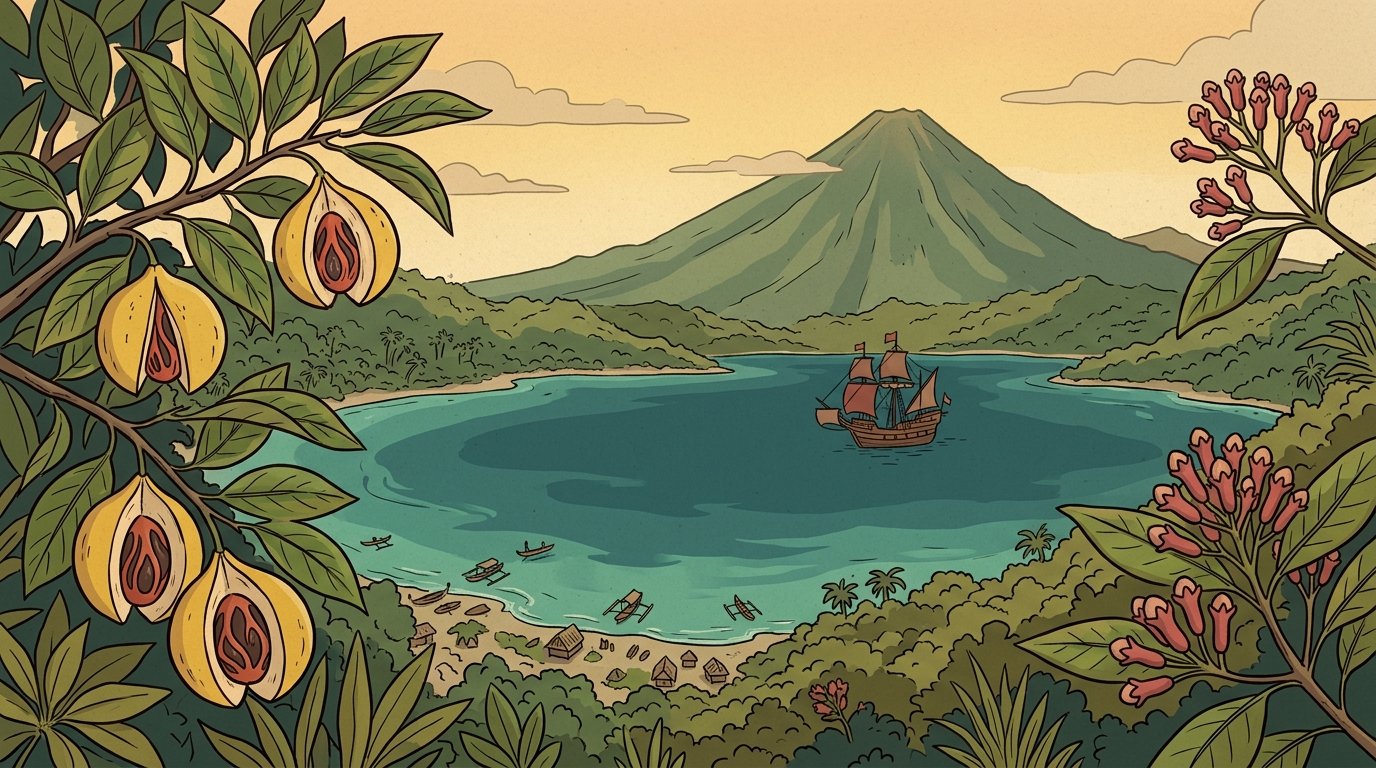
- 16th century: the spice trade drew Europeans to the Spice Islands, today's Maluku Islands.
- By 1700: demand for spices in Europe had fallen, as Indian cloth and cotton grew more popular.
- 18th century: spices became less important as the coffee and tea trades grew, but they still earned European traders a great deal of money.
- Significance: both reasons led Britain into rivalry with the Dutch, and so to look for a new port of its own, the subject of the next video.
In One Sentence
- The British became more involved in Southeast Asia to protect their India–China trade and to win a share of the spice trade, and because the Dutch stood in the way of both, Britain needed a port of its own.
Think About It
- Why were goods such as tea and opium so important to the EIC?
- Spices were becoming less valuable by the 1800s. So why might the British still want a share of the trade?
- Which of the two reasons do you think mattered more to the British? Use a fact to back up your answer.