Who Shaped Singapore's Path to Becoming a British Trading Post, and When?
Who Shaped Singapore's Path to Becoming a British Trading Post, and When?
By the 18th century Singapore was a quiet island with little trade. Four long-term causes set the scene for change: the rivalry between the British and Dutch trading companies, Johor-Riau's position as a Dutch , the wars in Europe from 1789, and the 1812 quarrel over Johor's throne. These notes set out the timeline from 1819 to 1826, during which Singapore became a British possession, and the chapter's central concept: causation.
Why it matters
This marked the start of Britain's organised trade in Asia. The EIC employed Raffles, Farquhar and Crawfurd, so it was the company that later set up and ran the British settlement in Singapore.
Why it matters
This was significant because the VOC became Britain's main rival for the region's trade. As the Dutch got there first, the British later had to look for ports the Dutch did not control.
Why it matters
As a result, Johor-Riau became a smaller state under Dutch control. Since Singapore was part of Johor-Riau, the Dutch could claim a say over it, which later made the British settlement there contested.
Why it matters
This marked Britain's first base in the Straits. However, Penang was too far north to control the Straits of Melaka, which contributed to the British search for another port further south.
Why it matters
This was significant because the fighting in Europe spilled over into Asia. As a result, Britain and the Dutch swapped control of ports in the region, shaping who held power in the Straits.
Why it matters
This enabled Raffles to get to know the region well. It also showed him how much the Dutch controlled its trade, which shaped his later search for a British port.
Why it matters
This dispute over the throne was significant because it gave the British an opening later. In 1819 they recognised the elder son, Hussein, as Sultan in return for permission to set up their trading post.
Why it matters
As a result, the Dutch regained their ports and Raffles lost Java. This strengthened Dutch control of the region's trade and pushed the British to look for a port of their own.
Why it matters
This showed that the Dutch were firmly in control of the region. It set the scene for Raffles' search for a new British port just months later.
Why it matters
This marked the start of British involvement in Singapore. However, the treaty only gave the British a trading post in the south of the island, run by Farquhar as the British official in charge.
Why it matters
This was significant because the town plan gave each community its own area. As a result, the settlement could grow in an orderly way.
Why it matters
This marked a change in leadership, as Crawfurd took over the day-to-day running of the settlement from Farquhar. He later signed the 1824 treaty that gave Britain the whole island.
Why it matters
This marked the point when Singapore fully came under British control. The Dutch could no longer challenge the settlement, and Britain gained the whole island, not just the 1819 trading post.
Why it matters
As a result, Britain held three ports along the Straits of Melaka. This showed that Singapore had become part of a wider British network in the region.
Two Rival Companies
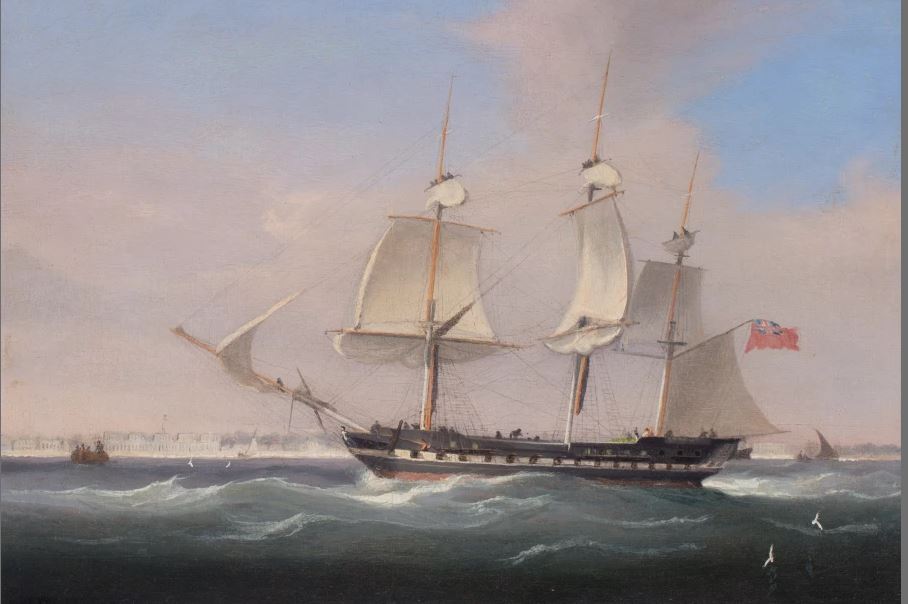
- The EIC: the British East India Company, set up in 1600, held a royal charter, so only its traders could trade for Britain in India, Southeast Asia and China.
- The VOC: the Dutch East India Company, set up in 1602, could trade for the Netherlands from the Indian Ocean to the Pacific.
- Rivalry: the two companies competed for trade in Asia, and because the Dutch controlled more of Southeast Asia, Britain was drawn to seek a stronger position there.
Singapore Before 1819
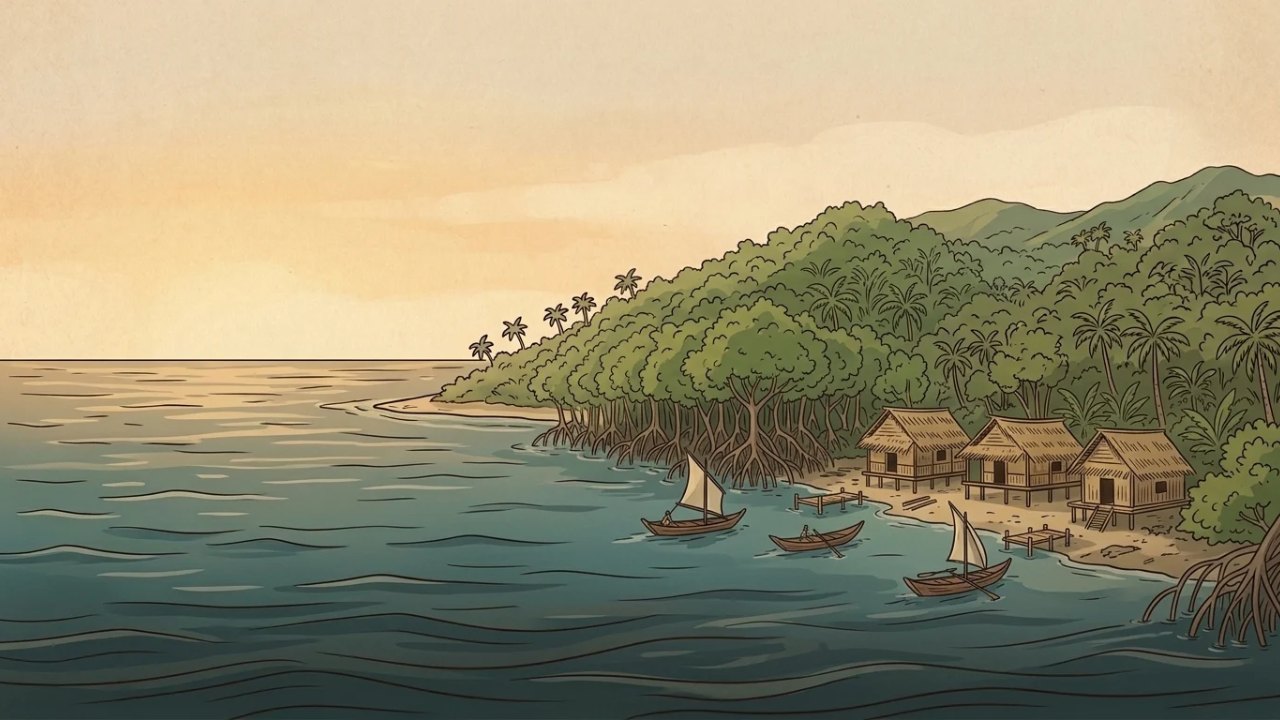
- A quiet island: by the 18th century, Singapore had little trade or economic activity.
- Part of Johor-Riau: from 1784, Johor-Riau was a vassal of the Dutch, which gave the Dutch a claim to a say over Singapore.
- Wars in Europe: fighting from 1789 to 1815 spilled over into Asia, and Britain and the Dutch swapped control of ports.
- A disputed throne: in 1812, the Bugis chiefs, with Dutch support, made the younger son Sultan while his elder brother, Tengku Hussein, was away; this quarrel later gave Raffles his opening.
The Big Idea: Causation
- Causes: historians explain an event by its causes, the reasons it happened; causes can be people, events or actions.
- More than one: an event usually has several causes, and some are more important than others.
- Linked causes: long-term causes, such as the Dutch rivalry, created the conditions that short-term events, such as the 1812 quarrel, turned into action.
- In this chapter: weigh the different causes that led the British to set up a trading post in Singapore.
The Chapter's Questions
- Why did the British set up a trading post in Singapore?
- How did the British overcome the challenges of setting it up?
- How did key people help to develop Singapore from 1819 to 1826?
In One Sentence
- Rivalry with the Dutch, the wars in Europe and a quarrel over Johor's throne set the scene for the British to turn Singapore from a quiet island into a British possession between 1819 and 1826.
Think About It
- The EIC was a company, not a government, yet it ran ports and signed treaties. Why might a government let a company do that?
- Look at the timeline. Which event outside Singapore do you think mattered most to what happened in 1819? Why?
- Why do historians say Singapore came under British control in 1824, not 1819?