How Did Farquhar Get the New Settlement Going?
How Did Farquhar Get the New Settlement Going?
Raffles left Singapore the day after the treaty of 6 February 1819, leaving William Farquhar, the first , in charge. These notes explain three ways Farquhar developed the new settlement: defending it against a possible Dutch attack, attracting traders through the , and raising funds for a . His success made Singapore a busy marketplace, but his led to conflict with Raffles.
Farquhar in Charge
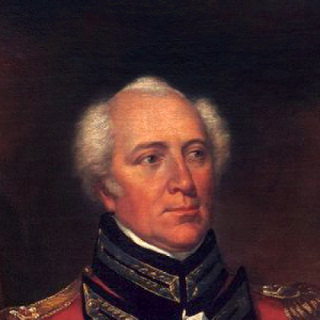
- The first Resident: before he left, Raffles made Major William Farquhar the first Resident and gave him instructions.
- A Resident: the British official in charge of the settlement.
- From nothing: Farquhar had to build a working town on an island with little trade, while Raffles was mostly away in Bencoolen.
How Did Farquhar Get the New Settlement Going?
Way 1: Defending the Settlement
- PPointOne way Farquhar developed Singapore was by defending the new settlement.
- EEvidenceHe set up defences at the Singapore River and on (present-day Fort Canning), guarded by 100 (Indian soldiers).
- EElaborationUntil the Anglo-Dutch Treaty of 1824, the Dutch still claimed Singapore and might attack to enforce that claim. Defences made the settlement secure enough for traders and settlers to risk coming.
- LLinkHence, defence was the foundation on which the settlement could be developed.
Way 2: Attracting Traders
- PPointAnother way Farquhar developed Singapore was by attracting traders to the new port.
- EEvidenceSingapore was a free port: ships paid no fees to enter, and only selected goods such as opium were taxed. Farquhar placed a British official on to tell passing ships about the port, and drew traders and labourers from Melaka, who also brought food.
- EElaborationNo entry fees made Singapore cheaper than Dutch ports, the official on St John's Island spread the word, and food from Melaka eased shortages as the population grew, so traders had reasons to come and to stay.
- LLinkThus, Farquhar's measures quickly made Singapore a busy marketplace, fulfilling the purpose of the port.
Way 3: Raising Funds
- PPointA third way Farquhar developed Singapore was by raising funds to run the settlement.
- EEvidenceAgainst Raffles' orders, he sold licences for gambling and for the sale of opium and alcohol, and used the money to set up a police force.
- EElaborationAs the population grew, the settlement needed money to run it and law and order to keep it safe; licence fees provided income without taxing trade, which would have driven traders away.
- LLinkTherefore, the licences kept the settlement orderly, but defying Raffles' orders led to conflict between the two men and, in 1822, to Farquhar's dismissal.
A Popular Resident
- Seen off by thousands: when Farquhar left in 1823, thousands of people came to say goodbye, even though he had been dismissed, showing how much the settlers valued his work.
- Gifts: he was given presents, including a silver table centrepiece from the Chinese community.
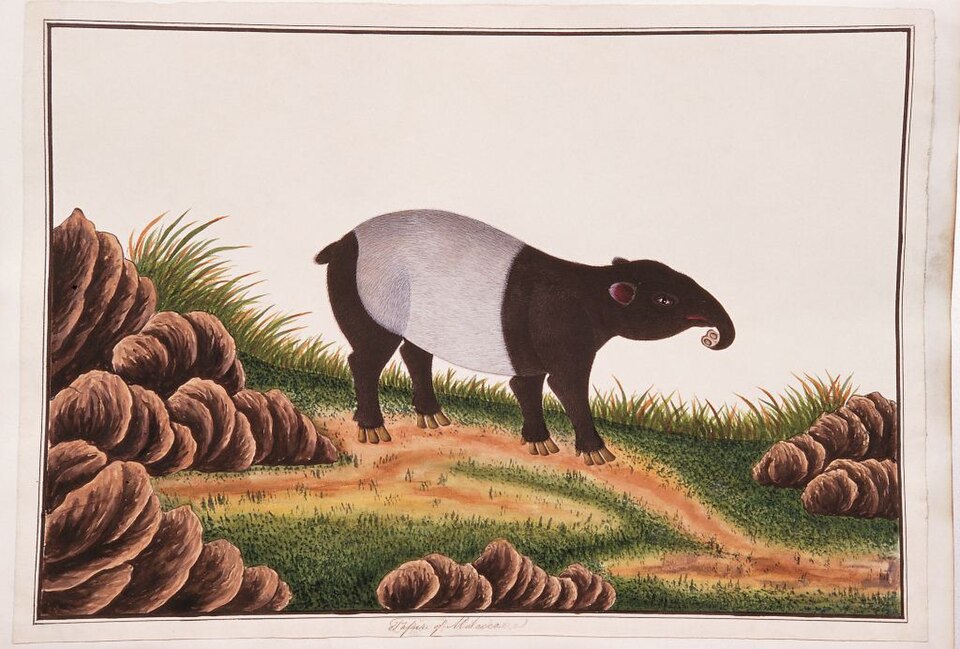
- Nature lover: Farquhar collected drawings of the plants and animals of the Malay Peninsula; Farquhar Garden at Fort Canning Park opened in 2019.
In One Sentence
- Farquhar developed Singapore by defending it, attracting traders through the free port and raising funds for a police force, which made it a busy, orderly port but set him against Raffles.
Think About It
- Farquhar sold gambling and opium licences against Raffles' orders. Was he right to do it? Give one reason for and one against.
- Why do you think so many people came to see Farquhar off, even though he had been dismissed?
- Which of Farquhar's three actions do you think helped Singapore most in its first years? Why?