What Caused Singapore to Decline Again?
What Caused Singapore to Decline Again?
From the mid-17th century, Singapore declined again. These notes explain three reasons: the Dutch pulled trade south to the and , the 1699 of Sultan Mahmud Shah II plunged Johor into crisis and its capital later moved to , and Riau grew into the region's new trading centre. By the 18th century ships bypassed Singapore. The notes end by weighing how connected early Singapore really was.
A Port Bypassed
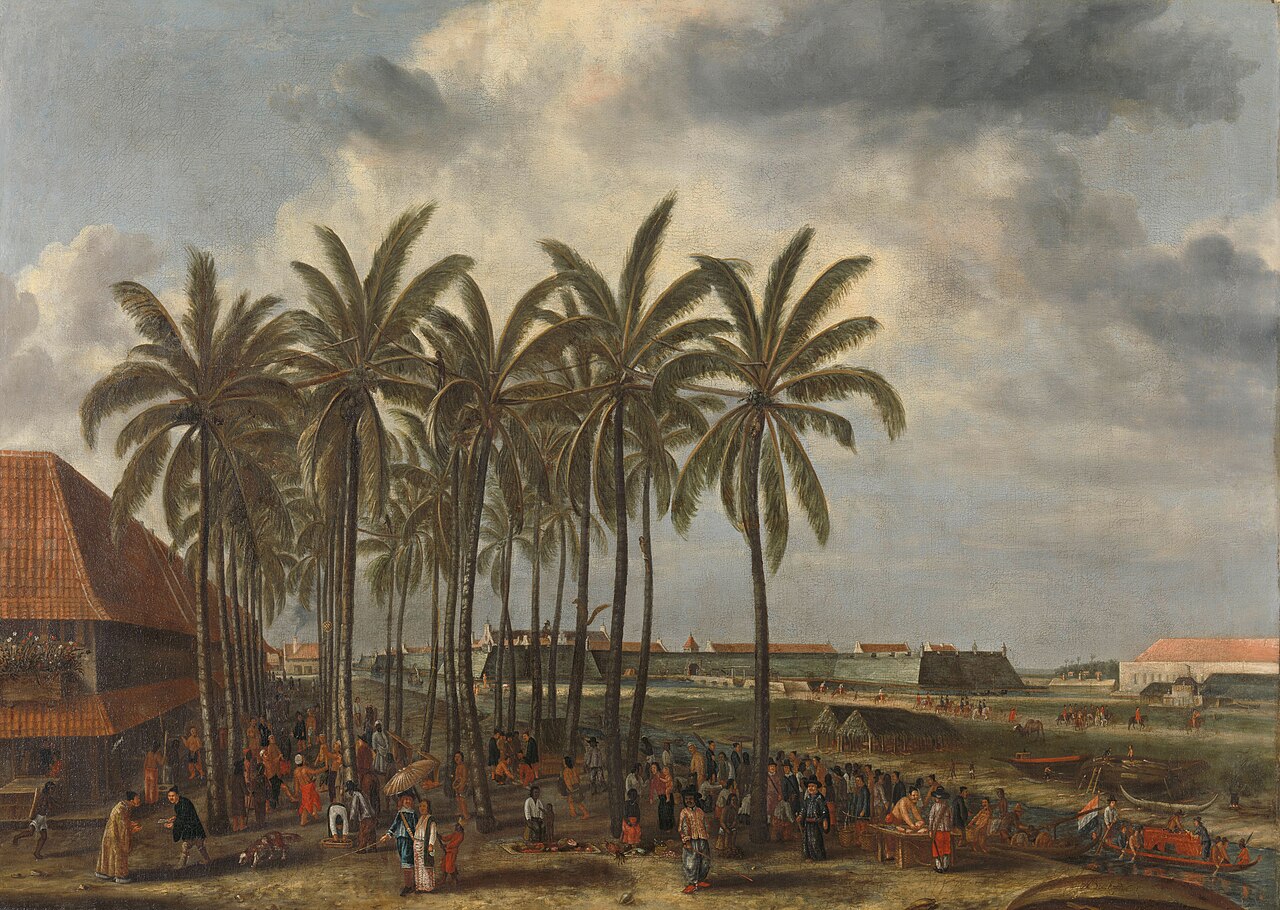
- Political changes: from the mid-17th century, changes in the region made Singapore less important.
- Ships pass by: as a result, by the 18th century, ships sailing through the region were bypassing Singapore.
- A quiet island: Singapore and the nearby coasts had few people, who lived off the sea, and pirates visited to raid or hide.
What Caused Singapore to Decline Again?
Reason 1: The Dutch Shift South
- PPointOne reason why Singapore declined again was that the Dutch pulled trade away from the Straits of Melaka.
- EEvidenceAfter 1610 the Dutch turned south towards the Sunda Straits and Java. In 1619 they made Batavia (today's Jakarta) their main base in Asia, and in 1641 they captured Melaka from the Portuguese, becoming the strongest European power in Southeast Asia.
- EElaborationAs the strongest power, the Dutch could direct trade to their own base, so ships increasingly sailed to Batavia through the Sunda Straits rather than past Singapore, and Singapore lost the passing trade it relied on.
- LLinkHence, the Dutch shift south meant that by the 18th century ships were bypassing Singapore.
Reason 2: Crisis in Johor
- PPointAnother reason why Singapore declined again was a political crisis in the Johor Sultanate.
- EEvidenceIn 1699 Sultan Mahmud Shah II was assassinated. He had no children, so the line of sultans who claimed descent from Sang Nila Utama ended, and the capital later moved from the Johor River to Riau.
- EElaborationSingapore's importance under Johor came from being the gateway to the capital on the Johor River, so when the crisis led the capital to move to Riau, there was far less reason for trade to pass through Singapore.
- LLinkThus, the crisis in Johor removed the role that had revived Singapore, leading to the rise of Riau.
Reason 3: The Rise of Riau
- PPointA third reason why Singapore declined again was that Riau replaced it as the region's trading centre.
- EEvidenceThe island of Bintan, in Riau, became the main regional (a centre of trade and business). By the 18th century, Riau and other regional ports linked the Indian Ocean with the South China Sea. With the capital no longer on the Johor River, there was no need for a Shahbandar in Singapore.
- EElaborationRiau now did the job Singapore used to do, connecting the two seas, so traders went there instead, and without a Shahbandar Singapore no longer had anyone managing trade or licensing traders.
- LLinkTherefore, Riau took over Singapore's role, and Singapore remained a quiet island until 1819.
How Connected Was Early Singapore?
- A first impression: John Crawfurd later described Singapore as a thinly populated island, used now and then as a hideout by pirates, but this reflects Singapore at its low point.
- Well connected at times: in the 14th century Temasek was an entrepôt trading with China and the region, and under Johor it revived as a gateway with its own Shahbandar.
- Less connected at others: after Melaka rose, and again after the Dutch pulled trade south, Singapore was overshadowed and bypassed, though it stayed important to Melaka through the Orang Laut.
- Gaps: the evidence is incomplete, some of it was written centuries later and some accounts disagree, so historians cannot be sure how strong those connections were.
- Judgement: early Singapore was connected to the region and the world to a considerable but uneven extent, because its fortunes depended on the powers and trade routes around it.
In One Sentence
- Singapore declined again because the Dutch moved trade south, Johor's crisis took its capital to Riau, and Riau took over Singapore's role as a trading centre, leaving a quiet island by 1819.
Think About It
- None of the three reasons happened on Singapore itself. What does that tell you about what controlled Singapore's fortunes?
- By 1819, Singapore looked like a quiet island. Would it be fair to say it had no history? Use evidence from this chapter.
- Riau replaced Singapore as the trading centre. What would Singapore need to become important again?