How Did Singapore Build Its Defences?
How Did Singapore Build Its Defences?
National Service supplied the men for deterrence: a force strong enough to convince enemies that an attack would fail, and to defeat them swiftly if war came. These notes explain three ways Singapore built a credible defence: expanding the , developing a home-grown defence industry, and forging partnerships with other countries' armed forces.
Deterrence: A Credible Force
- A credible deterrent: a force powerful enough to convince any enemy that an attack would fail or cost too much.
- If war came: the force also had to be able to defeat an enemy swiftly and decisively.
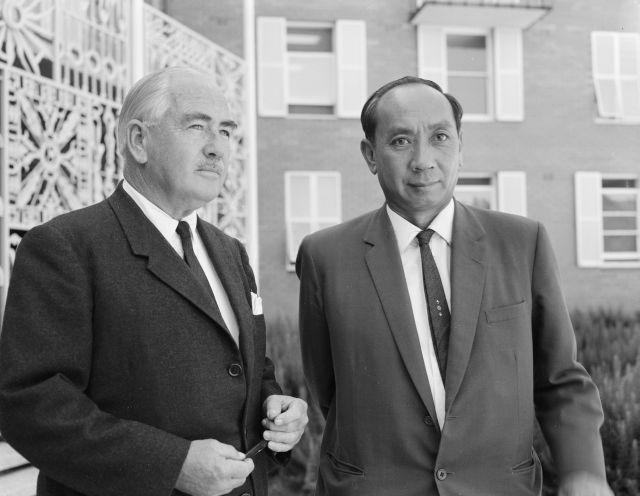
- Its architect: Dr Goh Keng Swee set up the SAF under the Ministry of Defence as Minister for Interior and Defence (1965–67).
Why Equipment Mattered
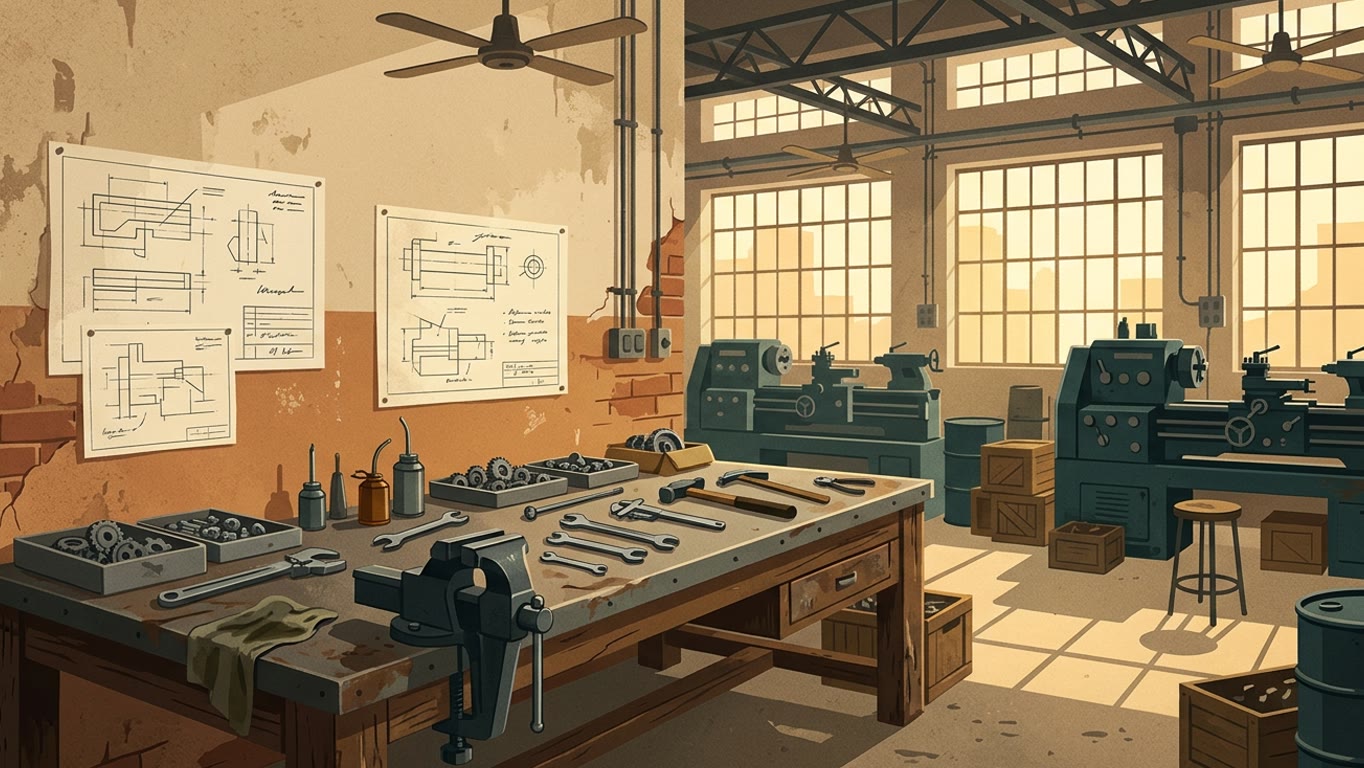
- A wide range: soldiers need everything from uniforms and boots to tanks and aircraft.
- Outdated stock: the equipment inherited from the British was mostly out of date and insufficient for a growing force.
- A weakness: relying entirely on foreign suppliers was risky, because supplies could be cut off in a crisis.
How Did Singapore Build Its Defences?
Way 1: A Bigger Force
- PPointSingapore built its defences by rapidly expanding its armed forces.
- EEvidenceDr Goh Keng Swee set up the SAF, and National Service filled it with men. The drew part-time volunteers, including ministers such as Jek Yeun Thong, Members of Parliament and senior civil servants. Women served from the start, at first in supply, clerical and signalling roles.
- EElaborationCombining conscripts, regulars and volunteers allowed manpower to grow far faster than recruitment alone, and leaders who volunteered signalled that defence was a shared national commitment. By the end of the 1970s the SAF had an army, an air force and a navy.
- LLinkHence, expanding the SAF gave Singapore the manpower it needed for a credible deterrent.
Way 2: A Home-Grown Defence Industry
- PPointSingapore built its defences by developing its own defence industry.
- EEvidenceIn 1967, Dr Goh set up to make ammunition and weapons, including the M16S1 rifle issued to almost every soldier. Local shipyards built patrol vessels for the navy, and Singapore trained its own defence engineers and scientists.
- EElaborationProducing its own weapons and ammunition meant supplies could not be cut off in a crisis, reducing Singapore's dependence on foreign suppliers and ensuring the SAF could sustain itself.
- LLinkThus, a home-grown defence industry made Singapore's deterrence self-sustaining.
Way 3: Military Friends Abroad
- PPointSingapore built its defences by working closely with the armed forces of other countries.
- EEvidenceBuilding on ties with Commonwealth countries such as Britain, Australia and Malaysia, and new ones such as the United States, the SAF bought equipment and trained with more experienced forces; some of the first officer cadets trained as pilots in France. In 1971, the committed Britain, Australia, New Zealand, Malaysia and Singapore to consult if Singapore or Malaysia were attacked, backed by combined exercises and an Integrated Air Defence System.
- EElaborationThese partnerships gave the SAF equipment, training and experience it could not develop alone, and the FPDA meant an aggressor would face the concern of several countries, so Singapore was not left isolated as Britain withdrew and wars raged in parts of Southeast Asia.
- LLinkTherefore, military partnerships strengthened Singapore's deterrence and linked it closely to diplomacy.
The SAF Then and Now
- Helping others: from 1970, when a team of 47 went to East Pakistan (now Bangladesh) after a deadly cyclone, the SAF has aided countries hit by conflict or disaster, building goodwill abroad.
- Later missions: these include Cambodia, Iraq, Afghanistan and Indonesia, where the SAF gave medical help after the 2004 tsunami.
- Women in the SAF: first in supply, clerical and signalling roles, women today also serve as tank commanders and fighter pilots.
- The FPDA today: it remains in place and continues to support peace and stability in the region.
In One Sentence
- Singapore built a credible deterrent by expanding the SAF, developing its own defence industry, and forging partnerships with other armed forces such as its FPDA partners.
Think About It
- Why was it a weakness for Singapore to rely on other countries for all its military equipment? What could go wrong in a crisis?
- Ministers and Members of Parliament volunteered for the People's Defence Force. Why might it have mattered to ordinary people that their leaders joined in?
- The FPDA members only agreed to consult one another if Singapore or Malaysia were attacked. How could a promise to consult still make an enemy think twice?