Deterrence or Diplomacy: How Did Singapore Stay Safe?
Deterrence or Diplomacy: How Did Singapore Stay Safe?
After 1965, Singapore relied on two approaches to stay safe: and . These notes weigh which did more. One view holds that deterrence was the foundation, another that diplomacy did more, and a third that the two worked together as a . The judgement depends on the criterion applied.
What Singapore Faced
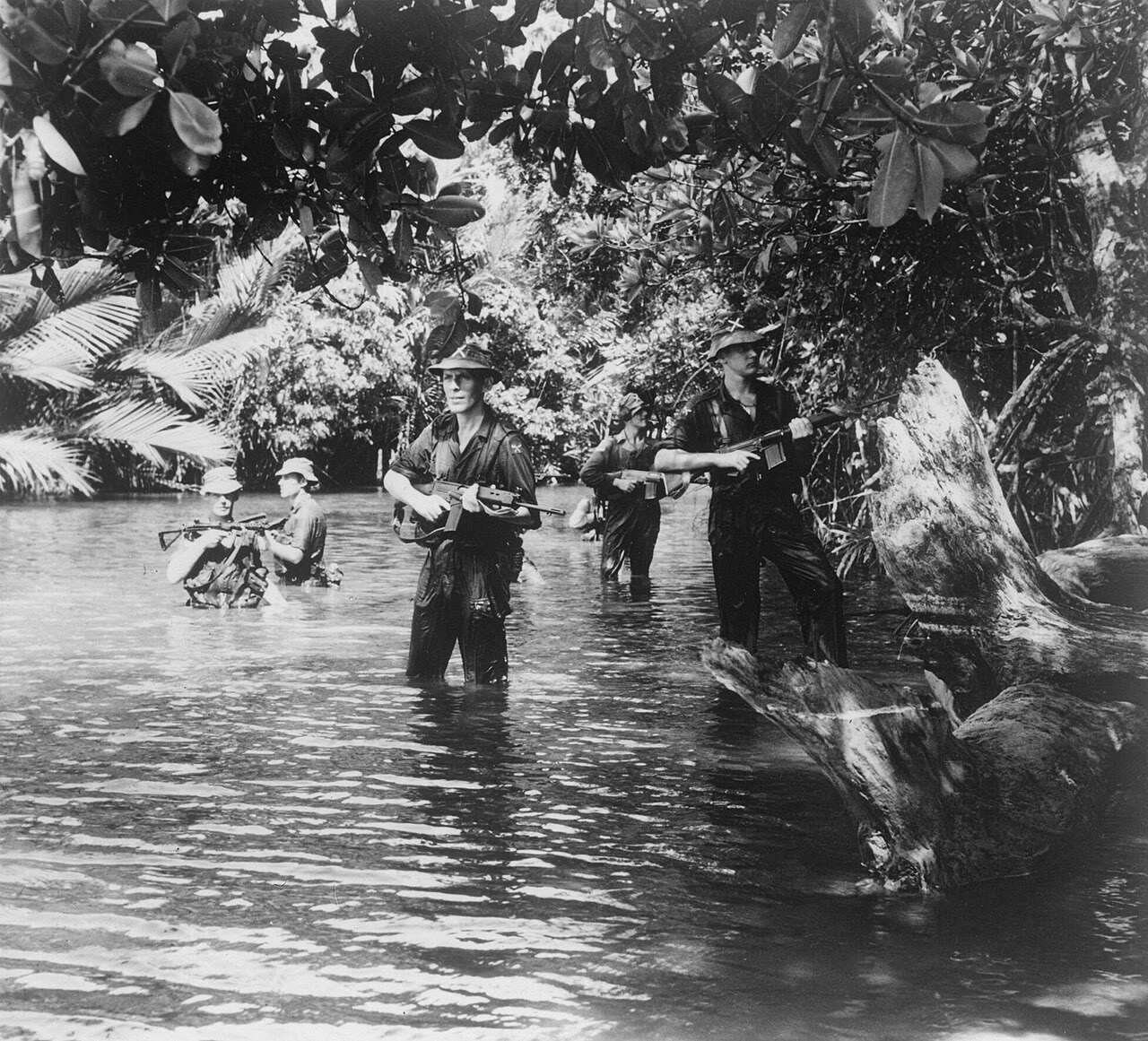
- From the region: Konfrontasi ended only in 1966, and the Vietnam War raised fears that communism would spread.
- From within: communist terrorism continued at home.
- Standing alone: Britain was withdrawing, and in 1965 Singapore had just two battalions of regular soldiers.
The Two Approaches
- Deterrence: National Service, a home-grown defence industry, and military partnerships such as the FPDA.
- Diplomacy: bilateral friendships, reconciliation with Indonesia, and membership of the UN and ASEAN.
- Together: Singapore built a credible defence while giving other countries a stake in keeping it safe.
Deterrence or Diplomacy: How Did Singapore Stay Safe?
Side 1: Deterrence Did More
- PPointDeterrence did more to keep Singapore safe, because ultimately it had to be able to defend itself.
- EEvidenceIn 1965 Singapore had just two battalions, Britain was leaving, and friends could not be counted on to fight for it. National Service built a large force quickly, reservists added a huge pool of trained men, and by the end of the 1970s Singapore had an army, an air force and a navy, kept supplied by CIS.
- EElaborationA credible force made aggression too costly to attempt and, if deterrence failed, still allowed Singapore to fight. No amount of friendship could substitute for the ability to defend itself.
- LLinkHence, on this view, deterrence was the foundation of Singapore's security.
Side 2: Diplomacy Did More
- PPointDiplomacy did more to keep Singapore safe, because a small country cannot secure its safety by force alone.
- EEvidenceSingapore's army took years to build, but just over a month after independence it was a member of the United Nations, recognised around the world. Reconciliation ended a bitter quarrel with Indonesia, and through ASEAN its neighbours cooperated rather than fought.
- EElaborationRecognition and friendship made an attack less likely in the first place, protecting Singapore during the years when its forces were still too small to deter a determined enemy.
- LLinkThus, on this view, diplomacy did more to keep Singapore safe, especially in its earliest years.
Third View: They Worked Together
- PPointDeterrence and diplomacy worked together, each strengthening the other.
- EEvidenceFriendly countries sold the SAF equipment and trained with it. The FPDA is a defence agreement, but it exists only because five countries chose to cooperate. A strong defence, in turn, made Singapore a partner worth having.
- EElaborationDiplomacy supplied the equipment, training and allies Singapore's forces needed, while a credible defence earned it respect as a partner rather than a weak state open to pressure, so the two approaches reinforced each other.
- LLinkTherefore, the most convincing judgement is that Singapore's security rested on a two-pronged approach.
How to Weigh It Up
- It depends on the measure: for standing on its own feet, deterrence mattered more; for quick recognition and peaceful neighbours, diplomacy mattered more.
- Look for links: military partnerships such as the FPDA were defence and diplomacy at the same time.
- Make a judgement: state which side you lean towards and why, using evidence, then show how the two approaches supported each other.
In One Sentence
- Deterrence gave Singapore the strength to defend itself and diplomacy gave it recognition and friends, but each reinforced the other, so its security rested on a two-pronged approach.
Think About It
- If Singapore could only have afforded one approach in 1965, which should it have chosen? Use evidence to explain.
- How did the FPDA show that deterrence and diplomacy can be part of the same thing?
- Can a small country ever be completely safe? What else, besides an army and friends abroad, might it need?