Who Shaped Early Singapore, and When Did They Live?
Who Shaped Early Singapore, and When Did They Live?
Long before 1819, Singapore was part of a trading world linking China, India and beyond, in which power belonged to whoever controlled the of Melaka. These notes set out the timeline from Singapore's rise around 1299 through its decline, revival under Johor and second decline, and the chapter's central concept: evidence. Four kinds of evidence, textual records, archaeological finds, maps and scientific data, are used to judge how connected early Singapore was.
Why it matters
This marked the start of a pattern that runs through the whole chapter: Srivijaya, based in Palembang, grew wealthy by controlling the Straits of Melaka and taxing and protecting passing ships. This showed that whoever controlled the Straits controlled the region's trade, and Singapore lies at their southern end.
Why it matters
Raids by the Chola kingdom of South India weakened Srivijaya's hold on the Straits of Melaka. As a result, the old power declined and new had room to rise, which enabled to grow into a trading centre.
Why it matters
This marked the start of Singapore as a busy trading port. Chinese ceramics and coins found at Fort Canning support this, showing that Singapura was already part of regional trade about 700 years ago, long before the British arrived in 1819.
Why it matters
As a result, Melaka became the leading port in the region and traders who once stopped at Singapura went there instead, so Singapore declined. This showed that Singapore's success depended on how well it competed with nearby ports.
Why it matters
This was significant because Vasco da Gama's voyage to India (1498) enabled Europeans to sail directly to Asia for instead of buying through middlemen. As a result, Southeast Asia's trade became part of a global contest between European powers.
Why it matters
This marked the first time a European power seized a major port in the region. As a result, the Melaka royal family fled south, which led to a new Malay kingdom, Johor, that would later rule over Singapore.
Why it matters
This was significant because Johor continued Melaka's and became the main Malay power in the south. Singapore island was part of Johor's territory, which is why the British needed the agreement of Johor's rulers to set up a here in 1819.
Why it matters
As a result of these European rivalries, local ports and kingdoms were caught in the middle, and Malay rulers had to choose sides to survive. During this period Singapore faded as a port and remained quiet until the British arrived in 1819.
Why it matters
This marked the rise of Batavia (today's Jakarta) as the centre of Dutch power in Asia, from which the Dutch tried to control the spice trade and keep rivals out. This contributed to the British need for a base of their own, a key reason they came looking for one in 1819.
Why it matters
This showed that the Dutch, with help from Johor, had become the strongest European power in the region after taking Melaka from the Portuguese. As a result, Melaka declined, because the Dutch favoured Batavia as their main port.
Why it matters
This was significant because his death ended the royal line that traced back to Sang Nila Utama, and rival groups fought over who should rule. As a result, Johor stayed divided for over a century, and in 1819 the British used a dispute over Johor's throne to win permission to set up a trading post in Singapore.
Where Singapore Sits
- The region: Singapore is part of Southeast Asia, which lies south of China and east of India.
- Two great neighbours: China and India were home to old and powerful civilisations whose trade reached across the region and beyond.
- Goods in demand: Chinese silk and ceramics were wanted as far away as Europe, while Southeast Asian spices, scented wood and shells were highly valued in China and India; this demand drove the trade that passed Singapore.
- The key waterway: ships sailing between China and India passed through the Straits of Melaka, so Singapore's fortunes were tied to whoever controlled them.
The Historian's Tool: Evidence
- Textual records: Wang Dayuan, a Chinese traveller, wrote about Singapore in 1349, which shows Chinese traders visited it in the 14th century; the Sejarah Melayu and the Suma Oriental also describe its rulers, though some texts were written centuries later.
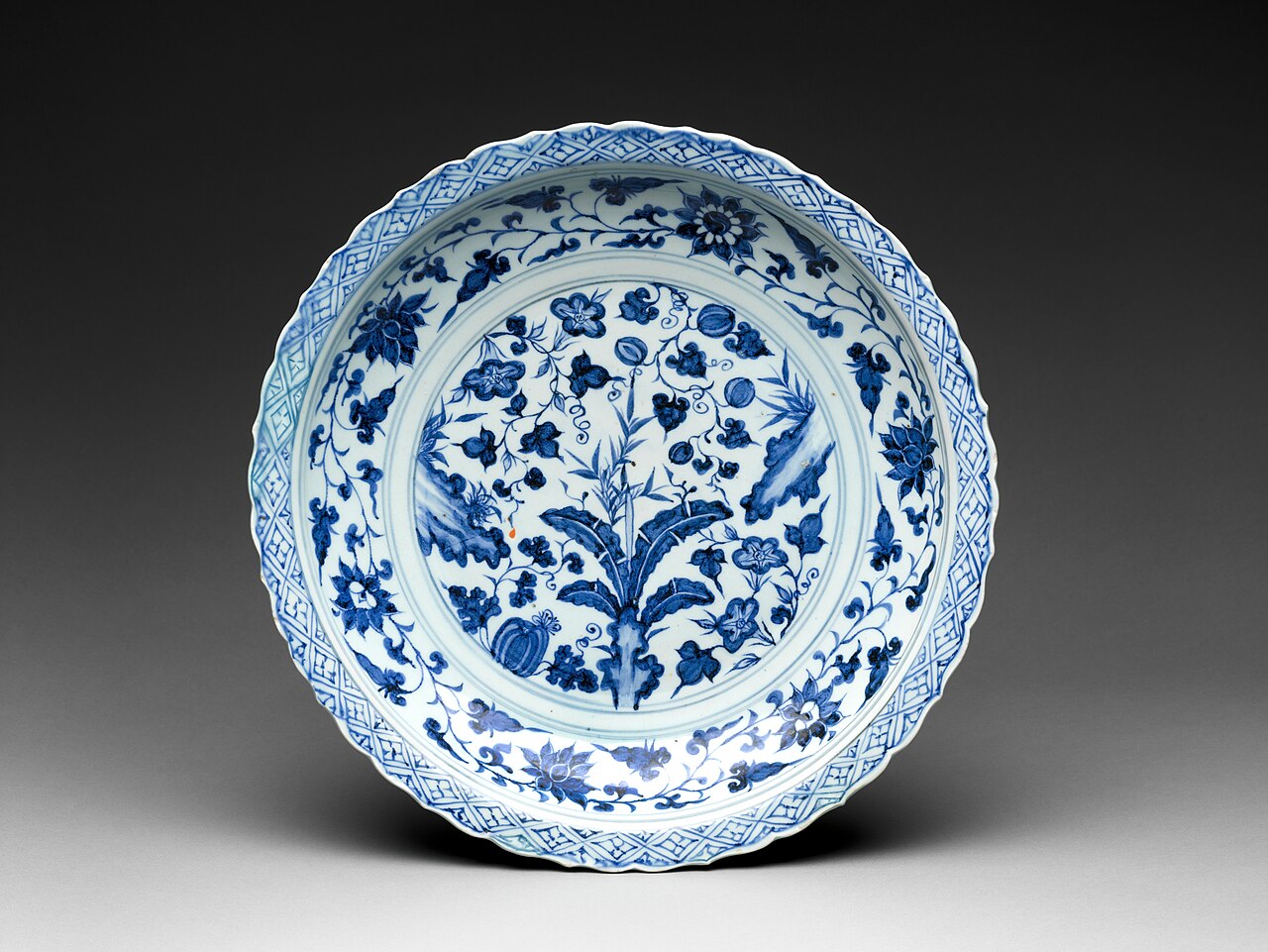
- Archaeological finds: Chinese ceramics from the 13th to 15th centuries dug up at Empress Place, near the Singapore River, and gold ornaments at Fort Canning prove that Singapore traded with China and the region.
- Maps: a 1600s map by Manuel Godinho de Erédia shows Singapore's coastline, showing that European travellers knew these waters.
- Scientific data: tree rings record changes in rainfall, such as 14th-century droughts in China, which help explain why Singapore's trade fell.
- Sources that agree: when a written record and finds in the ground tell the same story, as Wang Dayuan's account and the ceramics do, the conclusion is stronger.
- Gaps: records are few, some were written long after the events and some disagree, so historians cannot be sure exactly how strong Singapore's connections were.
The Chapter's Questions
- How did Singapore's geographical location affect its connections with the region and the world?
- Why had Singapore declined by the 15th century?
- How important was Singapore under the Johor Sultanate?
- What caused Singapore to decline again?
In One Sentence
- For centuries before 1819, Singapore's place on the Straits of Melaka connected it to trade between China, India and beyond, but its importance rose and fell with the powers around it, and gaps in the evidence mean historians cannot be sure how strong those connections were.
Think About It
- Why might the same small island be busy in one century and almost empty in another?
- Which kind of evidence would you trust most to show early Singapore was a trading port: a traveller's record, ceramics dug up, a map, or tree rings? Why?
- Many of the biggest events on the timeline happened far from Singapore. Why could they still change life here?