Why Did the Europeans Come, and How Important Was Singapore Under the Johor Sultanate?
Why Did the Europeans Come, and How Important Was Singapore Under the Johor Sultanate?
The Europeans came to Southeast Asia for three reasons: the riches of the , between European powers, and new sea routes that made the journey possible. Their arrival changed Singapore's fortunes: after Portugal took Melaka in 1511, the was set up in 1528, and Singapore revived as the gateway for Johor's trade, with a based there. These notes explain both, and weigh the evidence that Singapore was important under Johor.
Melaka Falls, Johor Rises
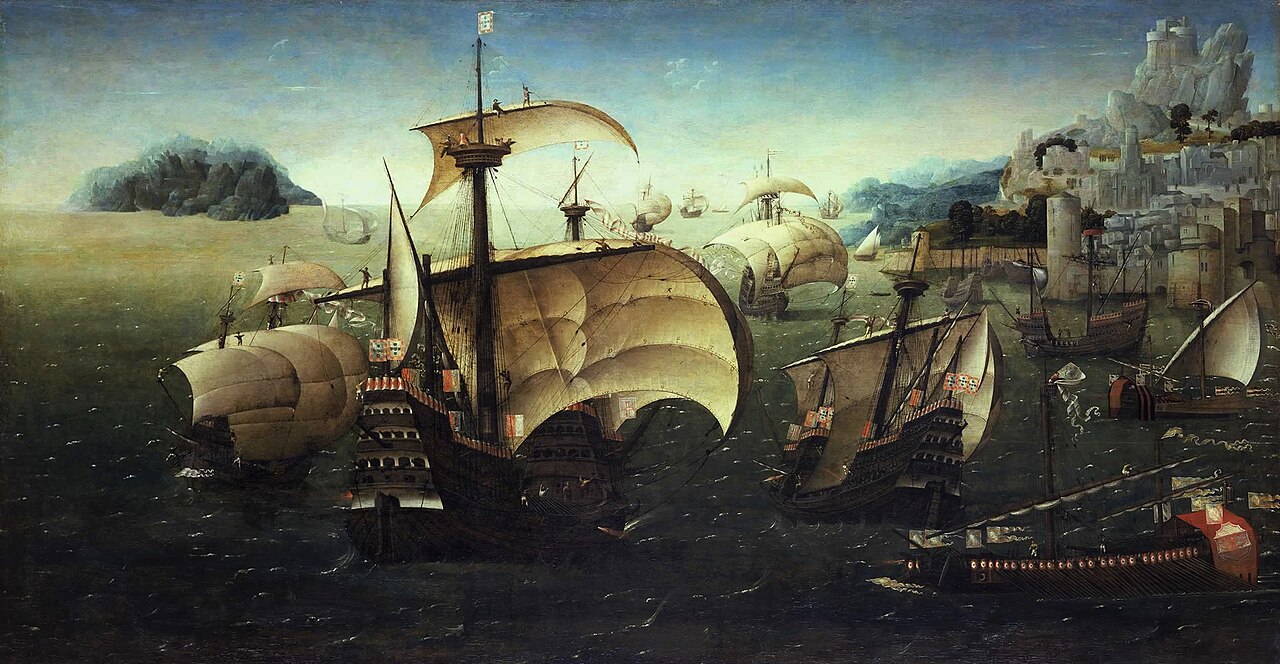
- Rivalries spread: at the start of the 16th century, religious, political and economic rivalries in Europe were growing, and new sea routes carried that competition into Asia.
- A weak Melaka: from the 16th century, the Melaka Sultanate was divided by power struggles, which left it open to attack.
- 1511: as a result, the well-armed Portuguese easily took Melaka; the Sultan fled south with loyal officials and Orang Laut warriors.
- 1528: his successor set up a new kingdom along the , the Johor Sultanate, and Singapore was part of it.
Why Did the Europeans Come, and How Important Was Singapore Under the Johor Sultanate?
Reason 1: The Spice Trade
- PPointOne reason why the Europeans came to Southeast Asia was to gain the riches of the spice trade.
- EEvidenceSpices came from Southeast Asia, and as trade with Europe grew, European fleets came to the region more and more often. Each power hoped for a : sole control over trade in one good.
- EElaborationBecause spices were found in Southeast Asia and were highly valued in Europe, whoever controlled their supply could set prices and make a fortune, so European powers had a strong incentive to sail to the source themselves.
- LLinkHence, the hope of wealth from spices was the first reason the Europeans came.
Reason 2: Rivalry in Europe
- PPointAnother reason why the Europeans came was rivalry between European powers over religion, politics and trade.
- EEvidenceSpain, Portugal and the Netherlands raced each other to Asia to tap its markets and set up trading settlements. Christian missionaries came with them; Francis Xavier sailed past Singapore in 1551.
- EElaborationEach power feared that a rival would gain Asia's trade and spread its own religion first, so competition at home pushed them to reach Asia quickly and claim its markets before anyone else.
- LLinkThus, rivalry in Europe turned into a race for Asia.
Reason 3: New Sea Routes
- PPointA third reason why the Europeans came was that new sea routes made the journey possible.
- EEvidenceChristopher Columbus sailed west, and Vasco da Gama sailed around the , at the southern tip of Africa, to India (1497). The eastern Mediterranean was controlled by the Ottoman Turks, who were often at war with the Europeans.
- EElaborationDa Gama's route avoided Ottoman-controlled waters, giving the Europeans a way to Asia that the Ottomans could not block, so they could reach the spice-producing lands directly by sea.
- LLinkTherefore, the new sea routes enabled the Europeans to act on their wish for spices and their rivalry, leading to the Portuguese capture of Melaka in 1511.
Singapore Under the Johor Sultanate
- PPointSingapore was important under the Johor Sultanate because it revived as the gateway for trade to Johor's capital.
- EEvidenceEuropean travellers such as , Manuel Godinho de Erédia and Jacques de Coutre wrote about a Shahbandar based in Singapore, and Erédia's map marks "Xabandaria" near the Singapore River. Chinese porcelain from the 17th century has been found in the Kallang River, and a 17th-century Chinese map shows a shipping route to Johor.
- EElaborationA harbour master is only needed where ships are calling, so the Shahbandar's presence shows Singapore was busy with trade again, and the porcelain and the Chinese map show goods from China passing through it on the way to Johor.
- LLinkHence, under Johor Singapore regained some of its trade and importance as the gateway for goods coming from China, through Singapore and up the Johor River.
Who Was the Shahbandar?
- The title: "Shahbandar" means "Lord of the Haven" in Persian; the job was like a harbour master today.
- His work: appointed by the Johor Sultan, he managed the harbour, looked after foreign traders and gave out trading .
- Gatekeeper: he met traders before they sailed upriver to the Sultan's capital, which made Singapore the entry point to Johor.
- On the map: a Portuguese map from the 1600s by Erédia marks "Xabandaria" near the Singapore River, showing a Shahbandar was there.
In One Sentence
- Spices, rivalry and new sea routes brought the Europeans to Asia, and after Portugal took Melaka in 1511, Singapore revived as the Johor Sultanate's gateway for trade, with its own Shahbandar.
Think About It
- The Portuguese came for spices, not for Singapore. So why did their arrival change Singapore's fortunes?
- A Shahbandar's job only exists if ships are coming. What does his presence tell historians?
- Da Gama's route went round Africa to avoid the Ottoman Turks. How can a war in one part of the world change trade routes somewhere else?