How Did Singapore's Strategic Geographical Location Allow Singapore to Become an Important Trading Port?
How Did Singapore's Strategic Geographical Location Allow Singapore to Become an Important Trading Port?
For centuries before the British arrived in 1819, Singapore was a natural stop on the between India and China. These notes explain how its geography affected its connections: its on the , the winds that made ships stop and wait nearby, and the that kept trying to control the Straits. Location made Singapore valuable, but whether it prospered depended on who controlled the region.
Sailing in the Days of Wind
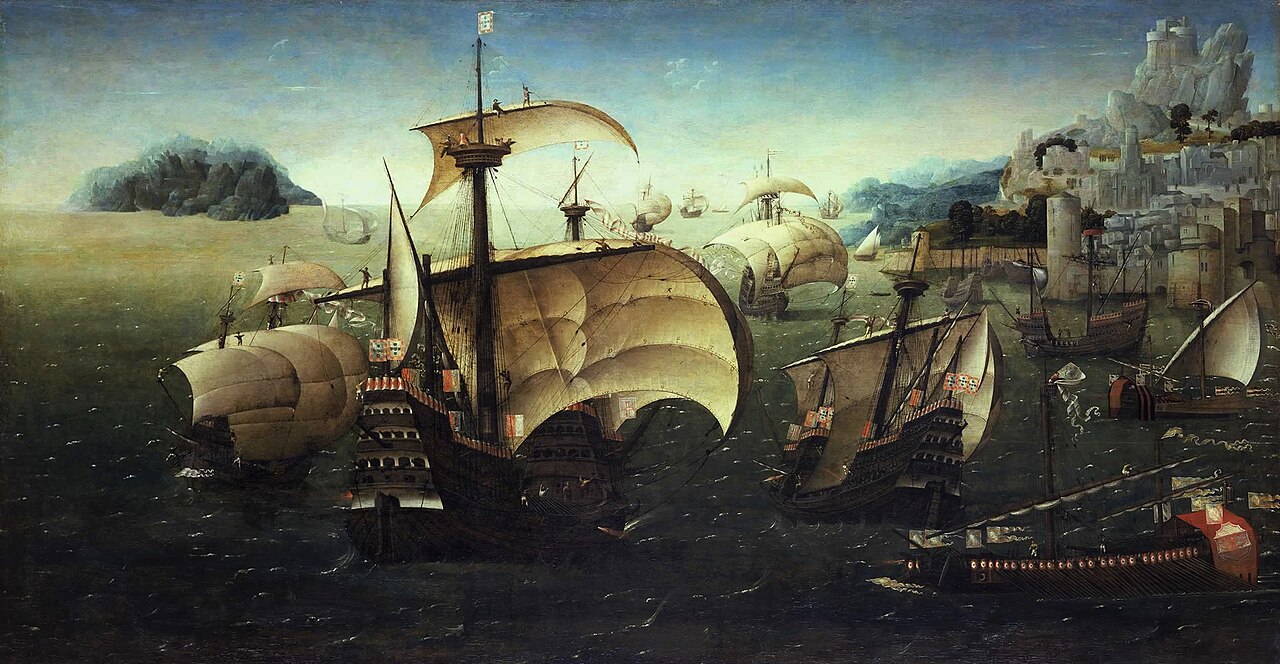
- Wind power: in the days of sailing ships, sea journeys depended almost entirely on wind patterns.
- Long voyages: travelling time also depended on weather and distance, so ships waited for good winds and weather before setting sail.
- Stops on the way: ships might stop at ports along the way to buy supplies or shelter from a storm, which gave well-placed ports business.
How Did Singapore's Strategic Geographical Location Allow Singapore to Become an Important Trading Port?
Reason 1: Strategic Location
- PPointSingapore's geographical location connected it to the region and the world because it lay on one of the busiest trade routes, the Straits of Melaka.
- EEvidenceSingapore lies off the southern tip of the , at the southern entrance to the Straits of Melaka, midway between India and China and close to the . Routes through the islands further east took longer.
- EElaborationBecause the Straits were the quickest route between China and India, ships using them needed fewer supplies such as food and water and faced less risk of pirates and accidents, so most traffic between the two passed right by Singapore.
- LLinkHence, location alone drew Singapore into the regional and world trade network.
Reason 2: Monsoon Winds
- PPointSingapore's location also connected it to trade because the monsoon winds made ships stop and wait in the region.
- EEvidenceThe blew from June to September, and the blew from December to March. Ships leaving China sailed on the Northeast Monsoon, while ships heading to China from the Indian Ocean sailed on the Southwest Monsoon.
- EElaborationSince ships could only cross in the direction the wind was blowing, traders often had to wait for the winds to change before continuing, and while they waited they bought supplies and traded at ports near the Straits.
- LLinkThus, the monsoons turned a passing shipping lane into steady local trade for Singapore.
Reason 3: Foreign Powers
- PPointSingapore's location also connected it to the wider world because it drew in foreign powers that wanted to control the Straits of Melaka.
- EEvidenceIn different periods, the Chinese, Portuguese, Dutch, British and Japanese each tried to control the Straits of Melaka, to keep the sea routes between the South China Sea and the Indian Ocean safe for their ships.
- EElaborationWhoever controlled the Straits could move ships quickly and safely within and beyond Asia, so every power that wanted that trade also wanted the Straits and the islands at their entrance, including Singapore, and their decisions decided where trade went.
- LLinkTherefore, Singapore's location made it valuable, but its importance depended on which power controlled the Straits and where that power sent trade, which explains why it rose and declined over the centuries.
In One Sentence
- Singapore's place on the Straits of Melaka, the monsoon winds that made ships wait nearby, and the foreign powers that fought over the Straits made it a natural stop on the route between India and China, though location alone was not enough to keep it important.
Think About It
- Why would traders wait weeks for the monsoon to change rather than sail another way?
- Is location alone enough to make a port successful? What else does a port need?
- Many powers wanted to control the Straits of Melaka. Why is controlling a narrow sea passage so valuable?