Why Had Singapore Declined by the 15th Century, and What Was Melaka's Role in This?
Why Had Singapore Declined by the 15th Century, and What Was Melaka's Role in This?
By the 15th century, Singapore had lost its place as a leading port to Melaka. These notes explain three reasons: Melaka's advantages drew trade away, attacks by and weakened Singapore, and climate and economic changes in China cut its trade. Yet Singapore was not forgotten: it stayed important to the as home of the , the backbone of Melaka's navy. Two conflicting accounts of show why historians must compare sources.
The Founding of Melaka
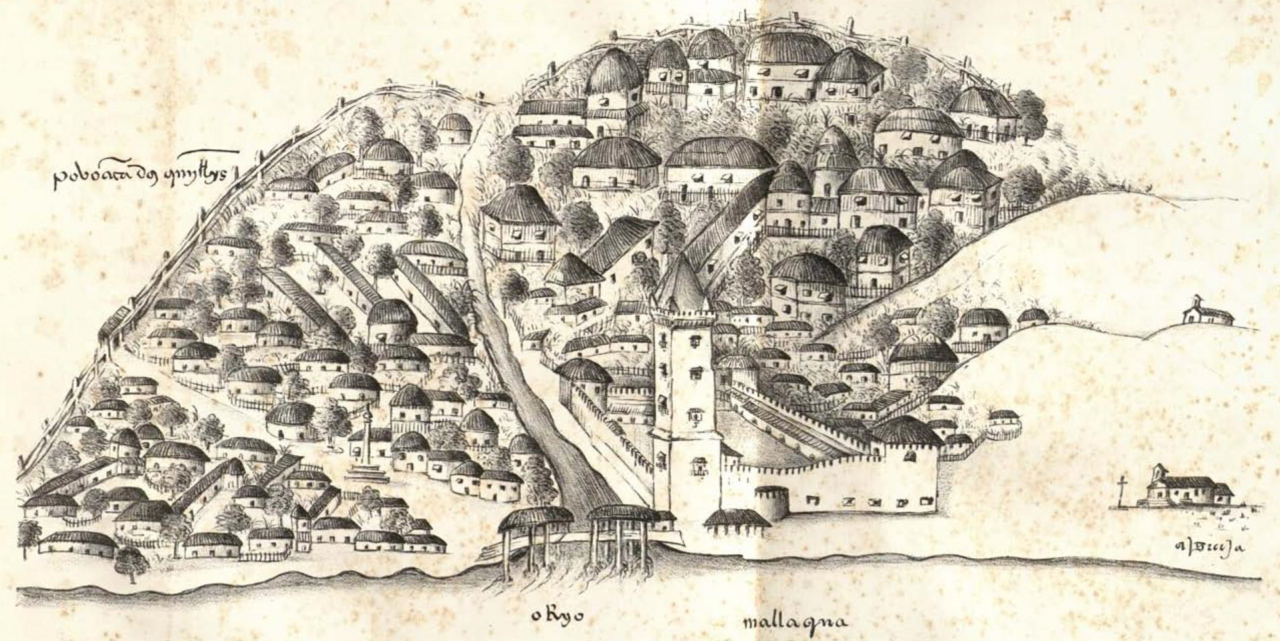
- Decline begins: by the middle of the 14th century, Singapore had started to decline, and it would soon be overshadowed by a new port to its north.
- Parameswara: a prince from Palembang, he overthrew the ruler of Temasek; facing an invasion by Temasek's allies, he fled north into the Malay Peninsula.
- The mousedeer: while resting under a tree, he saw a small mousedeer bravely fight off his hunting dogs, and took it as a sign to build a city there.
- The name: the tree was a Melaka tree, so the new city, founded around 1400, was called Melaka.
Why Had Singapore Declined by the 15th Century, and What Was Melaka's Role in This?
Reason 1: The Rise of Melaka
- PPointOne reason why Singapore had declined by the 15th century was the rise of Melaka, which became more attractive to traders.
- EEvidenceMelaka, founded around 1400 by Parameswara, had a harbour that was safe for traders on long voyages. Parameswara made Melaka a of , paying tribute in return for protection. He converted to Islam and married a Muslim princess from Sumatra, which attracted .
- EElaborationA safe harbour, the protection of the most powerful state in Asia and the chance to trade with fellow Muslims gave traders strong reasons to choose Melaka, so ships that once stopped at Singapore stopped at Melaka instead.
- LLinkHence, Melaka's advantages drew trade away from Singapore, leaving it overshadowed.
Reason 2: External Threats
- PPointAnother reason why Singapore had declined was that, as a small island, it was open to attacks by bigger powers.
- EEvidenceThe kingdoms of Majapahit (in Java) and Ayutthaya (in Thailand) both launched attacks on Temasek. By the end of the 14th century, Singapore had been weakened.
- EElaborationRepeated attacks made Singapore unsafe for merchants and their goods, so traders chose safer ports instead, which reduced the trade on which the island depended.
- LLinkThus, Singapore was already weakened when Melaka rose, making it easier for Melaka to take its place.
Reason 3: Climate and Economic Changes
- PPointA third reason why Singapore had declined was that climate and economic changes in China cut its trade.
- EEvidenceScientific evidence shows that weather patterns changed severely in the 14th century. This led to droughts and famines in China, and China's economy collapsed.
- EElaborationChina was one of Singapore's major trade partners, so when China's economy collapsed, it bought and sold less, trade between Southeast Asia and China suffered, and Singapore lost much of its business.
- LLinkTherefore, one of Singapore's biggest sources of wealth dried up, adding to its decline.
Two Accounts of Parameswara
- Account 1, the Sejarah Melayu: King Iskandar Shah (Parameswara) had a minister's daughter executed after she was falsely accused; the angry minister asked Majapahit for help, Majapahit's forces took Singapore, and the king fled to Muar in Johor.
- Account 2, the Suma Oriental: a Portuguese traveller wrote in the early 1500s that Parameswara killed the King of Singapore and took over; the King of , the dead king's father-in-law, attacked, and Parameswara fled up the Muar River with about a thousand men.
- Why both matter: the accounts disagree on who attacked and why, so reading only one would give an incomplete picture; comparing sources shows the gaps in what we know.
Still Important: The Orang Laut
- Overshadowed: Singapore stopped being a centre of trade linking the Indian Ocean and the South China Sea.
- Who they were: "Orang Laut" means "people of the sea"; they lived on houseboats and moved from place to place to find good fishing grounds.
- Significance: the Orang Laut were the backbone of Melaka's navy, so Singapore, their home, stayed important to the Melaka Sultanate even after it lost its trade.
In One Sentence
- Singapore had declined by the 15th century because Melaka offered traders more, attacks weakened the island, and China's troubles cut its trade, yet it stayed important to Melaka as home of the Orang Laut who served its navy.
Think About It
- The two accounts disagree about why Parameswara left Singapore. Why might two writers tell the same event so differently?
- Which reason do you think hurt Singapore most: Melaka's rise, the attacks, or China's troubles? Explain.
- Singapore lost its trade to Melaka but kept the Orang Laut. Why would a powerful port still need people from a small island nearby?