To What Extent Did People's Lives Change After Independence?
To What Extent Did People's Lives Change After Independence?
This video answers the chapter's question: to what extent did people's lives after independence? Using change and , these notes weigh three views: lives were transformed, there was significant continuity, and change came at different speeds. The : lives changed to a great extent, but not totally.
Change and Continuity
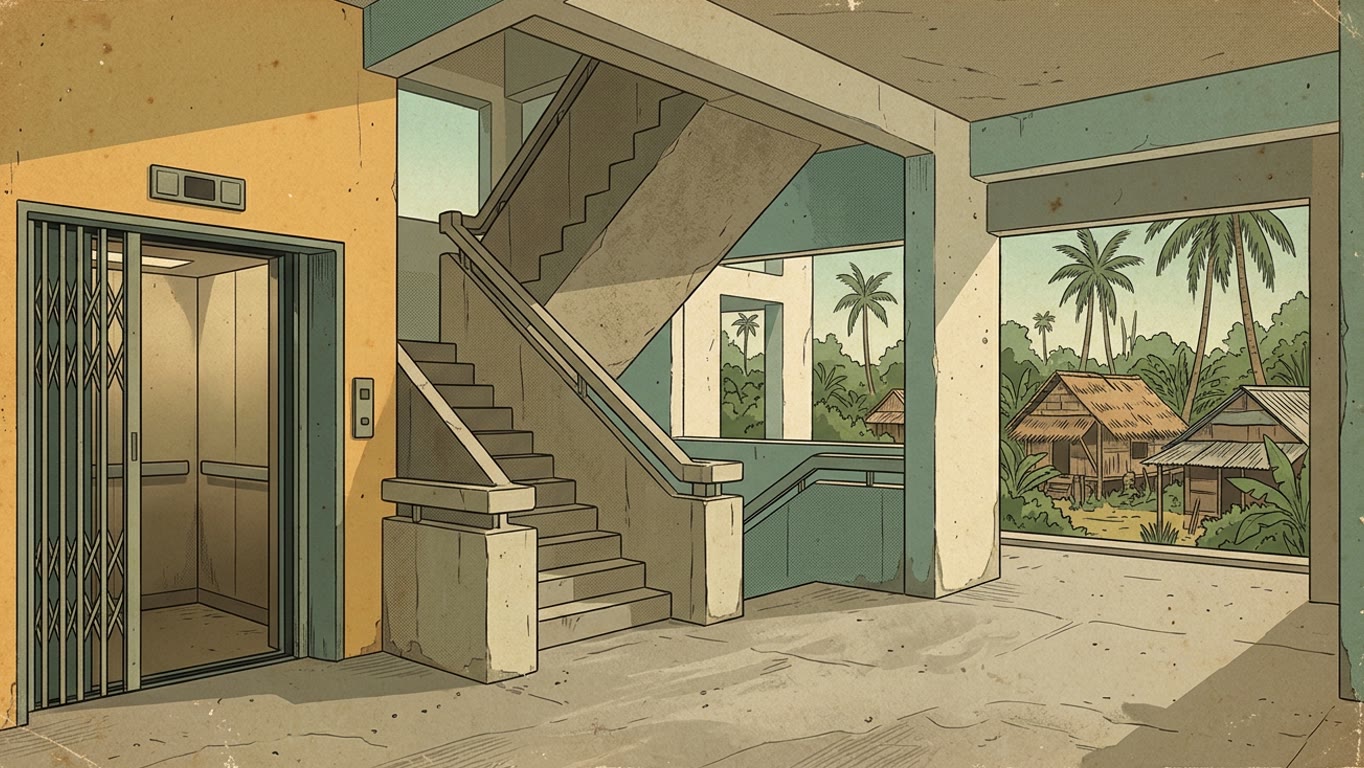
- Change: what became different over time.
- Continuity: what stayed the same or carried on.
- Both at once: some changes after 9 August 1965 had begun before independence and carried on afterwards.
- How far: historians weigh what changed against what continued, then judge the extent of transformation.
To What Extent Did People's Lives Change After Independence?
Side 1: Lives Were Transformed
- PPointPeople's lives were transformed to a great extent after independence.
- EEvidenceAlmost 150,000 jobs were created between 1967 and 1973 and unemployment disappeared; by 1976 over half the population lived in HDB flats, many with running water, electricity and a toilet of their own for the first time; infant mortality fell from 27.3 to 11.8 per 1,000 births; and citizenship, the Pledge and home ownership strengthened identity.
- EElaborationThese changes reached almost every family and altered how people lived, worked and saw themselves within about fifteen years, so they were far more than minor improvements.
- LLinkHence, on this view, lives changed to a great extent.
Side 2: Some Things Stayed the Same
- PPointThere was also significant continuity, as many changes built on what came before 1965 and some problems remained.
- EEvidenceThe HDB began in 1960, the EDB in 1961, and the flag and "Majulah Singapura" in 1959, while school building and bilingualism also predated independence. The government kept attracting MNCs as before, the 1973 oil crisis raised the cost of living, and in 1979 prejudice against women at work still had to be tackled.
- EElaborationIndependence accelerated existing policies rather than starting afresh, and Singapore's dependence on the world economy remained, so not everything changed.
- LLinkThus, continuity limited how far independence alone transformed people's lives.
Third View: Change Came at Different Speeds
- PPointChange came at different speeds and was experienced differently by different people.
- EEvidenceThe first 100,000 telephones took 85 years to install, but the next 100,000 took five. Yet many families could not afford a flat until CPF savings could be used from 1968, some missed the carefree kampong life, and some historians point to losses such as village community life, traditional jobs like fishing, and older heritage.
- EElaborationBecause the pace and impact of change varied between groups, some gained quickly while others adjusted slowly or lost valued ways of life, so the transformation was uneven.
- LLinkTherefore, lives changed greatly, but unevenly.
Making a Judgement
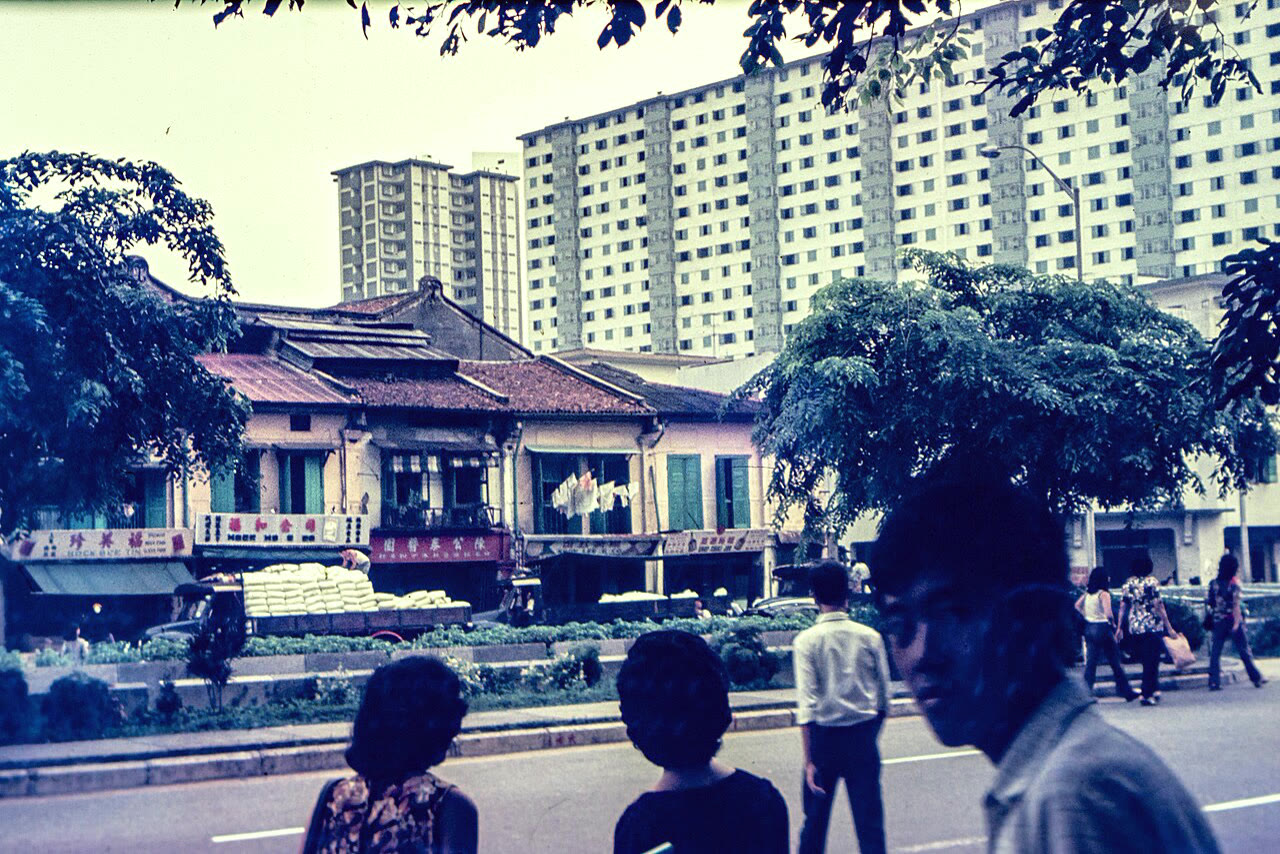
- Area by area: for the economy, national identity, housing, education and public health, ask what changed and what stayed the same.
- An example: in the economy, tens of thousands of jobs raised living standards, but the strategy of attracting MNCs continued and the oil crisis raised the cost of living.
- A scale: place your judgement between no transformation and total transformation.
- A balanced answer: lives changed to a great extent, but not totally, and not at the same speed for everyone.
In One Sentence
- After independence, people's lives changed to a great extent in jobs, homes, health and identity, but many changes built on earlier foundations and reached people at different speeds.
Think About It
- Of the five areas (economy, national identity, housing, education and public health), which do you think changed people's lives the most, and why?
- Many changes, like the HDB and the State Flag, began before 1965. Does that make independence less important as a turning point? Explain your view.
- Some people missed kampong life even as their homes got better. How should historians count what was lost when they judge how far lives improved?