How Did Singapore House Its People?
How Did Singapore House Its People?
Rapid post-war population growth left Singapore with a severe shortage of affordable housing, and many families lived in crowded kampongs and shophouses without running water, toilets or electricity. These notes explain three ways Singapore housed its people: building flats quickly, enabling families to own their homes, and planning whole towns, and why not everyone welcomed the move.
The Housing Problem
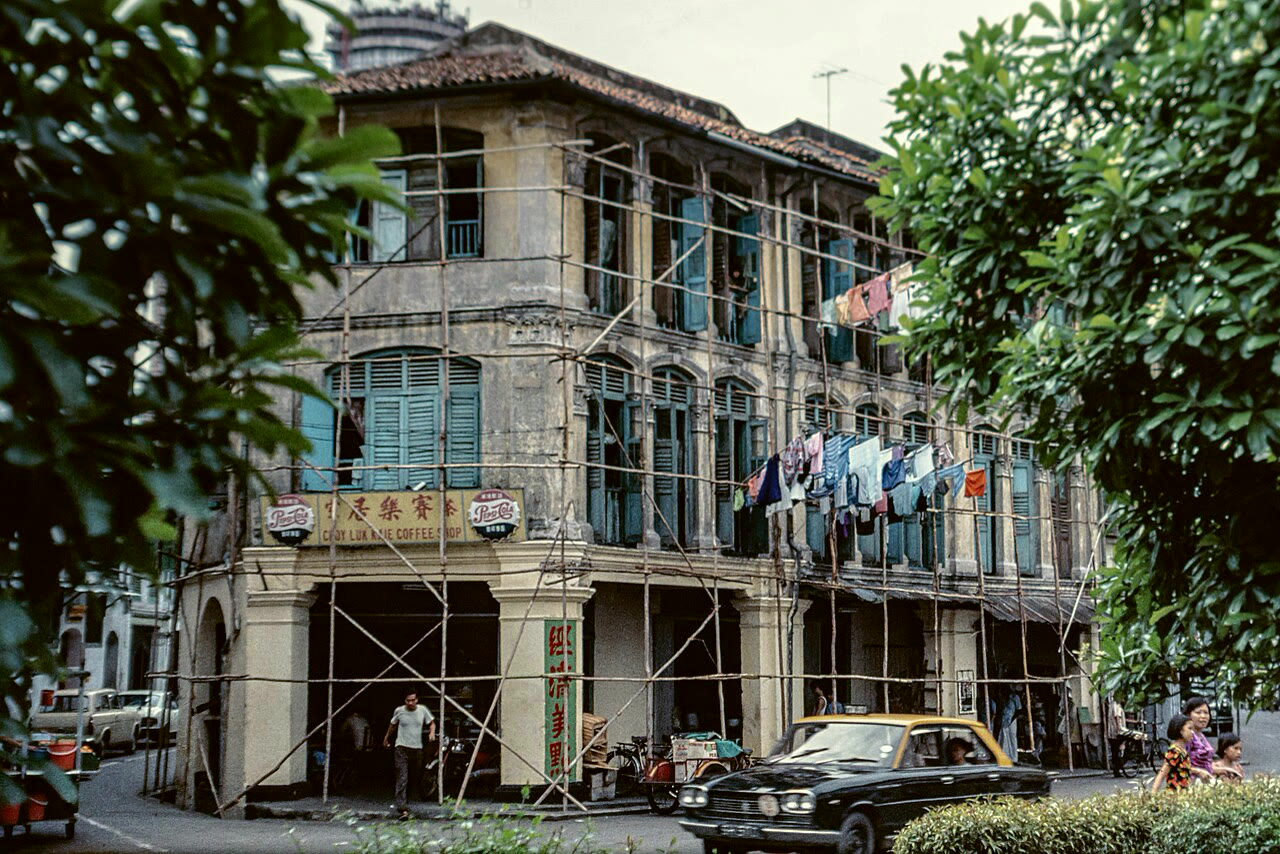
- A housing shortage: the population grew quickly after the war, far outstripping the supply of affordable homes.
- Poor conditions: many families lived in unhygienic, overcrowded kampongs and shophouses, often without running water, flush toilets or electricity.
- Too slow: the colonial Singapore Improvement Trust () built only about one new flat a year for every 150 families.
- Urgent action: the government had to improve living conditions quickly.
How Did Singapore House Its People?
Way 1: Build Fast
- PPointSingapore housed its people by building public flats quickly and affordably.
- EEvidenceThe Housing & Development Board (HDB), set up in 1960 under its first Chairman, Lim Kim San, built more flats by the end of 1962 than the SIT had in its whole history, and 54,000 by 1965, enough for a quarter of the population. After the Bukit Ho Swee fire of May 1961 left about 16,000 people homeless, all were rehoused within a year. From 1966, the Land Acquisition Act let the government acquire land for public housing.
- EElaborationBuilding at speed eased overcrowding and, for most residents, brought electricity, clean water and a toilet of their own for the first time, while rehousing the fire victims so quickly won public confidence; the power to acquire land kept costs down.
- LLinkHence, building fast tackled the housing shortage and transformed living conditions.
Way 2: Help People Own Homes
- PPointSingapore housed its people by helping families own their homes.
- EEvidenceAt first HDB flats could only be rented, but Prime Minister Lee Kuan Yew believed ownership would give people a greater sense of belonging, so the HDB launched its home ownership scheme in 1964. From 1968, families could use their Central Provident Fund () savings to buy flats, and by the mid-1970s over 40,000 families owned their homes.
- EElaborationAllowing CPF savings to be used made flats affordable for ordinary families, and owning a home gave them a financial stake in Singapore's stability, strengthening their commitment to the nation.
- LLinkThus, home ownership linked better housing to a stronger sense of belonging.
Way 3: Build Whole Towns
- PPointSingapore housed its people by planning whole towns with the they needed.
- EEvidenceThe HDB built bigger flats and added markets, hawker centres, shops, clinics and schools. Toa Payoh, the first town built entirely by the HDB, grouped neighbourhoods around a town centre. By 1976 over half the population lived in HDB flats, and flats with three or more rooms rose from 40% of the total in 1966 to 55% in 1977.
- EElaborationPlanning complete towns placed daily needs close to home and fostered community life, while larger flats matched rising incomes, so public housing became a better way of life rather than mere shelter.
- LLinkTherefore, the HDB built neighbourhoods as well as homes.
Not Everyone Was Happy
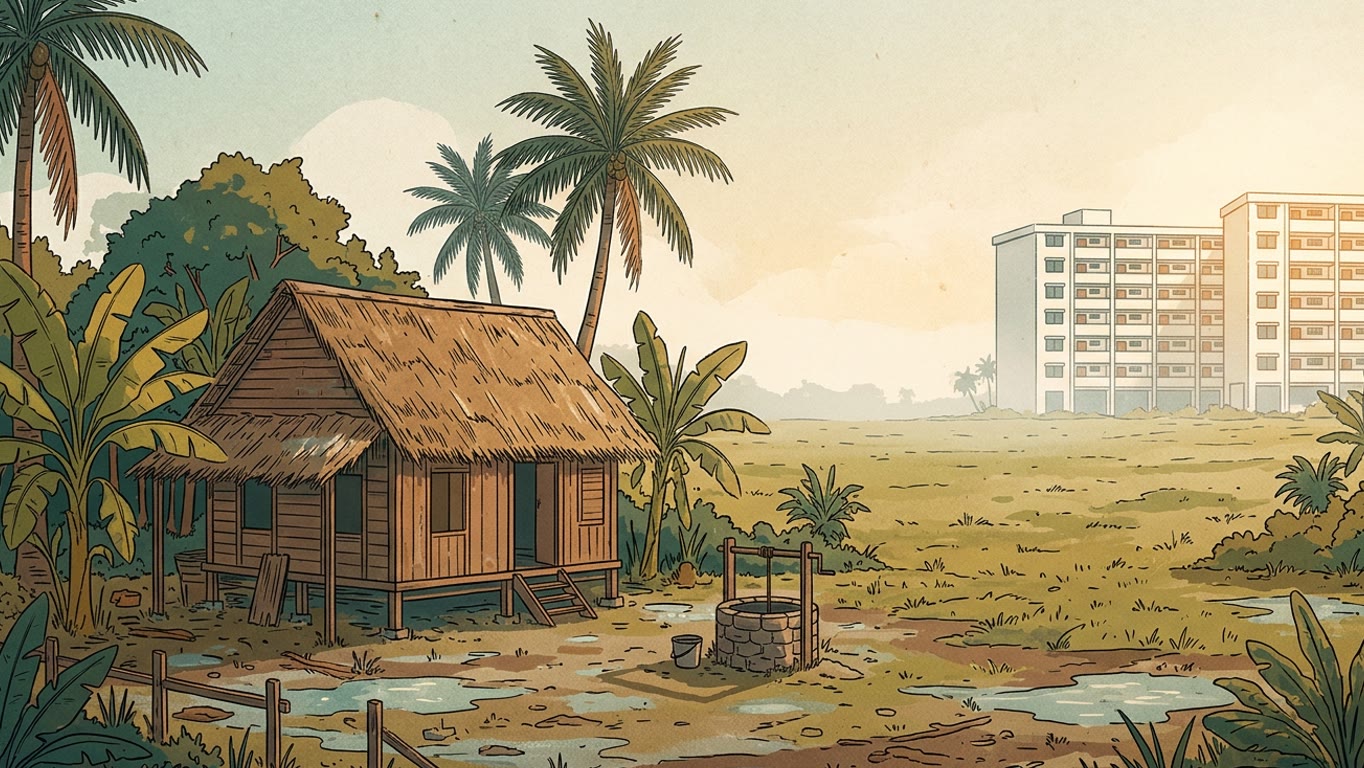
- A great improvement: one man who moved to a high-rise flat in Toa Payoh in 1970 remembered fresh air, clean surroundings and no more floods or bucket toilets.
- Hard to adjust: a 1971 newspaper article reported that some families struggled with the new way of living.
- Missing home: some had lived in their old houses since childhood and did not want to leave.
- Mixed feelings: some feared the lifts, and many missed the close community of kampong life.
In One Sentence
- The HDB built flats fast, helped families buy them with CPF savings and planned whole towns such as Toa Payoh, so by 1976 over half the population lived in HDB flats, though not everyone welcomed the change.
Think About It
- Prime Minister Lee believed owning a home would make people feel they belonged. Why might owning something make you care more about a place?
- The HDB rehoused all 16,000 Bukit Ho Swee fire victims in less than a year. What might people have thought of the new government after seeing that?
- Some families loved their new flats while others missed kampong life. Can a change be good overall and still feel like a loss to some people? Explain.