How Did Singapore Build Its Foundations and Survive the Oil Crisis?
How Did Singapore Build Its Foundations and Survive the Oil Crisis?
Factories depend on the beneath them. These notes explain three ways Singapore secured its growth: connecting the island to the world by telephone, sea, air and land, providing reliable utilities and finance, and weathering the 1973 oil crisis. The crisis also exposed a lasting truth: Singapore's success was tied to the world economy, leaving it .
Why Foundations Mattered
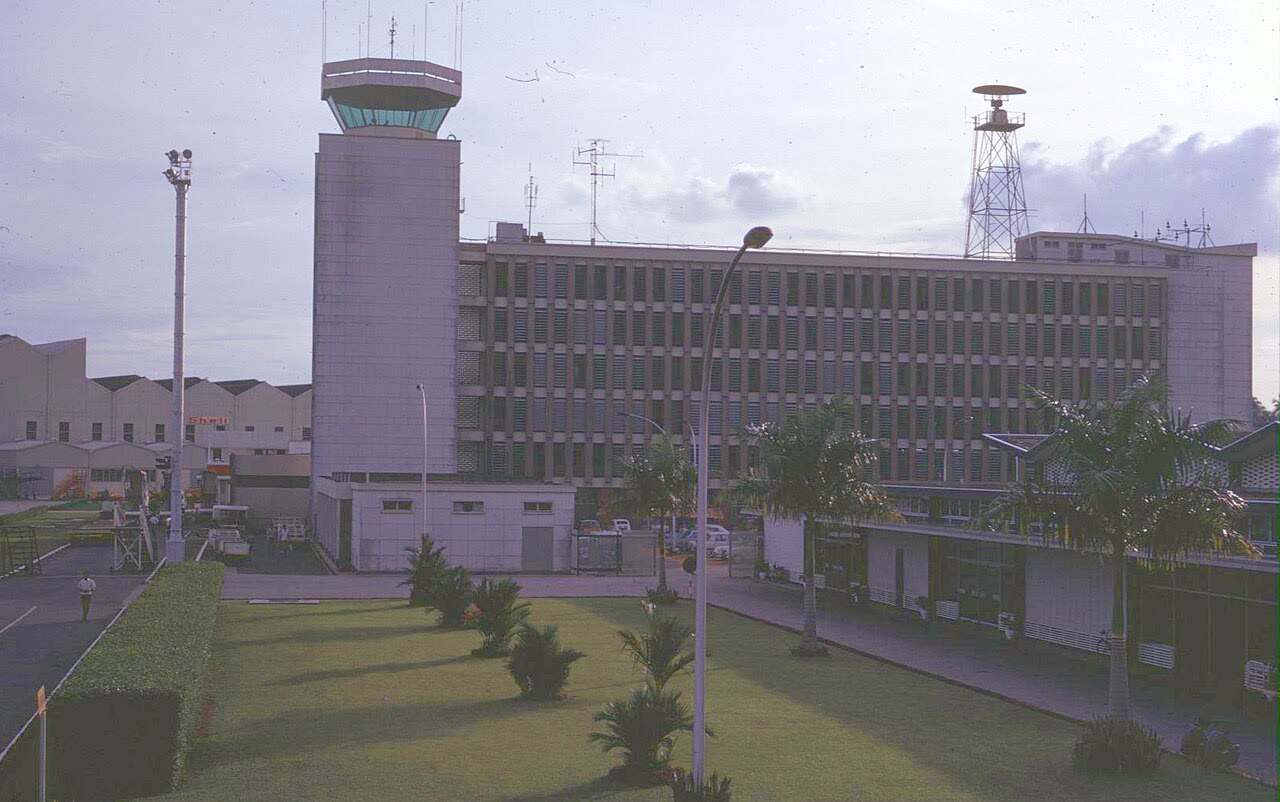
- Infrastructure: the basic systems a country needs, such as roads, ports, power and telephones.
- Why build it: good infrastructure attracted MNCs and investors and helped factories grow.
- Faster change: the first 100,000 telephones took 85 years to install, but the network doubled to 200,000 between 1967 and 1972.
How Did Singapore Build Its Foundations and Survive the Oil Crisis?
Way 1: Connecting Singapore
- PPointSingapore secured its growth by building infrastructure that connected it to the world.
- EEvidenceThe telephone network doubled in five years. The Port of Singapore Authority, formed in 1964, opened new facilities at Jurong, Sembawang, Tanjong Pagar and Pasir Panjang. Paya Lebar Airport was expanded and, in 1975, the government decided to build Changi Airport, which opened in 1981; new roads and expressways linked factories and homes.
- EElaborationEfficient communications and transport cut the time and cost of moving goods and information, so investors could operate easily in Singapore and its factories could reach world markets.
- LLinkHence, connecting Singapore made it far more attractive to foreign investors.
Way 2: Powering and Paying for Industry
- PPointSingapore secured its growth by providing reliable utilities and finance for industry.
- EEvidenceThe Board (PUB), set up in 1963, supplied water, electricity and gas to industries and homes and continued its work after independence. The Development Bank of Singapore (DBS) was set up in 1968 to finance industrialisation, foreign banks opened offices, and the Asian Dollar Market, launched in 1968, helped make Singapore a financial centre.
- EElaborationReliable power and water kept factories running, while banks supplied the capital to start and expand businesses. The PUB's continuity from before 1965 shows how change built on earlier foundations.
- LLinkThus, reliable utilities and finance sustained Singapore's industrial growth.
Way 3: Riding Out the Oil Crisis
- PPointSingapore weathered the 1973 oil crisis by acting quickly to help people cope.
- EEvidenceIn late 1973, a conflict in the Middle East caused a worldwide oil shortage and prices rose almost fourfold in under three months. Singapore imported all its oil, so prices rose rapidly; guided by the National Wages Council, set up in 1972, the government took the lead in raising wages.
- EElaborationHigher wages helped families keep pace with and preserved stability, so the economy recovered by 1976. Yet the crisis showed that Singapore's growth depended on events far beyond its control.
- LLinkTherefore, Singapore survived the oil crisis, but it remained vulnerable to the world economy.
How the Oil Crisis Spread
- Global oil prices rose.
- Petrol and electricity prices in Singapore went up.
- This raised the cost of making and transporting goods, and public transport fares rose too.
- The prices of goods rose, so the cost of living went up for families.
- Higher prices reduced demand for Singapore's exports, so growth slowed sharply before recovering.
In One Sentence
- Singapore built the telephones, ports, airports, roads, utilities and banks its factories needed and weathered the 1973 oil crisis, but learned that it remained vulnerable to the world economy.
Think About It
- A conflict thousands of kilometres away raised bus fares in Singapore. What does that tell you about how connected Singapore's economy was to the world?
- Why do you think the government raised workers' wages during the oil crisis, even though businesses were already paying more for oil?
- Which do you think did more to attract foreign companies: good ports and airports, or reliable power and banks? Explain your choice.