How Did Singapore Build a National Identity?
How Did Singapore Build a National Identity?
Singapore's people came from many ethnic, language and religious backgrounds, and few saw themselves as Singaporean. After independence, uniting them became essential to the new nation's survival. These notes explain three ways Singapore built a : a distinct , national symbols, and the National Pledge in schools.
The Need for a Singaporean Identity
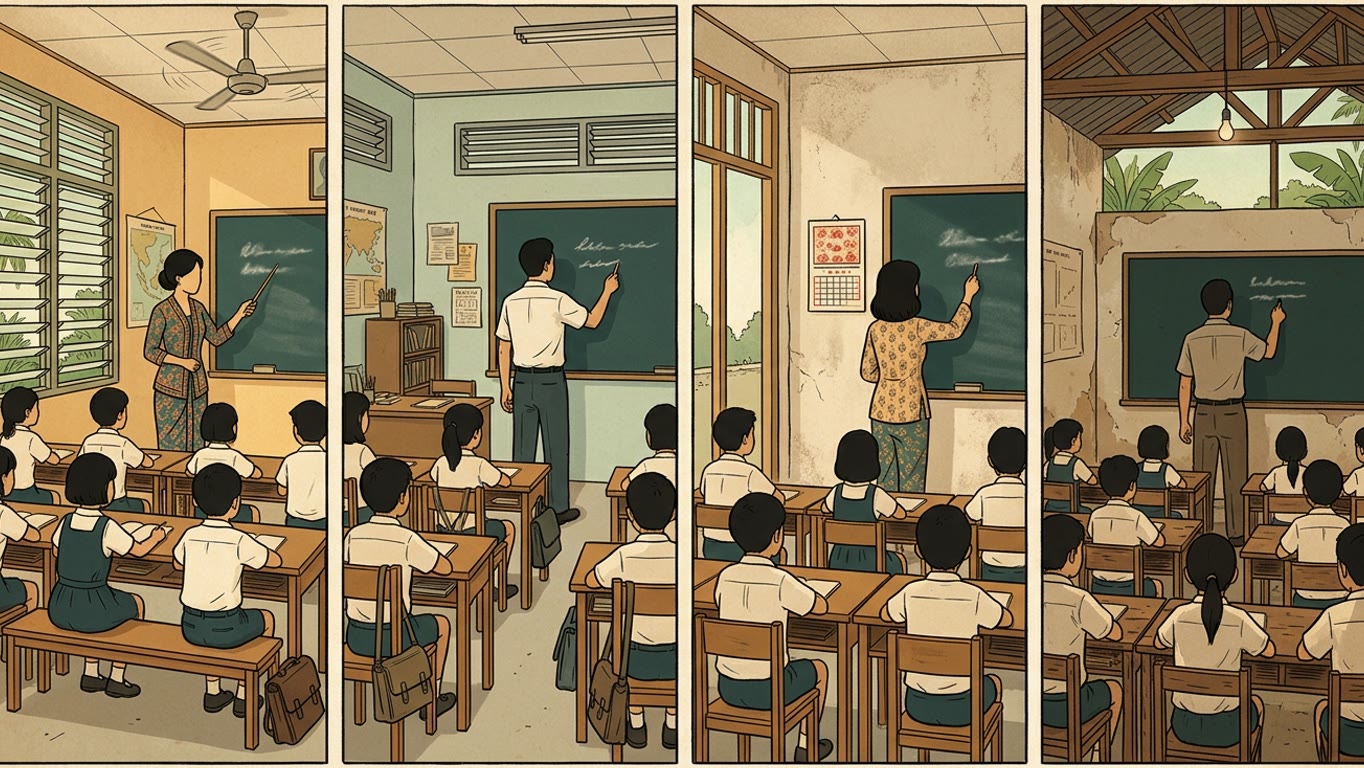
- Divided loyalties: people from diverse backgrounds tended to keep to their own communities and rarely saw themselves as Singaporean.
- Separate schools: most students learned in their own language, so few mixed with other communities.
- No shared struggle: Singapore had not gone through a long, shared fight for independence that could unite its people.
- After 1965: independence made building a sense of belonging even more urgent.
How Did Singapore Build a National Identity?
Way 1: A Citizenship of Our Own
- PPointSingapore built a national identity by creating a distinct citizenship.
- EEvidenceSingapore citizenship began in 1957, and during merger citizens were also Malaysian citizens. After 1965, they could not hold Malaysian citizenship or cross the border without a passport. From 5 May 1966, everyone over twelve had to register, and citizens received a pink identity card.
- EElaborationThe identity card was visible proof of belonging and came with rights such as voting and priority for jobs, education and healthcare, giving people a tangible stake in being Singaporean.
- LLinkHence, citizenship gave people something concrete to belong to.
Way 2: Symbols for a Nation
- PPointSingapore built a national identity through national symbols.
- EEvidenceIn 1959, Deputy Prime Minister Dr Toh Chin Chye coordinated the creation of the State Flag and State Crest and the adoption of "Majulah Singapura". During merger Singapore used Malaysia's anthem, "Negaraku", but at independence the State Flag became the National Flag and "Majulah Singapura" the National Anthem.
- EElaborationShared symbols, displayed at national events and in every school, gave people of all races common emblems to identify with, while their continuity from 1959 linked the new nation to the earlier achievement of self-government.
- LLinkThus, the national symbols became a focus of loyalty for all Singaporeans.
Way 3: The Pledge in Schools
- PPointSingapore built a national identity by instilling loyalty through the National Pledge in schools.
- EEvidenceIn October 1965 the Ministry of Education proposed a pledge, backed by Education Minister Ong Pang Boon, and Foreign Minister S. Rajaratnam revised it to stress bridging the divide between races. Introduced in 1966 in all four official languages, it was recited at daily flag ceremonies in schools from August 1966.
- EElaborationReciting the Pledge and singing the anthem every day built habits of loyalty from a young age, and its emphasis on unity across races spoke directly to a divided society, even if some students took it lightly at first.
- LLinkTherefore, the Pledge used schools to build a shared identity over time.
Who Was Dr Toh Chin Chye?
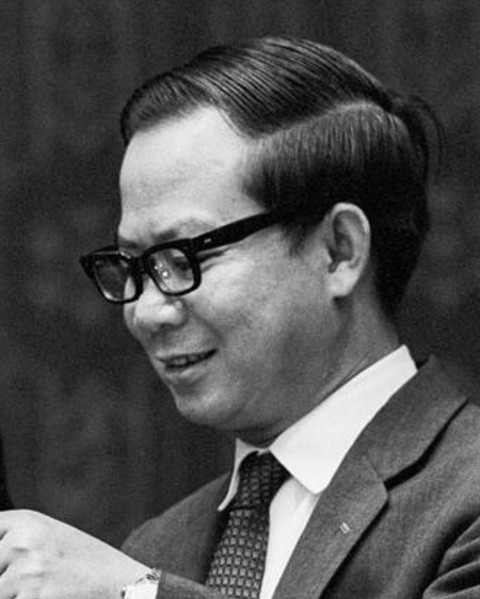
- Early life: born in Perak, Malaya, in 1921; the injustices of colonial rule and the Occupation drew him into politics.
- The PAP: he became the party's founding Chairman after returning to Singapore with a doctorate in Physiology.
- In government: as Deputy Prime Minister (1959–68), he played a key role in shaping Singapore's identity.
- Reinforcing belonging: from 1969, the National Cadet Corps in schools, alongside National Service, gave young people shared experiences of serving the nation.
In One Sentence
- Singapore built a national identity through a distinct citizenship and identity card, national symbols, and the daily Pledge in schools.
Think About It
- Can saying a pledge every day really make someone feel they belong? What else might be needed?
- Why do you think S. Rajaratnam wanted the Pledge to stress bridging the divide between the races?
- The flag and anthem were created in 1959 but became national symbols in 1965. Is this an example of change, continuity or both? Explain.