Why Was Singapore's Economy in Trouble in 1965?
Why Was Singapore's Economy in Trouble in 1965?
Separation in 1965 left Singapore's economy in serious trouble, as many of the benefits expected from merger never materialised. These notes explain three reasons: trade with Malaysia shrank, there were too few jobs for a fast-growing population, and the traditional lifelines of the and the British bases were fading. The government's response was to the economy.
A New Country on Its Own
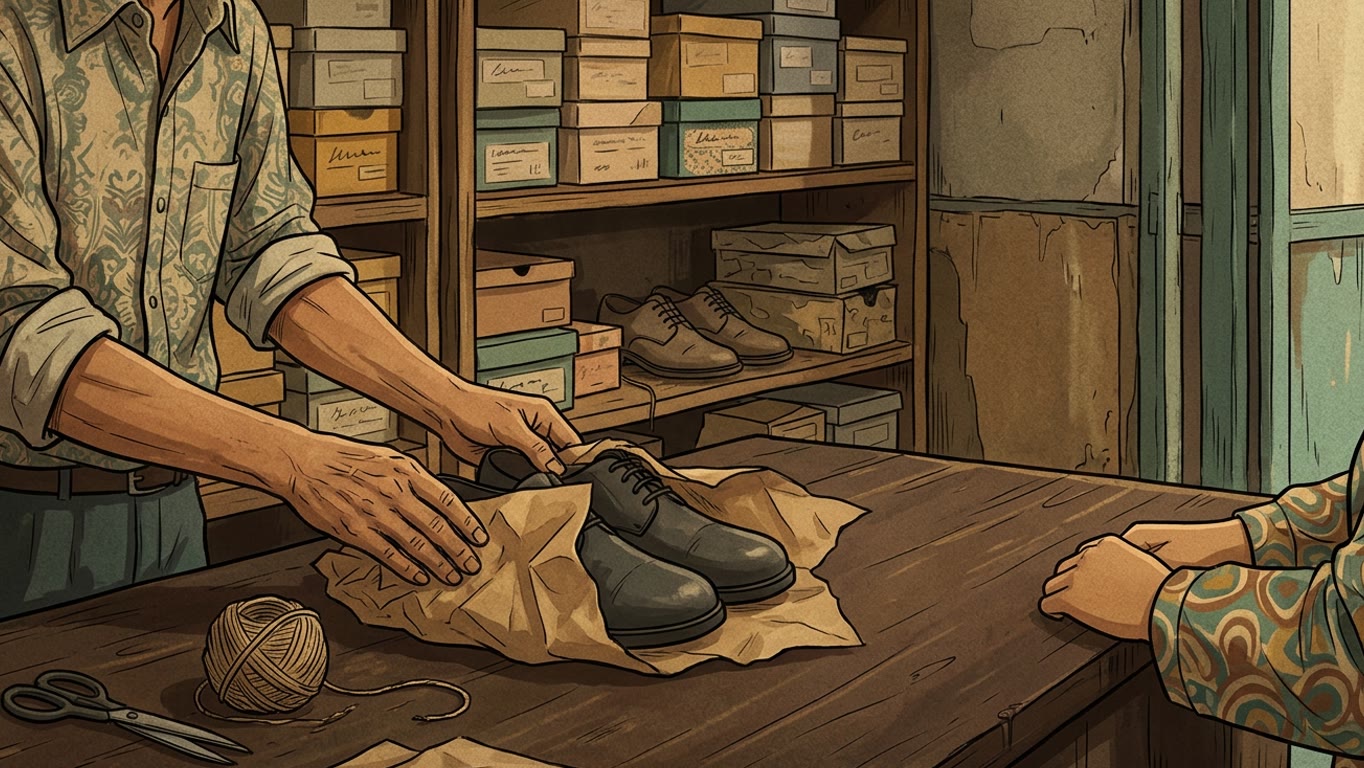
- Broken hopes: disagreements with the federal government meant many economic benefits expected from merger never materialised.
- On its own: after separation, Singapore faced serious economic challenges as a newly independent nation-state.
- A crowded island: about 1.9 million people lived on a small island with no natural resources.
- Vulnerable: these conditions left the economy easily harmed by events outside its control.
Why Was Singapore's Economy in Trouble in 1965?
Reason 1: Trade With Malaysia Shrank
- PPointSingapore's economy was in trouble because it lost easy access to its largest market, Malaysia.
- EEvidenceMalaysia remained Singapore's main trading partner, but there was no common market and no direct access to the Malaysian . To protect its own industries, Malaysia raised on Singapore's exports, and it shipped more of its tin and rubber through its own ports instead of Singapore's.
- EElaborationHigher tariffs made Singapore-made goods dearer than Malaysian ones, and diverting tin and rubber cut Singapore's entrepôt business, so its factories sold less and its traders handled less, reducing output and jobs.
- LLinkHence, separation turned Singapore's biggest neighbour into a shrinking market, undermining its growth.
Reason 2: Not Enough Jobs
- PPointSingapore's economy was in trouble because there were not enough jobs for a fast-growing population.
- EEvidenceIn 1965, more than 70,000 people were unemployed out of a of over 700,000, and thousands of young people were about to leave school and look for work.
- EElaborationWithout new jobs, unemployment would rise further, bringing hardship to families and the risk of social unrest that could threaten a new nation's stability.
- LLinkThus, the shortage of jobs made creating employment the government's most urgent economic task.
Reason 3: The Old Lifelines Were Fading
- PPointSingapore's economy was in trouble because its traditional sources of income were fading.
- EEvidenceThe entrepôt trade, Singapore's lifeline for over a century, had been declining since World War Two as other ports in the region competed for business. In 1967, Britain announced the closure of its military bases, on which over 40,000 people depended for work supplying the servicemen; shops in places such as Changi Village lost trade.
- EElaborationWith both of its traditional pillars weakening at the same time, Singapore could no longer rely on them to provide enough jobs or growth for its people.
- LLinkTherefore, the fading lifelines convinced the government that it had to diversify the economy.
The Answer: Diversify
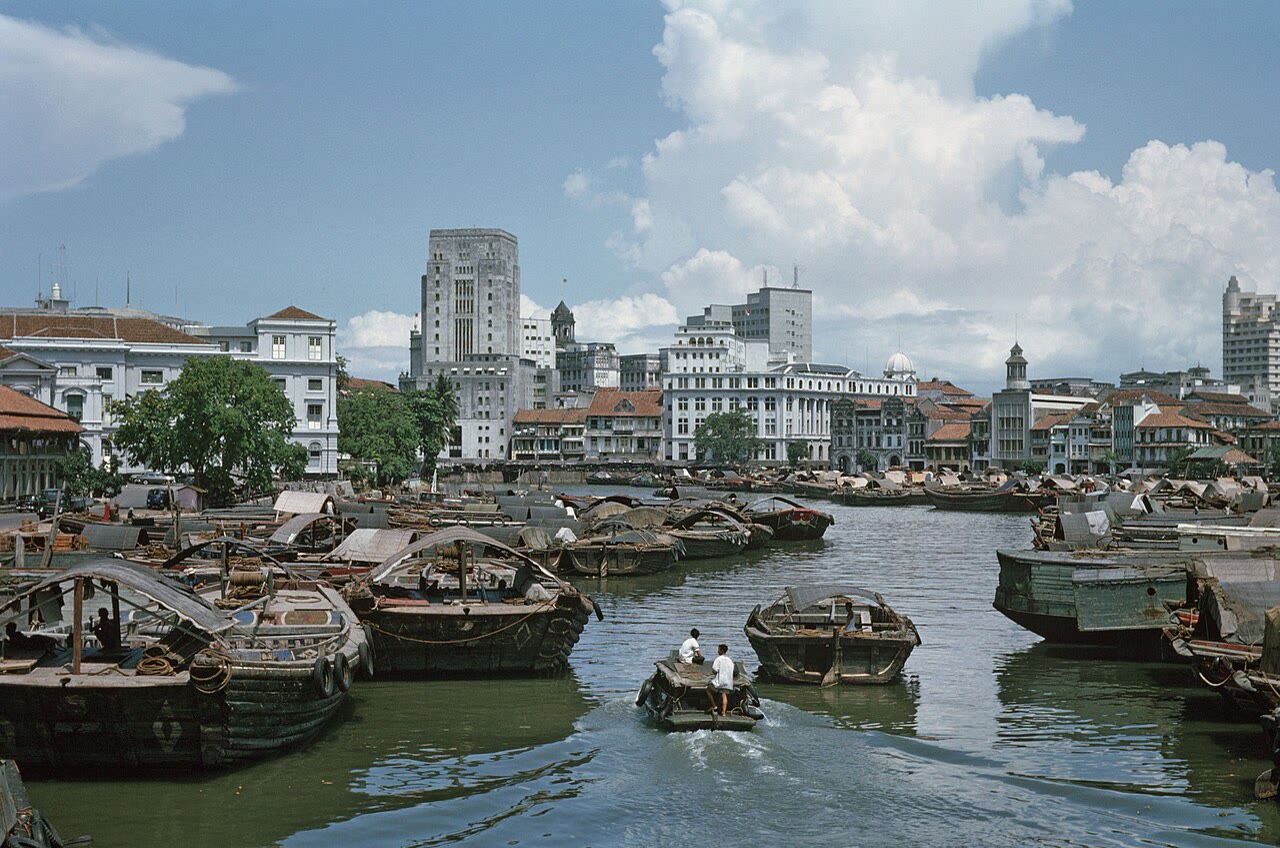
- Diversification: building many new and varied sources of growth instead of depending on any one source.
- Why it helps: with many sources of growth, the economy was more likely to grow steadily.
- The goal: steady growth would create enough jobs for the people and reduce vulnerability.
In One Sentence
- In 1965 Singapore's economy was in trouble because trade with Malaysia shrank, there were too few jobs, and the entrepôt trade and British bases were fading, so the government chose to diversify.
Think About It
- Which of the three reasons do you think worried the government most in 1965, and why?
- Malaysia raised tariffs to protect its own industries. Was that unfair to Singapore, or a sensible choice for Malaysia? Explain both sides.
- Why is depending on one source of income risky, for a country or for a family?