Why Did the PAP Want Merger With Malaya?
Why Did the PAP Want Merger With Malaya?
The PAP's 1959 election promise included independence through merger with Malaya, an idea many in Singapore had supported since 1948. These notes explain three reasons the PAP pursued merger: it offered the only realistic route to independence from Britain, Singapore's economic survival depended on Malaya as its , and a would remove the that were damaging its trade.
An Old Idea, a New Promise
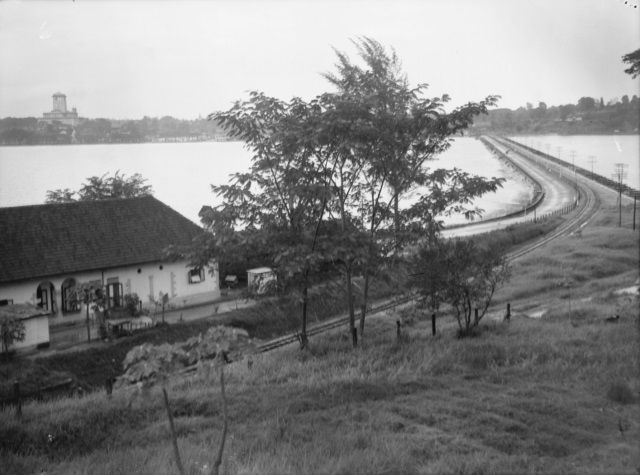
- A long-held goal: many in Singapore had called for merger since 1948, seeing its future as inseparable from Malaya's in politics and economics.
- The 1959 promise: the PAP pledged to achieve independence through merger, which gave the idea a popular mandate.
- Containing the left: placing internal security under an anti-communist central government would also help the PAP's moderate leaders check the radicals who threatened to take over the party.
Why Did the PAP Want Merger With Malaya?
Reason 1: Independence From Britain
- PPointThe PAP pursued merger because it offered the only realistic route to independence from Britain.
- EEvidenceIn the , Britain feared that Southeast Asia would fall to communism, with communist China nearby and communist movements growing in Indonesia and Vietnam. It therefore favoured a stable federation of Malaya, Singapore, North Borneo, Sarawak and Brunei under an anti-communist government that would also safeguard its military bases.
- EElaborationBecause Britain would not risk an independent Singapore falling to communism on its own, independence could only come within a larger, stable, anti-communist federation. Merger thus became the price of ending colonial rule.
- LLinkHence, the wish for full independence from Britain was a key reason the PAP pursued merger.
Reason 2: A Hinterland to Survive
- PPointThe PAP sought merger because Singapore's long-term economic survival depended on Malaya as its hinterland.
- EEvidenceIn his 1961 radio talks, Lee Kuan Yew described Malaya as Singapore's hinterland, the source of the rubber and tin on which its economy depended. Singapore had no natural resources, a fast-growing population that needed jobs, and a declining trade, as its neighbours increasingly shipped exports through their own ports.
- EElaborationThese conditions meant Singapore could not generate enough trade or jobs on its own. By tying its economy to Malaya's resources and market, merger offered the larger economic base it needed, whereas standing alone risked steady decline.
- LLinkThus, the need for economic survival made merger appear essential to Singapore's future.
Reason 3: A Common Market
- PPointThe PAP wanted merger to secure a common market that would remove the tariffs damaging Singapore's trade.
- EEvidenceIn the 1950s, Malaya imposed tariffs on Singapore goods: with a 25% tariff, shoes costing $10 in Singapore sold for $12.50 in Malaya. In 1960, after Singapore taxed imported soap, Malaya retaliated by taxing Singapore's soap.
- EElaborationTariffs priced Singapore's goods out of Malaya and fuelled tit-for-tat duties that harmed both sides. A common market would let goods move freely, so Singapore's factories could sell into a far larger market, expanding industry and creating jobs for its growing population.
- LLinkTherefore, the promise of a common market was a powerful economic reason for merger, and its later delay would become a major source of conflict.
Tariffs and Trade
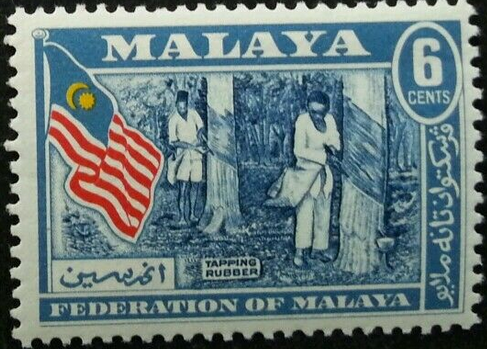
- Tariff: a tax on goods entering a territory, which makes them more expensive and less competitive.
- Its impact: Malaya's tariffs made Singapore goods less attractive to buyers in Malaya, so trade between them fell.
- Common market: an agreement allowing goods made in one territory to enter another without tariffs or restrictions.
- The hope: a larger market for Singapore's manufactures, more trade and more jobs for a growing population.
In One Sentence
- The PAP pursued merger because it was the only route to independence that Britain would accept, Singapore needed Malaya as its hinterland to survive, and a common market would end the tariffs damaging its trade.
Think About It
- Which reason do you think mattered most to ordinary people in Singapore: independence, survival or trade? Why?
- Lee Kuan Yew called Malaya Singapore's hinterland. What problems might a small island with no natural resources face if it stood alone?
- Singapore taxed imported soap, and then Malaya taxed Singapore's soap. Why do tariffs often lead to more tariffs, and who loses out?