Why Did Singapore and Malaysia Disagree?
Why Did Singapore and Malaysia Disagree?
Singapore joined Malaysia expecting a common market and a secure future, yet it remained in the federation for less than two years. Economic disagreements and political differences steadily strained relations between the federal government in Kuala Lumpur and the state government of Singapore. These notes explain the three causes of disagreement: the delayed common market, the dispute over , and fundamentally different views on politics and race.
Two Governments, One Federation

- Federal government: governed the whole of Malaysia from Kuala Lumpur, led by the Alliance Party.
- State government: Singapore kept its own government, led by the PAP.
- Two kinds of conflict: economic disagreements over the common market and money, and political differences over parties and the treatment of the races.
Why Did Singapore and Malaysia Disagree?
Reason 1: The Common Market Delayed
- PPointSingapore and Malaysia disagreed because the federal government delayed the common market that Singapore had joined to secure.
- EEvidenceSingapore expected a common market to remove tariffs on its goods, but the federal government delayed it and kept tariffs to protect Malaya's industries, so Singapore-made shoes costing $10 still sold for $12.50 in Malaya. Kuala Lumpur also approved only 2 of Singapore's 69 applications for pioneer certificates, the tax breaks used to attract new industries.
- EElaborationBy withholding both the common market and the incentives Singapore relied on to industrialise, Kuala Lumpur denied it the main economic benefit of merger. This convinced Singapore's leaders that the federal government was protecting Malaya's interests at Singapore's expense.
- LLinkHence, the delayed common market bred frustration and strained relations between the two governments.
Reason 2: The Revenue Dispute
- PPointSingapore and Malaysia disagreed because Kuala Lumpur demanded a much larger share of Singapore's revenue.
- EEvidenceSingapore had agreed to pay 40% of its revenue to the federal government. As Konfrontasi drove up defence spending, Federal Finance Minister Tan Siew Sin demanded that this rise to 60%, and new federal taxes followed.
- EElaborationSingapore saw the demand as an attempt to change the agreed terms, taking more of its money while still withholding the common market, so it felt it was paying more for fewer benefits.
- LLinkThus, the revenue dispute deepened mistrust between Singapore and the federal government.
Reason 3: Different Political Views
- PPointSingapore and Malaysia disagreed because the two governments held fundamentally different views on politics and the treatment of the races.
- EEvidenceThe PAP was , representing all communities, whereas the Alliance Party was made up of three parties, UMNO, the MCA and the MIC. Article 153 of Malaysia's constitution gave Malays a special position, with quotas in the civil service, scholarships, licences and university places, while Singapore favoured for all races and free education as the way to uplift the Malays.
- EElaborationAlthough both governments claimed to want to help the Malays, they disagreed on how. Singapore's call for equal opportunity was seen as challenging the very basis of Alliance politics, so the difference struck at each side's core beliefs and could not easily be compromised.
- LLinkTherefore, political differences proved the most dangerous source of conflict, as they soon spilled over into electoral rivalry and communal tension.
Why It Mattered
- Merger undermined: without the common market, merger brought Singapore far fewer of the economic benefits it had expected.
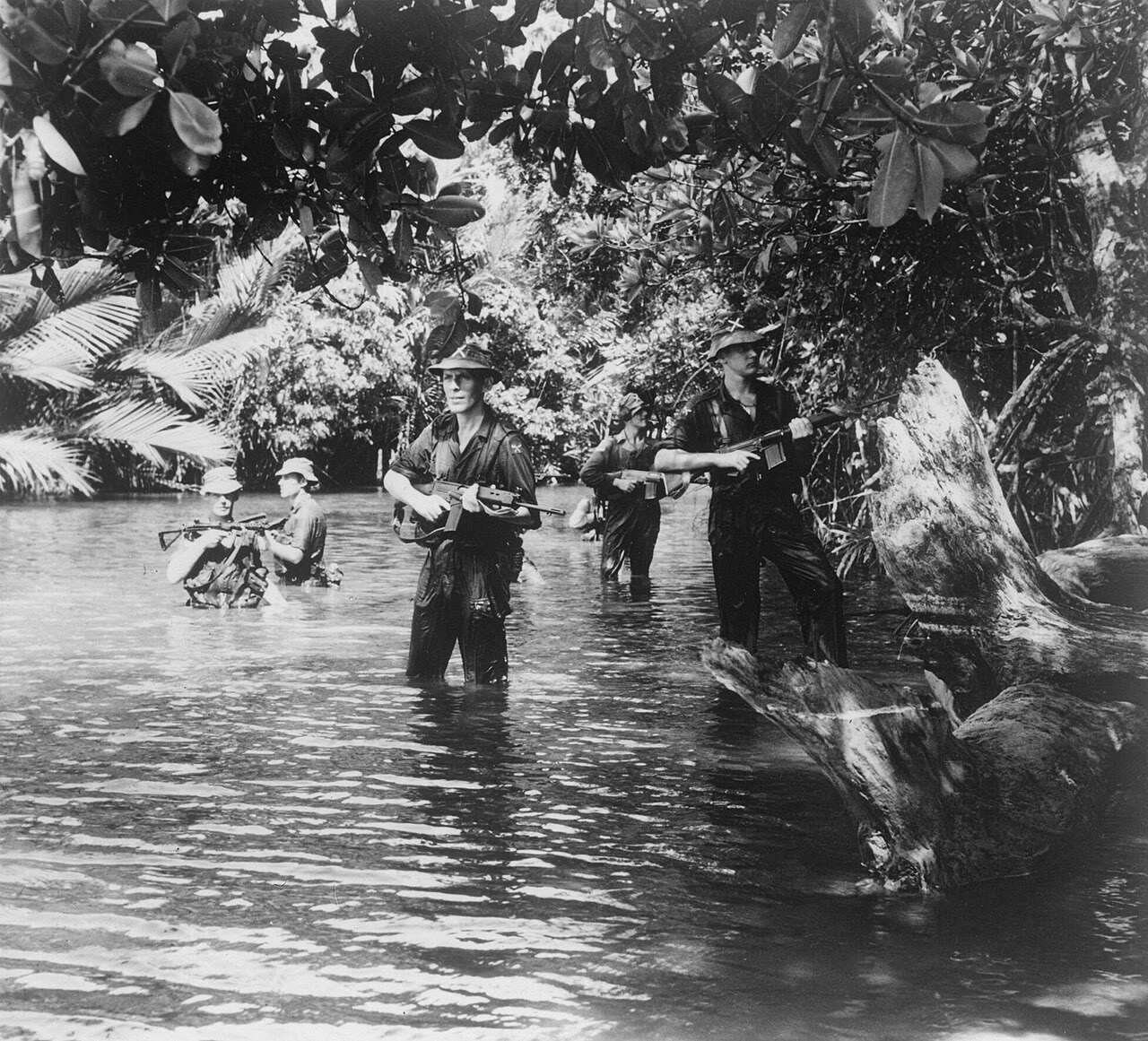
- The cost of Konfrontasi: Indonesia's attacks raised defence spending, which is why Kuala Lumpur demanded more of Singapore's revenue.
- Mounting mistrust: each dispute eroded confidence on both sides, so later political rivalry escalated quickly into open conflict.
In One Sentence
- Singapore and Malaysia disagreed because the common market was delayed, Kuala Lumpur demanded more of Singapore's revenue, and the two governments held fundamentally different views on politics and the treatment of the races.
Think About It
- Both governments said they wanted to help the Malays. How can two governments share the same aim and still disagree so strongly?
- Which strained relations more, the economic disagreements or the political differences? Give a reason for your choice.
- The federal government said it needed more money because of Konfrontasi. Was asking Singapore for 60 per cent fair? Think about it from both sides.