Why Did the Tunku Change His Mind About Merger?
Why Did the Tunku Change His Mind About Merger?
Malaya's Prime Minister, Tunku Abdul Rahman, at first regarded merger with Singapore as a threat to Malaya's stability. By mid-1961 he had reversed his position. These notes explain why he hesitated and the three reasons he changed his mind: his fear of a communist Singapore, the Hong Lim , which intensified that fear, and the inclusion of the Borneo territories, which preserved the racial balance he wanted.
Why the Tunku Hesitated
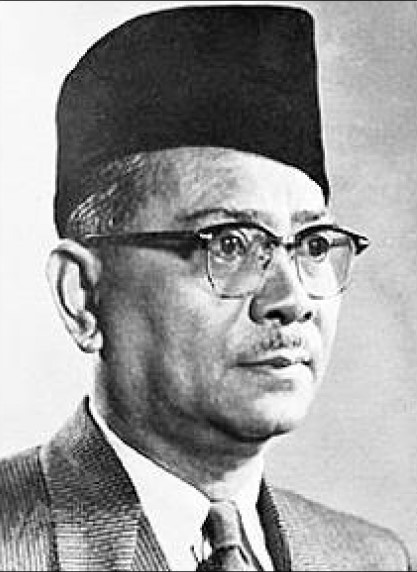
- Racial balance: merging with Chinese-majority Singapore alone would make Chinese outnumber Malays, 3.6 million to 3.4 million, threatening Malay political predominance.
- Different outlooks: he doubted that mainly Chinese Singapore would accept a Malay Sultan as Head of State, Malay as the national language and Islam as the state religion.
- Communist sympathies: he suspected many Chinese in Singapore sympathised with the communists, having seen them lead and support the strikes of the 1950s.
Why Did the Tunku Change His Mind About Merger?
Reason 1: Fear of a Communist Singapore
- PPointThe Tunku changed his mind chiefly because he feared that an independent Singapore could fall to communism.
- EEvidenceMalaya held a seat on the , which it would lose if Singapore became independent on its own, and there would be no colonial government left to contain communism. The Tunku had fought the communists throughout the Malayan Emergency, from 1948 to 1960.
- EElaborationAn independent, left-leaning Singapore beside Malaya could become a base for communist subversion and inspire unrest in Malaya itself. Bringing Singapore into a federation would place its internal security under Kuala Lumpur's control, neutralising that threat.
- LLinkHence, the fear of a communist Singapore turned merger from a risk into a safeguard for Malaya.
Reason 2: The Hong Lim By-Election
- PPointThe Hong Lim by-election of April 1961 intensified the Tunku's fears and pushed him towards merger.
- EEvidenceOng Eng Guan, a former PAP Minister for National Development, was expelled from the party, stood at Hong Lim as an independent and defeated the PAP candidate with 73.3% of the vote. The result exposed a split between the PAP's , who sought gradual change through elections, and its , who sought drastic change.
- EElaborationThe defeat suggested the moderates were losing ground, so the Tunku feared the radicals could take over the PAP and establish a pro-communist government. This made it urgent to bring Singapore under federal control before that happened.
- LLinkThus, Hong Lim convinced the Tunku that merger could no longer be delayed, and he proposed it the following month.
Reason 3: Borneo Balances the Numbers
- PPointIncluding the Borneo territories overcame the Tunku's concern about the racial balance.
- EEvidenceOn 27 May 1961 he proposed a federation that would also include Brunei, North Borneo and Sarawak. Malaya, Singapore, North Borneo and Sarawak together would have four million Malays and 3.7 million Chinese. In July 1961 the PAP also lost the Anson by-election, to David Marshall.
- EElaborationBy offsetting Singapore's Chinese majority, the wider federation would preserve Malay predominance, making merger politically acceptable in Malaya. The PAP's further defeat at Anson reinforced his belief that delay would let the radicals gain ground.
- LLinkTherefore, the Borneo territories made merger acceptable to the Tunku, and he was now committed to forming Malaysia.
The Agreement
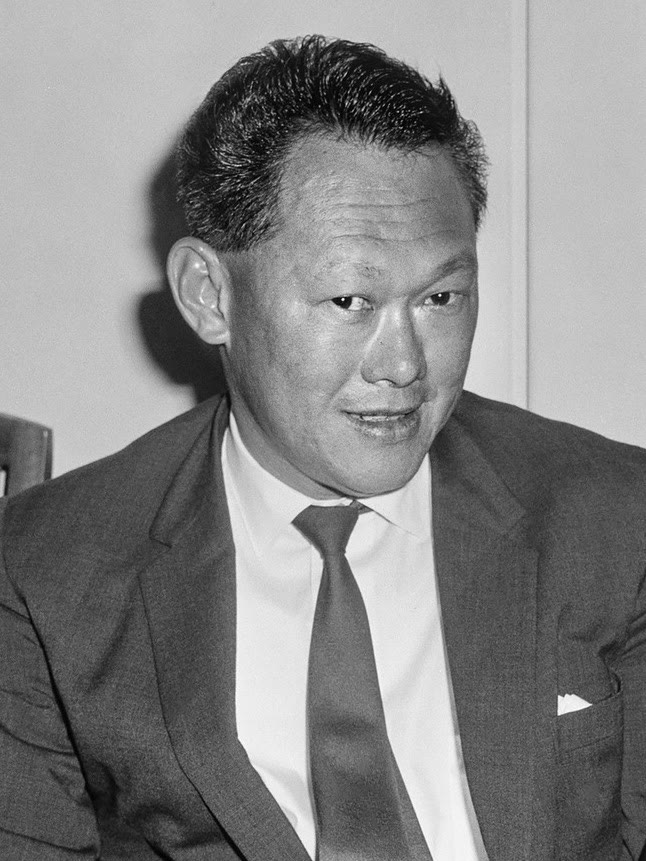
- 27 May 1961: the Tunku publicly raised the idea of a wider federation, with Singapore ministers in the audience.
- Lee's response: Lee Kuan Yew quickly declared his support, and the two leaders began talks on forming Malaysia.
- 24 August 1961: they agreed the broad terms of merger, which gave Singapore a special status within Malaysia.
In One Sentence
- The Tunku changed his mind because he feared a communist Singapore, the Hong Lim by-election intensified that fear, and including the Borneo territories preserved the racial balance he wanted.
Think About It
- The Tunku agreed to merger mainly to keep communism out. How might that make merger fragile if the two governments later disagreed?
- Why would one by-election in a single area like Hong Lim worry the leader of a whole neighbouring country?
- The Tunku cared a lot about the balance of races in the new federation. What problems could that focus cause later on?