How Did the PAP Win the Battle for Merger?
How Did the PAP Win the Battle for Merger?
Facing a formidable opposition in the Barisan Sosialis, the PAP fought a battle for the hearts and minds of the people over merger, and won. These notes explain the three methods that secured its victory: Lee Kuan Yew's radio talks, publicity showing the benefits of merger, and the renegotiation of citizenship. They also examine the 1962 and , which together cleared the way for Malaysia.
How Did the PAP Win the Battle for Merger?
Reason 1: The Radio Talks
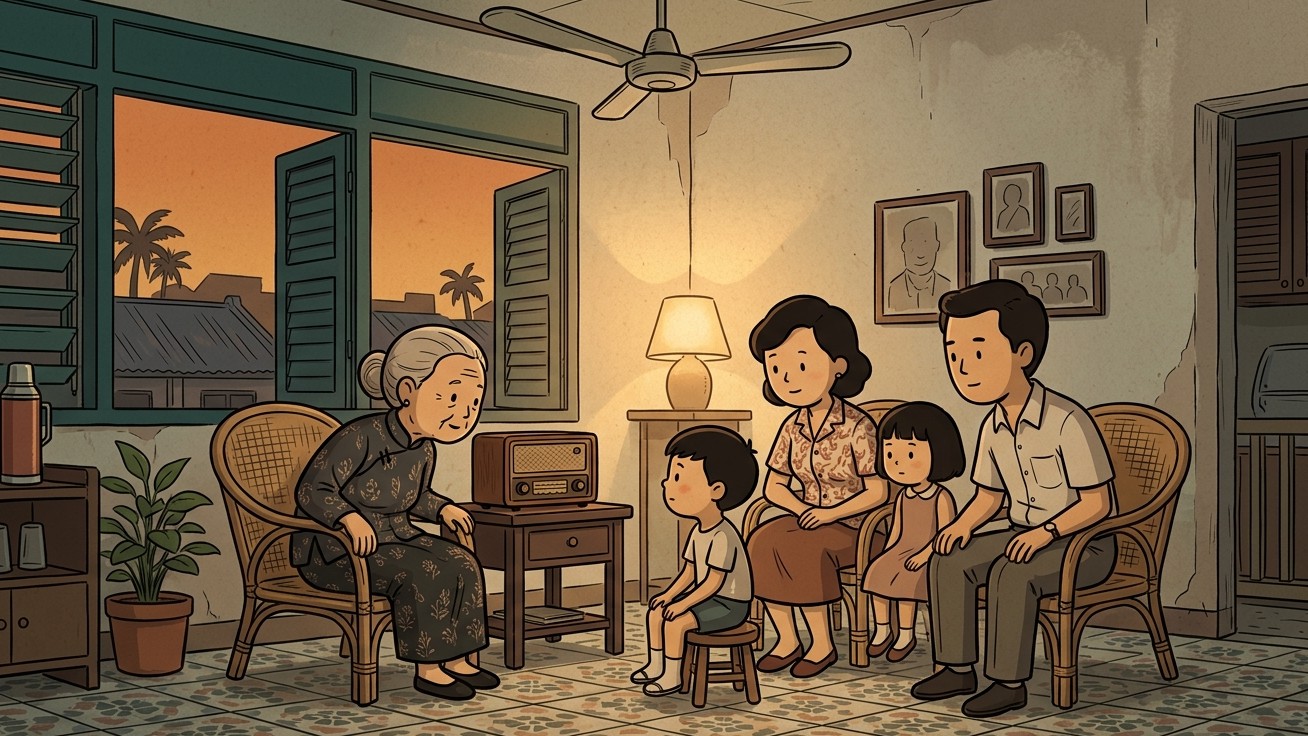
- PPointThe PAP won the battle for merger partly because Lee Kuan Yew's radio talks took its case directly to the people.
- EEvidenceFrom September to October 1961, he gave a series of radio talks, The Battle for Merger, on Mondays, Wednesdays and Fridays, each in Mandarin, English and Malay and later re-broadcast in Tamil, Hokkien and Cantonese. They reached Singapore, Malaya, Brunei, North Borneo and Sarawak.
- EElaborationBroadcasting in many languages allowed the PAP to reach voters of every community in their own homes, set out the dangers of the alternative and counter the Barisan's claims, shaping public opinion far more widely than rallies could.
- LLinkHence, the radio talks were crucial in winning popular support for merger.
Reason 2: Showing the Benefits
- PPointThe PAP won support by showing people the concrete benefits of merger.
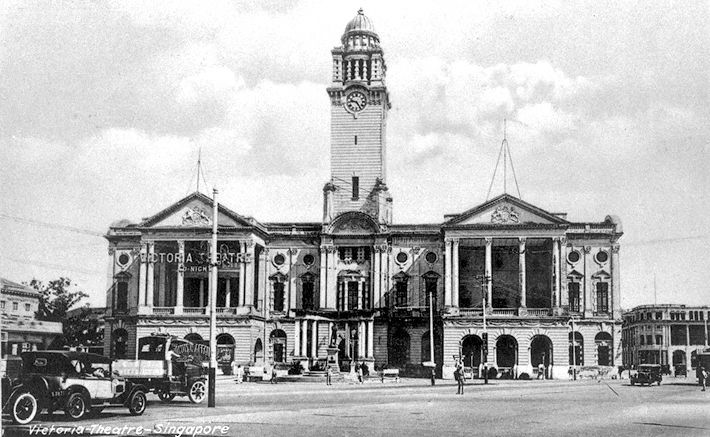
- EEvidenceIn early 1962, the Malaysia Exhibition at the Victoria Memorial Hall, organised by the governments of all the territories, displayed the close ties between their peoples, cultures and trade. The government also produced flyers in all four official languages and booklets such as The Merger Plan.
- EElaborationPresenting merger as neighbours united by shared culture and trade, rather than as a deal between politicians, made it tangible and reassuring, so ordinary people could see how it would improve their lives.
- LLinkThus, publicising the benefits broadened support for merger across the communities.
Reason 3: Fixing Citizenship
- PPointThe PAP won because Lee Kuan Yew renegotiated citizenship, removing the Barisan's strongest argument.
- EEvidenceAfter further talks with the Tunku, Lee announced in August 1962 that all Singapore citizens would become "Malaysian citizens" after merger. They would still vote only in Singapore's elections, but the label "federal nationals" was dropped.
- EElaborationResolving the citizenship grievance undercut the claim that Singaporeans would be second-class members of Malaysia, leaving the Barisan without its most persuasive objection only weeks before the referendum.
- LLinkTherefore, fixing citizenship ensured strong support for the PAP's preferred option in the referendum.
The 1962 Referendum
- 1 September 1962: a referendum, a direct vote on one issue, asked people what type of merger they wanted.
- No option to reject: voters could choose the terms of merger but not reject merger outright.
- Option A: merger with control of labour and education and automatic Malaysian citizenship, the PAP's choice.
- The result: Option A won 70.8%, while the urged by the Barisan reached only 25.7%, giving merger a clear popular mandate.
After the Vote
- The Brunei Revolt: an armed uprising in Brunei in December 1962 heightened fears of a left-wing threat to the merger plan.
- Operation Coldstore: on 2 February 1963 the Internal Security Council detained more than 100 people, including Lim Chin Siong and 23 other Barisan members, accused of plotting to sabotage Malaysia.
- A contested episode: historians still debate how real the threat was.
- Its impact: with its leaders detained, the Barisan lost the 1963 state election, winning 13 seats to the PAP's 37 of 51.
In One Sentence
- The PAP won the battle for merger through radio talks, publicity showing the benefits and the renegotiation of citizenship, and Option A won 70.8% in the 1962 referendum, while Operation Coldstore weakened the opposition.
Think About It
- The referendum asked what kind of merger people wanted, not whether they wanted one. Was that a fair question to ask? Why or why not?
- Why do you think the Barisan urged people to cast blank votes instead of choosing an option? What were the risks of that plan?
- Radio talks reached people in many languages. Which do you think persuaded people more: hearing the leader's voice, or seeing the exhibition? Why?