How Was Malaysia Born?
How Was Malaysia Born?
On 16 September 1963 the Federation of Malaysia came into being, with Singapore as one of its 14 states. Its formation depended not only on Singapore and Malaya but on their neighbours. These notes examine the four reactions (North Borneo and Sarawak joined, Brunei stayed out, the Philippines objected and Indonesia opposed it outright) and explain why Malaysia was born under threat.
Four Neighbours, Four Reactions
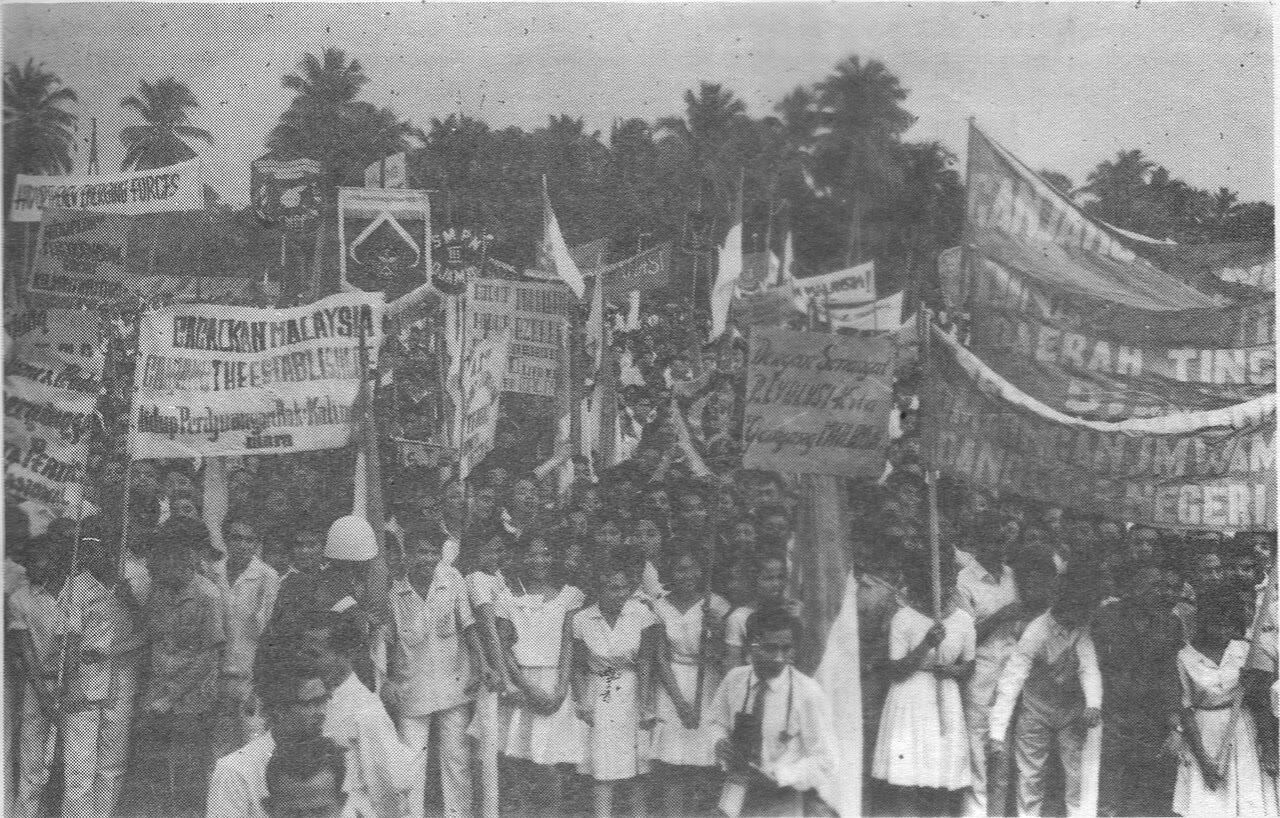
- North Borneo and Sarawak join: the Cobbold (1962) found two-thirds of people there in favour, and a United Nations mission confirmed this in 1963, giving the federation legitimacy.
- Brunei stays out: keen to keep its oil revenue and the Sultan's powers, it declined to join, remaining under British protection until 1984.
- The Philippines objects: asserting a historic claim to North Borneo through the Sultanate of Sulu, it refused to recognise Malaysia and broke off relations in 1963.
- Indonesia opposes: it reacted most strongly of all, rejecting the new federation outright.
How Was Malaysia Born?
Why Indonesia Opposed Malaysia
- PPointIndonesia opposed Malaysia because it saw the federation as a threat to its interests in the region.
- EEvidenceIndonesia denounced Malaysia as a "neo-colonialist plot" that would let Britain keep control of the region, and believed North Borneo and Sarawak should fall under its own influence. In January 1963 it announced , and that year it broke off diplomatic and trade relations with Malaysia.
- EElaborationRegarding Malaysia as a British device to retain power and a rival for influence over Borneo, Indonesia set out to destabilise it through military attacks, bombings and other hostile acts, so the new federation faced a powerful, hostile neighbour from the outset.
- LLinkHence, Indonesia's opposition meant that Malaysia was born under threat, and the rising cost of defence would later strain relations between Singapore and Kuala Lumpur.
The Birth of Malaysia
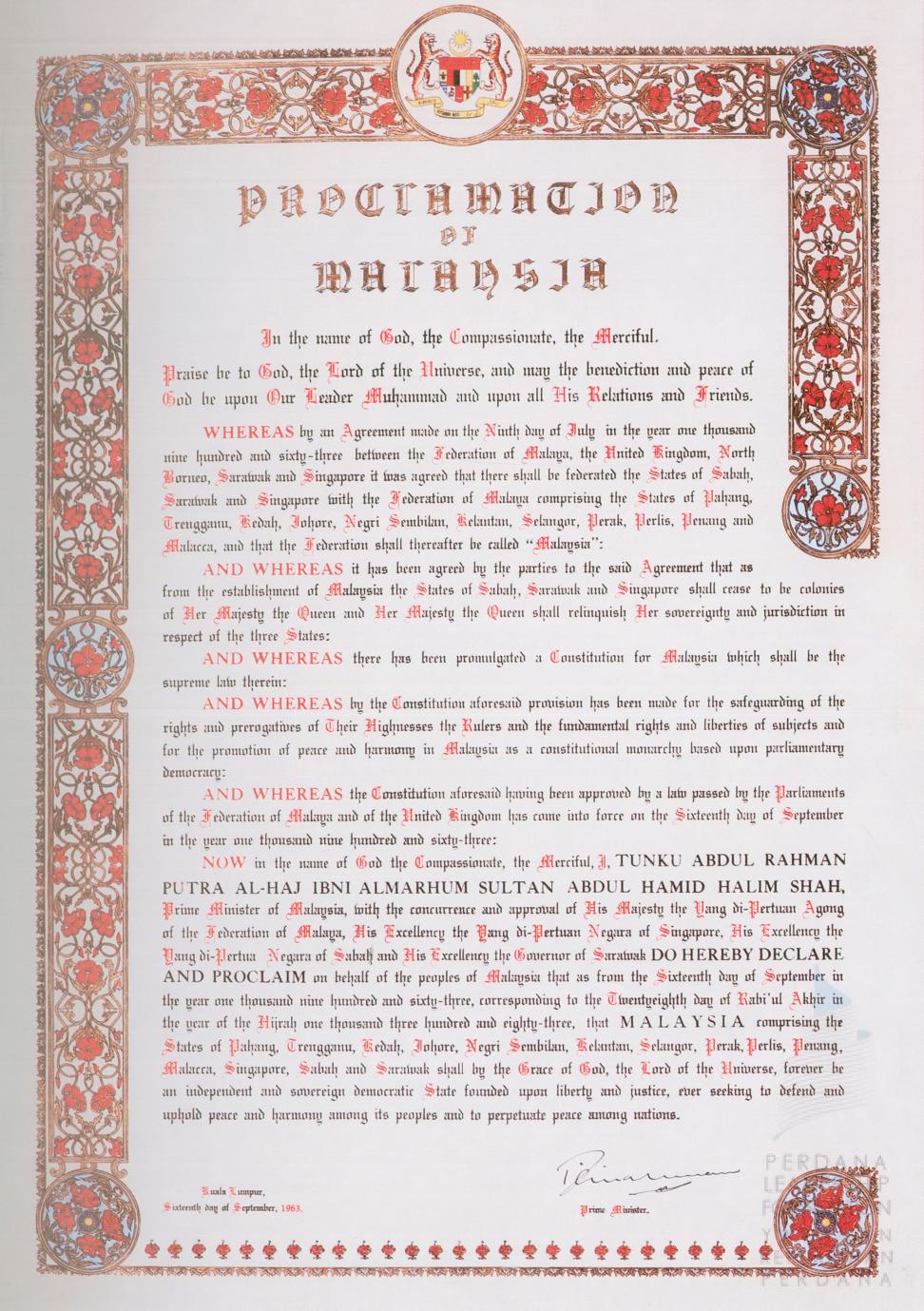
- The Malaysia Agreement: signed in London on 9 July 1963 by Britain, Malaya, Singapore, Sabah and Sarawak; amid regional opposition, Malaysia's launch was postponed to await the United Nations mission's findings.
- 16 September 1963: Malaysia came into being with 14 states, and North Borneo was renamed Sabah.
- Powers transferred: control of Singapore's defence and foreign affairs passed to the federal government.
- Modified terms: Singapore citizens automatically became Malaysian citizens but could still vote only in Singapore.
- Seeds of conflict: the common market was to be introduced only in stages, leaving a key economic promise unsecured.
Malaysia Day
- Celebrations: festivities across the island marked the birth of the new federation.
- The proclamation: from the steps of City Hall, Lee Kuan Yew declared that Singapore would be "forever a part" of Malaysia.
- High hopes: he spoke of a nation founded on liberty and justice, seeking a more just and equal society.
- What followed: less than two years later, Singapore left the federation.
In One Sentence
- Malaysia was born on 16 September 1963, with North Borneo and Sarawak joining after the Cobbold Commission, but Brunei stayed out and the Philippines and Indonesia opposed it, so the federation faced threats from its birth.
Think About It
- The Cobbold Commission asked people in North Borneo and Sarawak what they wanted. Why was it important to find out people's views before forming Malaysia?
- Indonesia felt Malaysia would let the British keep control of the region. Why might a country that had fought for its own independence see Malaysia this way?
- Lee Kuan Yew said Singapore would be "forever a part" of Malaysia. What does that tell you about leaders' hopes in 1963, and why would separation two years later be such a shock?