What Happened on 9 August 1965?
What Happened on 9 August 1965?
The agreed after the 1964 riots soon collapsed, and within a year Singapore had left Malaysia. These notes explain three reasons for separation: the breakdown of the truce, the "" campaign, which deepened the Alliance's mistrust of the PAP, and the Tunku's fear that disorder would spread across the federation. They then examine how separation was carried out and how Singapore became a sovereign on 9 August 1965.
A Truce After the Riots
- The agreement: after the September 1964 riots, the Alliance and the PAP agreed not to raise racial issues.
- No contests: both sides also agreed not to challenge each other in elections for two years.
- A fragile peace: a truce is an agreement to halt a conflict for a while; this one lasted only weeks.
What Happened on 9 August 1965?
Reason 1: The Truce Breaks Down
- PPointSingapore left Malaysia partly because the truce between the PAP and the Alliance quickly broke down.
- EEvidenceIn October 1964, the Singapore Alliance Party announced it would be reorganised to contest and win the next election, and UMNO opened new branches in Singapore.
- EElaborationComing soon after both sides had pledged not to compete, these moves were seen by the PAP as a direct political challenge. They destroyed the brief trust the truce had created and provoked the PAP to respond.
- LLinkHence, the breakdown of the truce revived the rivalry that had fuelled the 1964 tensions.
Reason 2: "Malaysian Malaysia"
- PPointSingapore left Malaysia partly because the "Malaysian Malaysia" campaign deepened the Alliance's mistrust of the PAP.
- EEvidenceIn 1965 the PAP and four other opposition parties formed the Malaysian Solidarity Convention, campaigning for a "Malaysian Malaysia" in which everyone would be treated equally, whatever their race or religion. Alliance leaders saw it as a threat to the special rights of the Malays, and some UMNO leaders called for Lee Kuan Yew's arrest.
- EElaborationBy uniting opposition parties across Malaysia behind equal treatment, the PAP appeared to challenge both the Alliance's hold on power and the special position of the Malays, which Alliance leaders regarded as non-negotiable. The campaign thus turned political rivalry into a confrontation over the federation's founding principles.
- LLinkThus, the campaign drove the two sides further apart than ever.
Reason 3: The Tunku Fears Disorder
- PPointSingapore left Malaysia because, by mid-1965, the Tunku concluded that separation was the only way to prevent wider disorder.
- EEvidenceThe Tunku was convinced that the differences between the federal government and Singapore's government could not be resolved, and saw the 1964 riots as a sign that disorder would spread across the whole federation. A few PAP leaders also believed separation might end the problems.
- EElaborationFaced with what he saw as irreconcilable differences and a risk of communal violence across Malaysia, the Tunku judged that removing Singapore would preserve the federation's stability. Because a few Singapore leaders shared this view, a settlement could be reached quickly and in secret.
- LLinkTherefore, the Tunku's fear of disorder was the immediate cause of separation, and began in July 1965.
9 August 1965
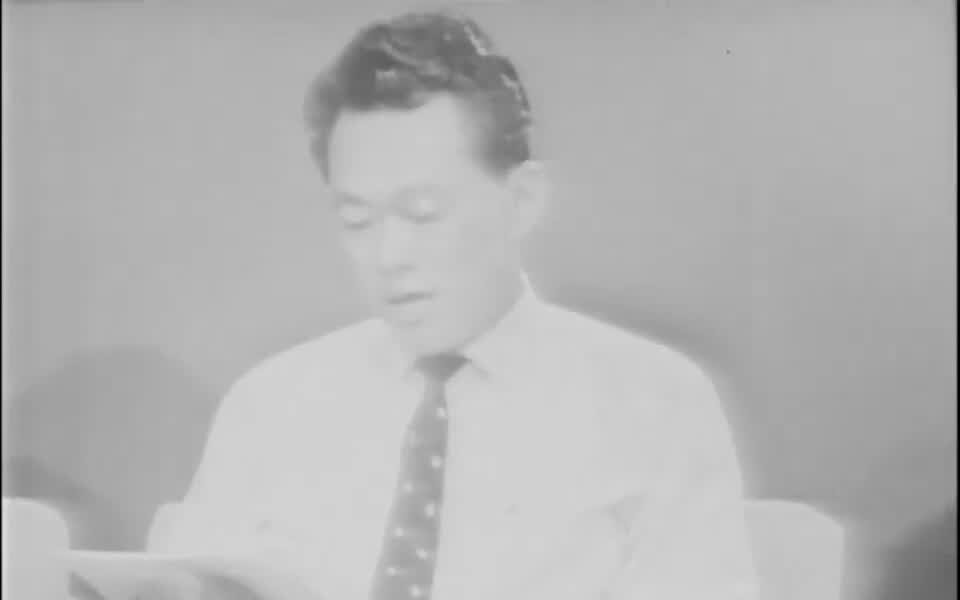
- Secret negotiations: Goh Keng Swee and Tun Abdul Razak worked out the terms in confidence, so a decision of national importance rested with only a handful of leaders.
- Kept in the dark: even senior ministers Toh Chin Chye and S. Rajaratnam learnt of it only days before.
- The agreement: the Independence of Singapore Agreement was signed, and Malaysia's Parliament approved separation by 126 votes to 0.
- "A moment of anguish": an emotional Lee Kuan Yew announced the separation at a live televised press conference, saying he had believed in merger all his adult life because of the two territories' ties of geography, economics and kinship.
A New Republic
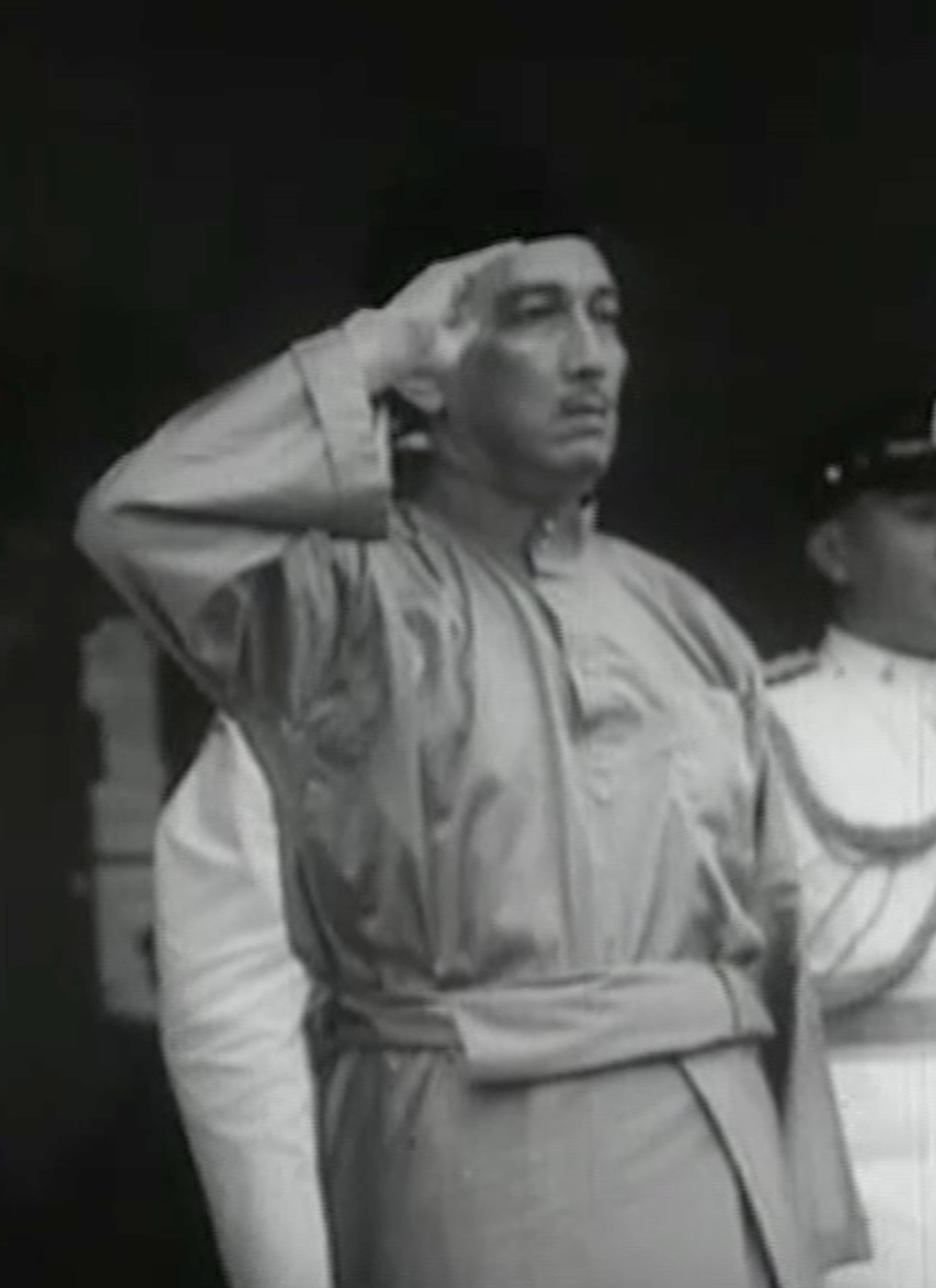
- The Proclamation: drafted by Minister for Law E. W. Barker, it declared Singapore an independent and sovereign nation, separate from Malaysia.
- A republic: Singapore became a country without a monarch, governed by elected representatives and a President; Yusof bin Ishak became its first President.
- International recognition: Malaysia sponsored Singapore's admission to the United Nations, helping the new nation secure its place in the world.
- An uncertain future: many people worried whether Singapore could survive on its own.
In One Sentence
- The truce broke down, the "Malaysian Malaysia" campaign deepened mistrust and the Tunku feared disorder would spread, so on 9 August 1965 Singapore left Malaysia and became a sovereign republic.
Think About It
- The truce was challenged within weeks. Why is it so hard to keep a truce between political rivals?
- "Malaysian Malaysia" meant equal treatment for all races. Why did an idea about equality make Alliance leaders feel threatened?
- Lee Kuan Yew called separation "a moment of anguish", yet it made Singapore independent. How can the same event feel like both a loss and a beginning?