Why Did War Break Out in Europe and Asia?
Why Did War Break Out in Europe and Asia?
In the 1920s Britain ruled the largest in the world, but in the 1930s two rising powers, Germany and Japan, began to threaten it. These notes explain three reasons why World War II broke out and spread to Asia: Germany wanted to be a again, Japan needed the it lacked, and Britain, at war in Europe, had to defend itself first. Together these causes left Britain's colonies in Asia, including Singapore, exposed.
Britain's Empire
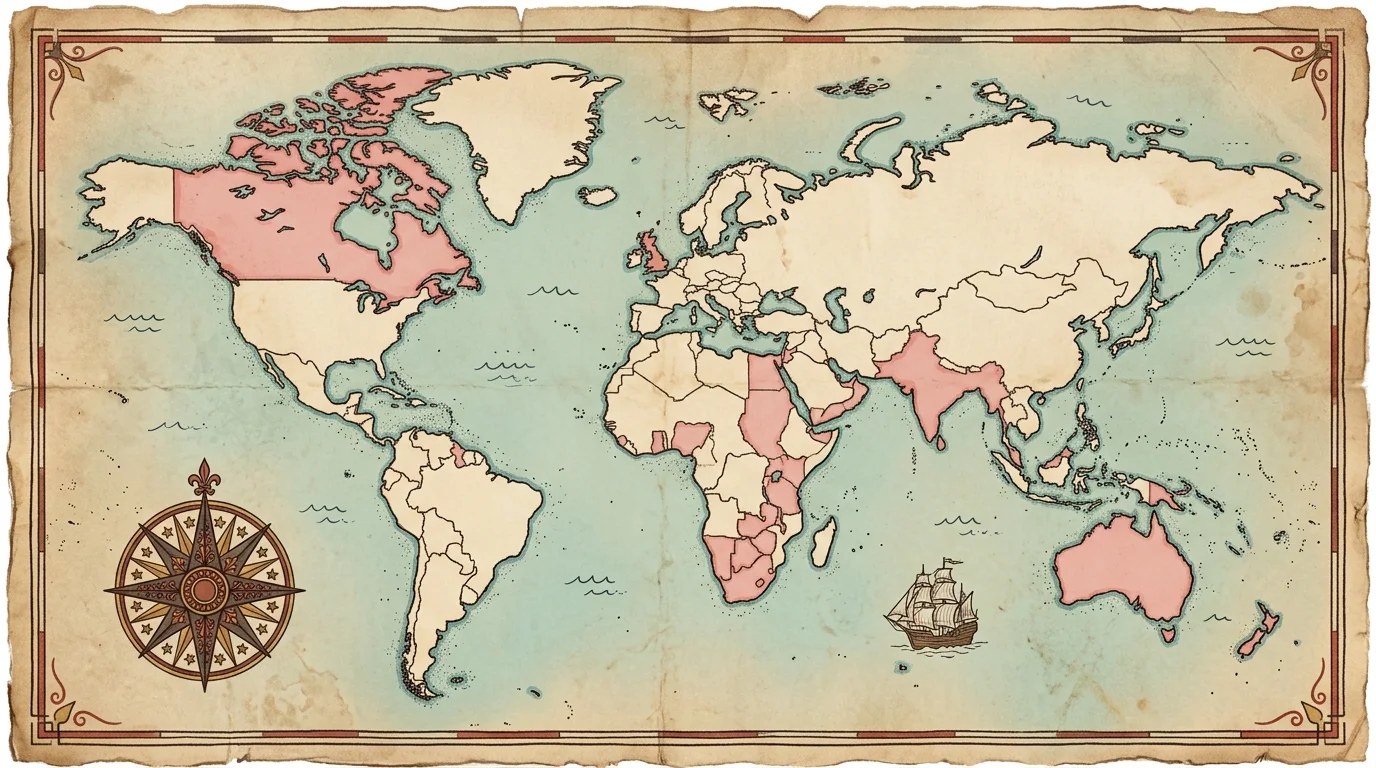
- The largest empire: in the 1920s, the British Empire covered over a quarter of the world's land and people.
- Two challengers: in the 1930s, Germany and Japan began to pose serious threats to the British Empire and to world peace.
- Stretched thin: an empire this large was hard to defend if war came in more than one region at once.
The Rise of Modern Japan
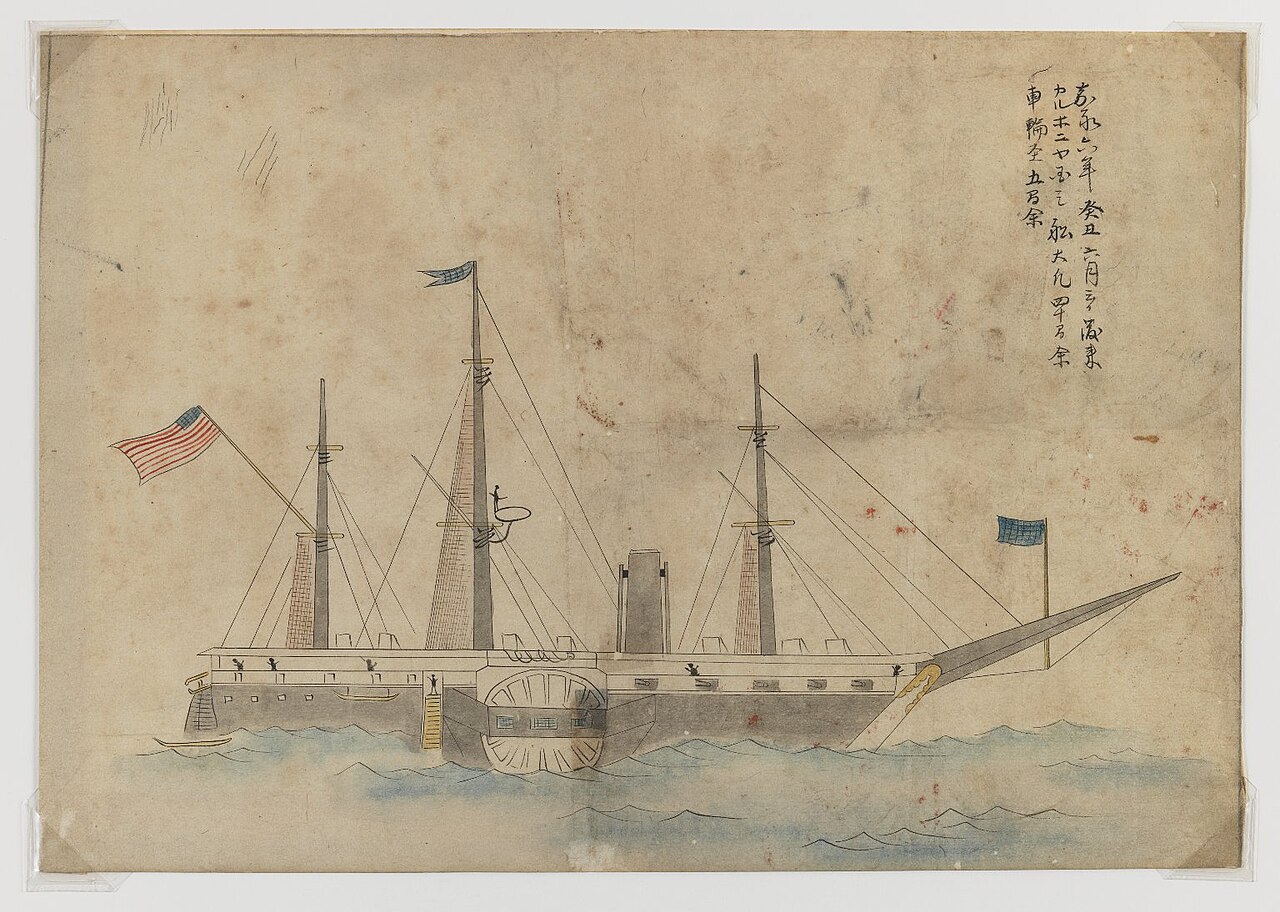
- Shut away: from the 1600s to the mid-1800s, Japan kept to itself, and foreigners were banned except at a few ports.
- 1853: warships from the United States arrived, wanting Japan to open more ports for trade, which showed Japan how far it had fallen behind the West.
- Catching up: from 1868, in less than 50 years, Japan became a modern, industrialised country.
- The weakness: Japan lacked natural resources of its own, so its industries depended on supplies from abroad. This led to Reason 2.
Why Did War Break Out in Europe and Asia?
Reason 1: Germany Wants Its Power Back
- PPointOne reason why World War II broke out was that Germany wanted to become a great power again.
- EEvidenceAfter World War I ended in 1919, Germany's economy was in ruins and its people suffered great hardship. Adolf Hitler and the Nazi Party came to power in 1933 and rebuilt the army. War began in Europe in 1939.
- EElaborationEconomic hardship (the ) made many Germans willing to support Hitler (a historical actor), and he used that support to rebuild Germany's armed forces, turning resentment into a real military threat to its neighbours and to Britain.
- LLinkHence, Germany's drive to regain its power started the war in Europe, which tied down Britain's forces at home.
Reason 2: Japan Needs Resources
- PPointAnother reason why the war spread to Asia was that Japan needed natural resources it lacked.
- EEvidenceJapan had few natural resources of its own, so it set out to build an empire in Asia and invaded China in 1937. The United States then stopped selling Japan oil. Southeast Asia had oil, tin and rubber. In December 1941, Japan attacked the American fleet at Pearl Harbor and landed in southern Thailand and northern Malaya.
- EElaborationWithout oil, Japan's industries were in danger, so seizing Southeast Asia's resources became essential to its plans; knocking out the American navy first would stop the United States from interfering while Japan advanced south.
- LLinkThus, Japan's need for resources led it to attack Pearl Harbor and invade Malaya at the same time, spreading the war to Asia.
Reason 3: Britain Defends Itself First
- PPointA third reason was that Britain, already fighting in Europe, had to defend itself before its empire.
- EEvidenceFrom 1939 Britain fought Germany, and by 1940 it was the only country in Western Europe still fighting. Winston Churchill, Prime Minister from 1940, put the defence of Britain first.
- EElaborationWith its forces needed at home, Britain could spare little for its colonies in Asia, which made them a weaker target and gave Japan the opportunity to strike.
- LLinkTherefore, Britain's choice to defend itself first contributed to the war spreading to Asia, and later left Malaya and Singapore short of the forces they needed.
Thinking Like a Historian
- Context: World War II in Europe was the bigger setting that stretched Britain.
- Circumstances: Germany's ruined economy and Japan's shortage of oil pushed both countries towards war.
- Historical actors: leaders such as Hitler, whose decisions helped cause the war.
- Linkage: the war in Europe () weakened Britain just as Japan's need for oil (circumstances) drove it south.
In One Sentence
- War broke out and spread to Asia because Germany wanted to be a great power again, Japan needed the resources it lacked, and Britain had to defend itself first, leaving its Asian colonies exposed.
Think About It
- Germany and Japan both wanted to be great powers. How were their reasons similar, and how were they different?
- The United States stopped selling oil to force Japan out of China. Why did this make war more likely, not less?
- If you were a British leader in 1940, would you defend Britain or its colonies first? What would you lose either way?