What Happened at Bukit Timah and Pasir Panjang?
What Happened at Bukit Timah and Pasir Panjang?
In the last days of the battle for Singapore, two places mattered most. These notes explain why Bukit Timah, with its supplies and , and Pasir Panjang Ridge, near the main stores and military hospital, were significant, and why Lieutenant Adnan bin Saidi became a symbol of courage. Chinese and the Malay fought hard, but the loss of both places pushed the British towards surrender.
Why These Two Places?
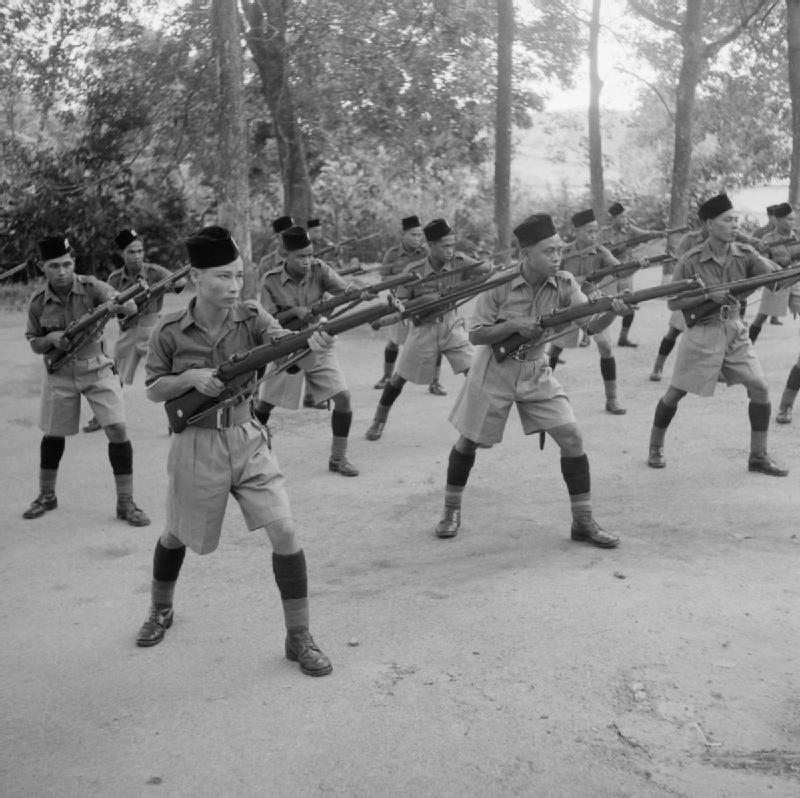
- Bukit Timah: it held British food, ammunition and spare parts, and faced a reservoir, a vital source of water.
- Pasir Panjang Ridge: today's Kent Ridge Park, close to the Alexandra area, where the main British ammunition stores and military hospital were.
- The stakes: without these places, the defenders could not keep fighting for long.
What Happened at Bukit Timah and Pasir Panjang?
Bukit Timah
- PPointBukit Timah was significant because it held supplies the defenders could not do without.
- EEvidenceIt held British food, ammunition and spare parts, and faced a reservoir. On 10–11 February 1942, Chinese volunteers fought alongside the defenders, armed only with swords, grenades and small rifles.
- EElaborationWithout food, ammunition and water, an army cannot keep fighting for long, so losing Bukit Timah left the defenders unable to hold out. After it fell, the Japanese took revenge on the nearby village.
- LLinkHence, the fall of Bukit Timah brought the British close to defeat, and it is remembered for the sacrifice of local volunteers as well as for the battle.
Pasir Panjang
- PPointPasir Panjang Ridge was significant because it guarded the defenders' main ammunition stores and military hospital.
- EEvidenceThe ridge was near the Alexandra area, with the main British ammunition stores and the military hospital. On 13–14 February 1942, the Japanese attacked and surrounded the hill. Many were killed on both sides, and the Malay Regiment was heavily .
- EElaborationHolding the ridge kept the Japanese away from the ammunition the defenders needed, so its loss removed one of the last barriers between the attackers and the city.
- LLinkThus, the defeat at Pasir Panjang let the Japanese close in on the city, pushing the British towards surrender (Video 9).
Lieutenant Adnan bin Saidi
- PPointLieutenant Adnan bin Saidi became significant as a symbol of courage.
- EEvidenceHe joined the Malay Regiment when it started, was voted best recruit, and rose to Lieutenant. At Pasir Panjang he was wounded but refused to give up. He was later captured and killed by the Japanese. His motto for his men was: "It is better to die in battle than to live with tears of regret."
- EElaborationHis refusal to give up, even when wounded and heavily outnumbered, made him an example of courage that people still remember.
- LLinkTherefore, Adnan is remembered as one of the defenders who fought to the end, even though the battle was lost.
Who Was Adnan?
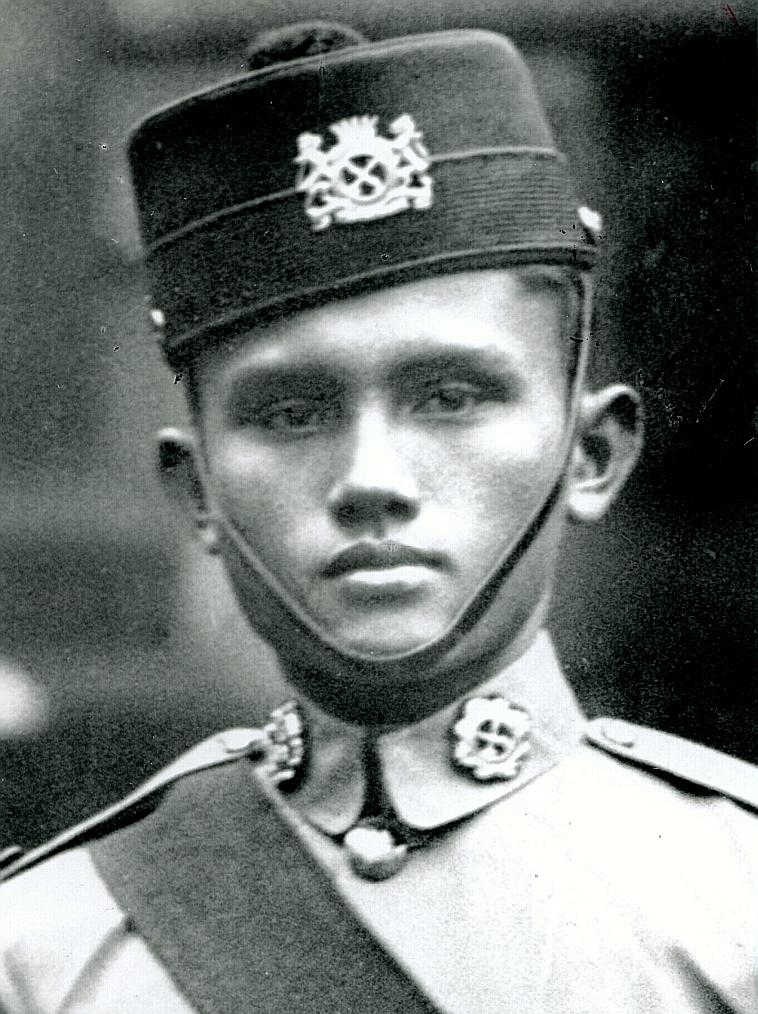
- Before the war: he was a trainee teacher in Malaya.
- The Malay Regiment: he joined when the British set it up in 1933, proved an excellent soldier, and became a Lieutenant.
- Remembered: he and the Malay Regiment fought bravely to defend Pasir Panjang, even though they were heavily outnumbered.
In One Sentence
- Bukit Timah and Pasir Panjang were significant because they held the defenders' supplies, and although Chinese volunteers and the Malay Regiment fought bravely, their loss brought the British close to surrender.
Think About It
- The Chinese volunteers had only swords, grenades and small rifles. Why do you think they chose to fight anyway?
- Both battles were lost. Does that make them any less important to remember? Why or why not?
- Adnan's motto was "It is better to die in battle than to live with tears of regret." What does that tell you about how he saw his duty?