How Did the Japanese Prepare, and Why Were Their Forces So Strong?
How Did the Japanese Prepare, and Why Were Their Forces So Strong?
The British had more soldiers, yet Japan won. These notes explain three reasons: Japan prepared carefully long before the war began, its troops were experienced and well led by General Yamashita, and it used speed and surprise, backed by control of the air and the sea. These strengths were aimed squarely at the British weaknesses, which enabled Japan's rapid advance down Malaya.
Who Had More?
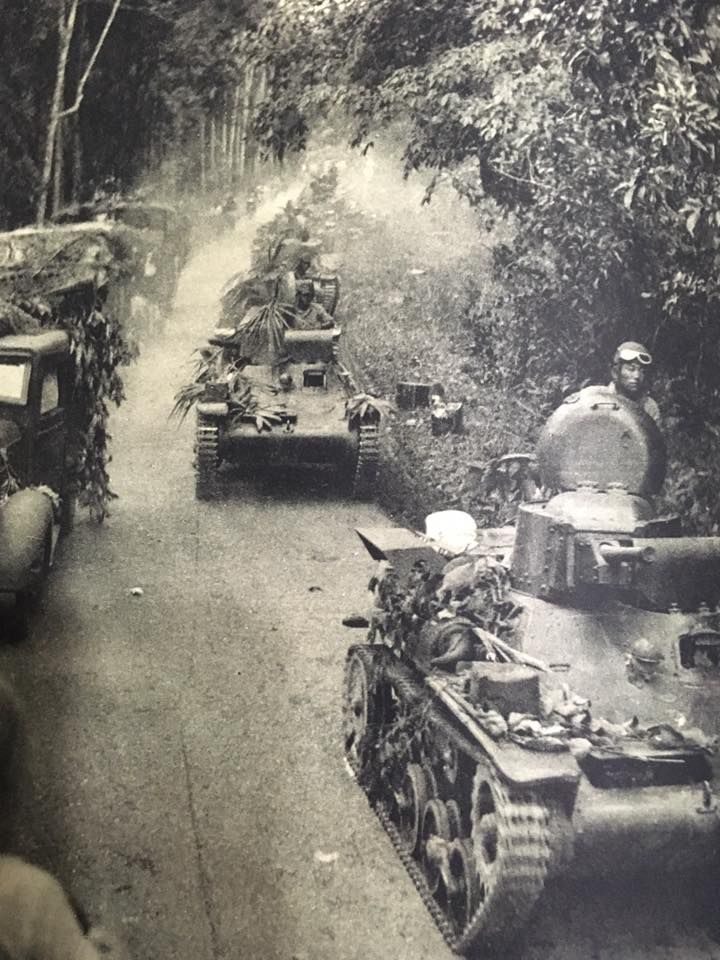
- Soldiers: the British had more combat troops, about 87,000 against about 55,000.
- Tanks: the Japanese had 80; the British had none.
- Aircraft: the Japanese had 550 to 600; the British had only 150 to 250.
- Warships: the Japanese had 11; the British had 4.
- Significance: Japan had fewer soldiers but far more of the weapons that win battles, so numbers alone do not explain the result.
How Did the Japanese Prepare, and Why Were Their Forces So Strong?
Reason 1: Careful Preparation
- PPointOne reason why the Japanese won was that they prepared carefully, long before the war began.
- EEvidenceJapanese spies disguised as tourists or barbers gathered information in Malaya and Singapore. A research unit led by Colonel Tsuji studied jungle fighting, trained soldiers and gave them a pamphlet of tips to read on the way. Tsuji planned to land in southern Thailand, march down Malaya and attack Singapore from the north, and his plan was adopted.
- EElaborationThe spies' reports on Singapore's sea defences showed the Japanese where the British were strong, so they chose to attack from the north, where the defences were weakest, with troops already trained for jungle conditions.
- LLinkHence, careful preparation let Japan aim its attack at the exact weakness the British had left open.
Reason 2: Experienced Troops and Leaders
- PPointAnother reason why the Japanese won was that their troops were experienced and well led.
- EEvidenceMany Japanese soldiers were and well supported with weapons, aircraft, warships and tanks. They were led by General Yamashita, who had led troops in northern China and Manchuria, and by young, capable, highly motivated officers. Most British troops were inexperienced, poorly trained and badly equipped.
- EElaborationSoldiers and officers who had already fought knew how to act quickly and confidently in battle, so they could outfight a larger but untested enemy.
- LLinkThus, experience and leadership gave the Japanese an advantage that greater British numbers could not cancel out.
Reason 3: Speed and Surprise
- PPointA third reason why the Japanese won was that they used speed and surprise, backed by control of the air and the sea.
- EEvidenceJapanese troops knew how to move through the jungle, used light tanks and bicycles, and carried light loads. Japan controlled the air and sea. Retreating British troops left supplies and weapons behind, which the Japanese used and called .
- EElaborationMoving fast kept the British off balance and forced repeated hurried retreats, and each retreat handed the Japanese more supplies, so the advance kept itself going and gathered pace.
- LLinkTherefore, speed and surprise turned Japan's smaller army into the winning one and enabled its race down Malaya (Video 7).
Two Armies, Side by Side
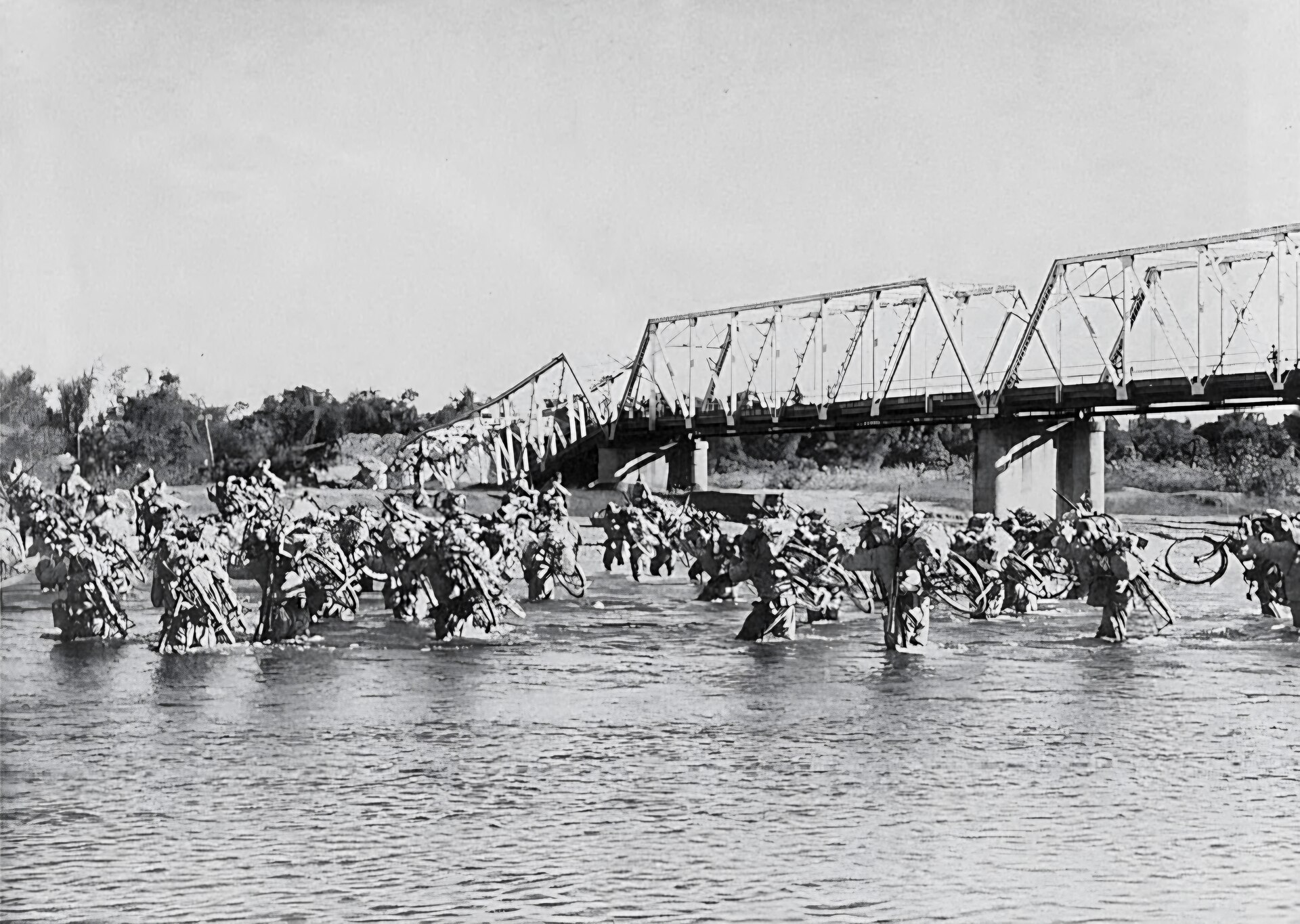
- A British soldier's view: he said the Japanese rode bicycles, "talking and laughing" as if going to a football match, and travelled as light as they could.
- The British: he said they were loaded down "like Christmas trees", so they could hardly walk, let alone fight.
- Air and sea: Japanese planes supported troops on the ground and bombed the defenders.
- Indochina: Japan controlled Indochina (today's Vietnam, Laos and Cambodia) and the South China Sea, so it could attack and send supplies without British interference.
In One Sentence
- Japan won with fewer soldiers because it prepared carefully, had experienced troops and leaders, and used speed and surprise backed by control of the air and sea, which exploited every British weakness.
Think About It
- The British had more soldiers but lost. What does that tell you about what really wins a battle?
- Japanese spies worked in Malaya for years before the war. Why do you think nobody stopped them?
- Which reason do you think mattered most: preparation, experience, or speed and surprise? Why?