What Went Wrong with the British Defences?
What Went Wrong with the British Defences?
The British had plans to defend Malaya and Singapore, but plans need planes, ships and soldiers. These notes explain three reasons why the British defences failed: Britain lacked the to carry out its plans, the forces it sent were too few and too weak, and it quickly lost control of the sea and the air. As a result, only the British army was left to stop the Japanese.
Old Planes Against New
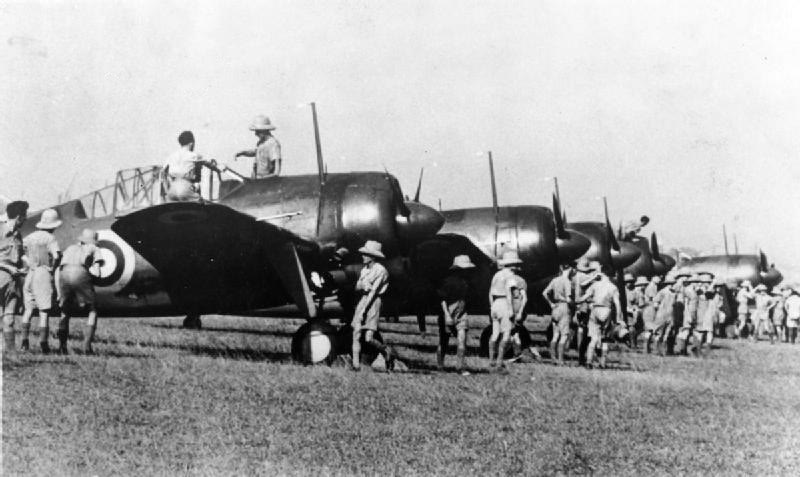
- Buffalo fighters: the British air force had mostly old Buffalo fighters, nicknamed "flying coffins" because their pilots did not last long in battle.
- Outnumbered: they were outnumbered by Japan's modern Zero fighters.
- Lost: most British fighters were destroyed, and the rest were sent away to the Dutch East Indies or Australia.
- Airfields captured: there were not enough troops to guard the airfields, so the Japanese captured many and used them to attack, turning British defences against the British.
What Went Wrong with the British Defences?
Reason 1: Limited Resources
- PPointOne reason why the British defences failed was that Britain lacked the resources to carry out its plans.
- EEvidenceBritain was fighting Germany in Europe, fighting in North Africa, and helping the Soviet Union against Germany.
- EElaborationBecause Britain's own survival came first, defending its colonies in the Far East became a low , so only a small share of its planes, ships and soldiers could be sent east.
- LLinkHence, the forces spared for Malaya and Singapore were not enough in number or in quality, which led directly to Reason 2.
Reason 2: Too Few, Too Weak
- PPointAnother reason was that the forces defending Malaya and Singapore were too few, poorly equipped and poorly trained.
- EEvidenceThe air force had mostly outdated Buffalo fighters against modern Zeros. There were no tanks and very few anti-tank weapons. Many soldiers were poorly trained, with little training for a tropical climate. The big guns could turn to face the land but did not have the right ammunition to fire at soldiers. Percival had never led such a big, mixed force in real combat.
- EElaborationOutdated planes could not win in the air, and without tanks or anti-tank weapons the troops could not stop Japanese tanks; poor training and an untested commander meant the defenders struggled to fight effectively in the jungle.
- LLinkThus, even where defences existed, they were not strong enough to stop a well-equipped invader.
Reason 3: Losing the Sea and the Air
- PPointA third reason was that the British quickly lost control of the sea and the air.
- EEvidenceBritain could send only : HMS Prince of Wales, HMS Repulse and a few escorts. On 10 December 1941, Japanese planes sank both battleships, and several hundred men died, including the admiral in command. Most British fighters were also destroyed.
- EElaborationWithout warships or enough fighters, the British could neither attack Japanese ships and planes nor protect their own troops, so Japan gained early in the campaign.
- LLinkTherefore, only the British army was left to stop the Japanese advance, and it was already outmatched.
A Mixed Force
- From many places: the defenders came from Britain, India, Australia and Malaya, plus volunteers from the Straits Settlements and Singapore.
- Hard to work together: this made it difficult for the commanders to understand and work with one another.
- Mixed feelings: some units fought bravely, but many soldiers did not feel it was their duty to sacrifice themselves for the colonies, which weakened their will to fight.
- Few locals: the British were reluctant to ask local people to help, so only a few local forces were raised, often with very little training and equipment.
What Happened to Force Z
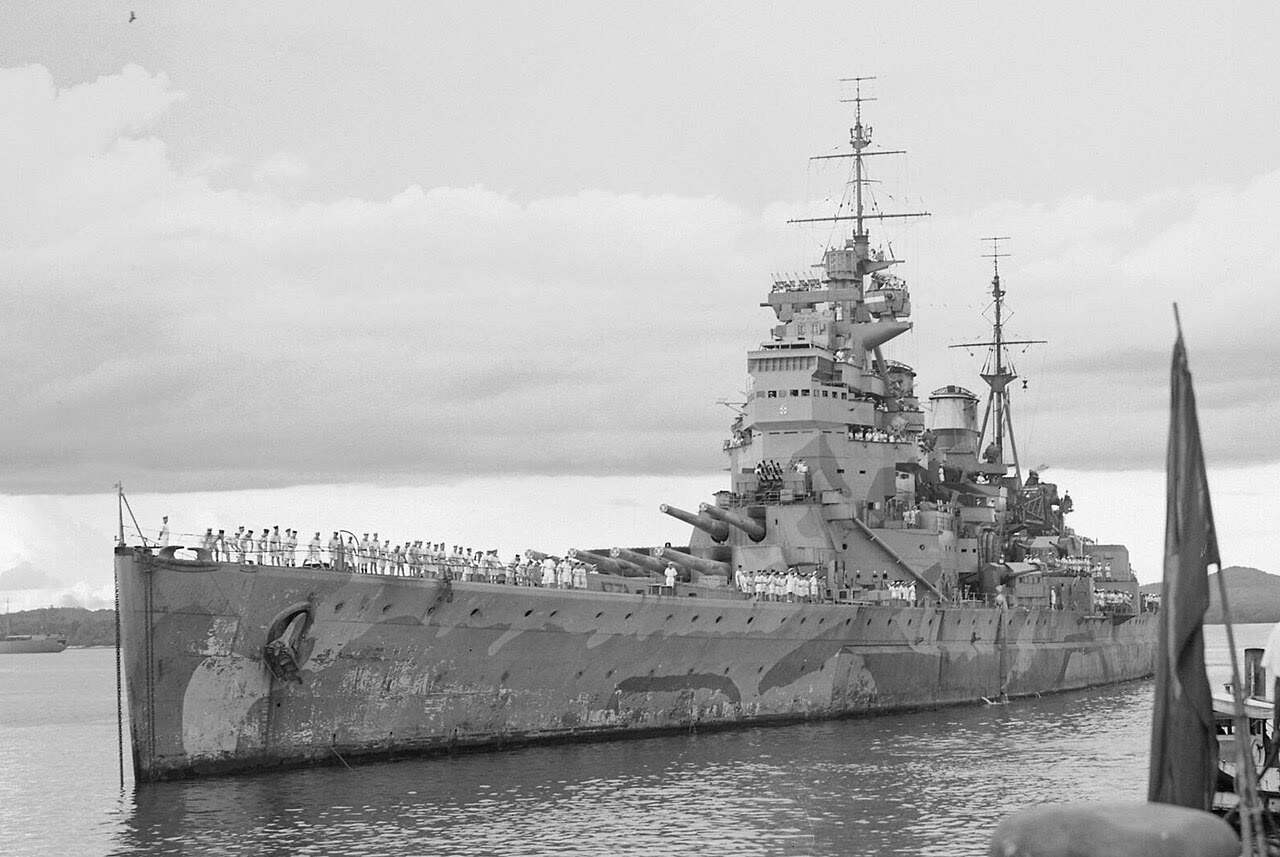
- 8 December 1941: Force Z sailed from the naval base towards Kuantan, where the British thought Japanese soldiers would land.
- 10 December: Japanese planes spotted the fleet, then bombed and sank both battleships.
- The impact: it was a serious blow to British naval power in the region, leaving Singapore without the warships its defence depended on.
Keeping People Calm
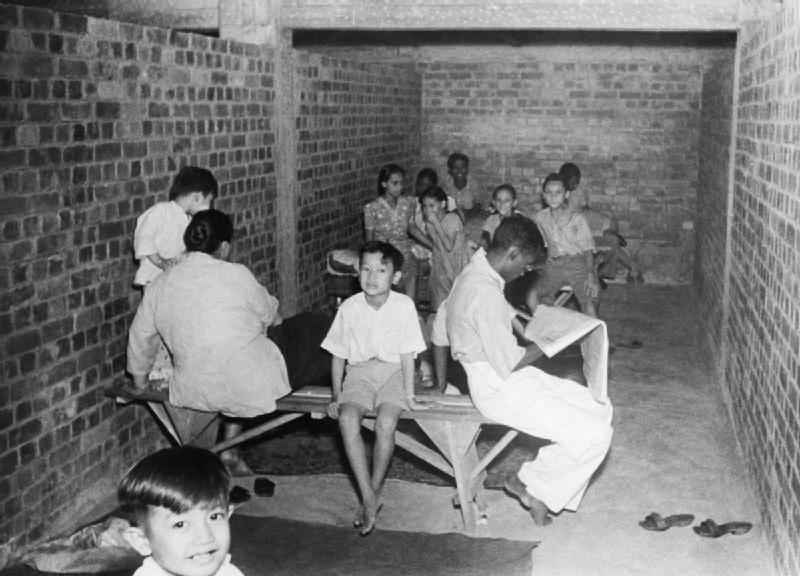
- The news: a teacher remembered that radio and newspapers tried to play down the loss of Force Z.
- The message: people were urged to stay strong, loyal and confident, and were told that many more soldiers were coming.
- The effect: the teacher said people felt comforted and reassured, even though the military situation was getting worse.
In One Sentence
- The British defences failed because Britain lacked resources, its forces were too few and too weak, and it quickly lost the sea and the air, leaving only an outmatched army to stop the Japanese.
Think About It
- Which problem do you think hurt the British most: too few resources, weak forces, or losing the sea and the air? Why?
- Why might soldiers from many different places find it hard to fight well together?
- Radio and newspapers told people that more soldiers were coming. Why might the British have wanted people to feel calm, even when things were going badly?