Was Singapore Really an "Impregnable Fortress"?
Was Singapore Really an "Impregnable Fortress"?
Japan wanted Singapore for Malaya's resources, for control of the Straits of Melaka, as a base for further attacks and as a boost to national pride. These notes explain three ways the British built Singapore up as an " ": a naval base, , and big guns and . However, the whole "Singapore " depended on a fleet from Britain that might never come, a flaw that tied the defence of Singapore to the defence of Malaya.
Why Japan Wanted Singapore
- Resources: Malaya's tin and rubber would support Japan's industries and war production.
- A shipping route: holding Singapore would give Japan control of the vital Straits of Melaka.
- A base: Singapore's port and location made it ideal for attacks on the Dutch East Indies, and possibly Australia.
- Pride: conquering Britain's stronghold would be a great boost to Japan's national pride.
The "Singapore Strategy"
- Strategy: a broad, long-term plan to reach a goal.
- The problem: Britain was exhausted by World War I and its people did not want to keep spending on the military, so it could not keep a large army in Asia.
- The plan: build a large, modern naval base in Singapore and, if war came, send a fleet from Britain to protect the empire.
- Until then: Singapore would rely on its own defences while the fleet was on its way.
Was Singapore Really an "Impregnable Fortress"?
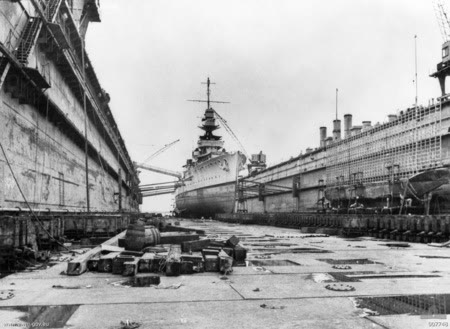
Way 1: The Naval Base
- PPointOne way the British built up Singapore's defences was by building a large, modern naval base.
- EEvidenceIn 1921 the British decided to build the base at Sembawang in northern Singapore. It opened in 1938, and by 1941 the base and its defences were complete.
- EElaborationSingapore was chosen for its location and its importance as a port. The base was where the fleet from Britain would be stationed if war came, which allowed Britain to plan to defend its eastern empire without keeping a large force there all the time.
- LLinkHence, the naval base was the heart of the Singapore strategy, but it was only useful if the fleet actually came.
Way 2: The Airfields
- PPointAnother way the British built up Singapore's defences was by building military airfields.
- EEvidenceBy 1941 there were military airfields at Tengah, Sembawang and Seletar. Kallang Airport, opened in 1937 for ordinary flights, was used by the military when the Japanese invaded.
- EElaborationFighter planes based on the island could attack enemy ships and planes before they got close, adding air power to the naval defences.
- LLinkThus, the airfields strengthened the fortress, but only if there were enough modern planes, and enough troops to guard them.
Way 3: Guns and Bunkers
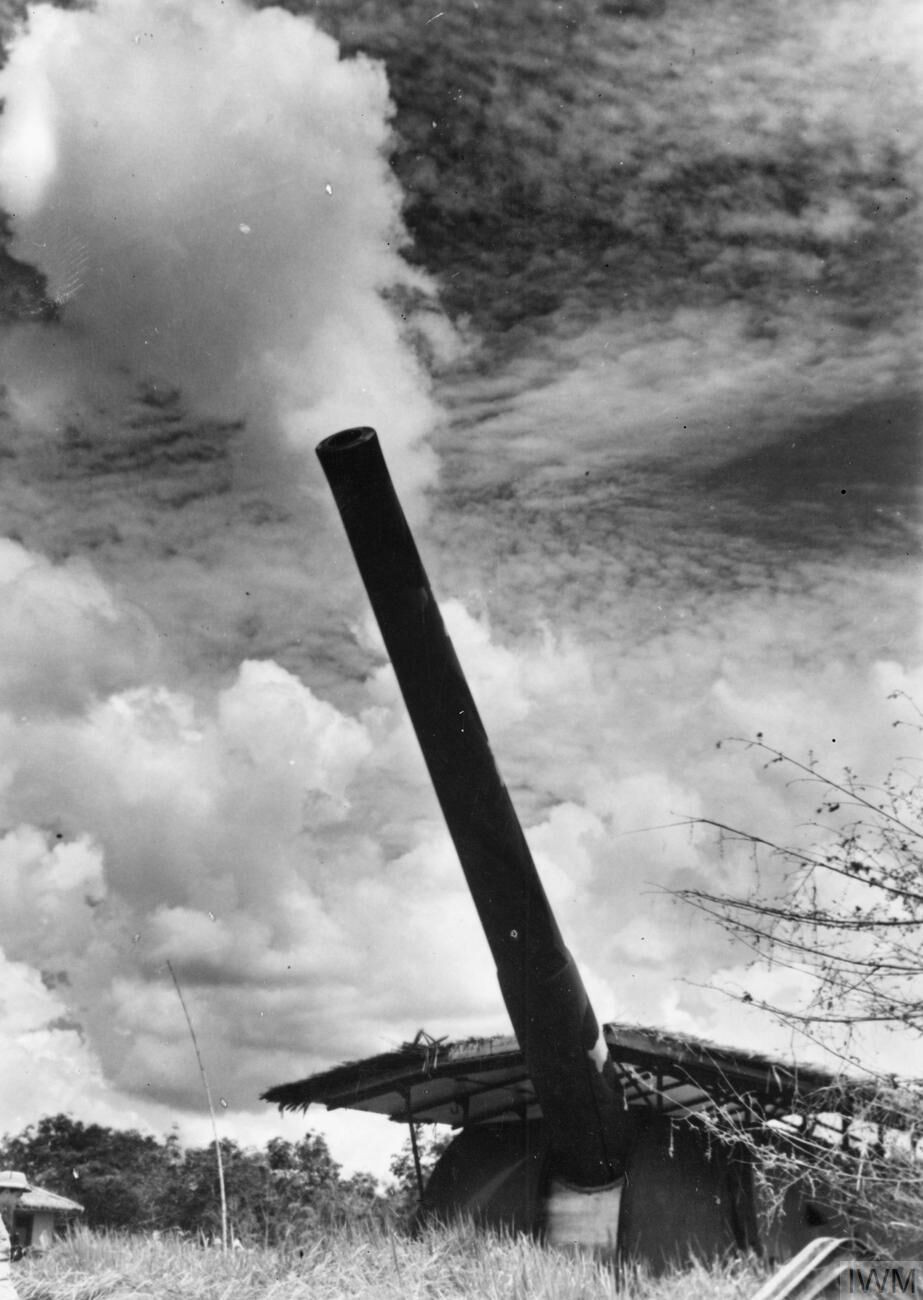
- PPointA third way the British built up Singapore's defences was with big coastal guns and underground bunkers.
- EEvidenceGun positions faced attacks from the sea, and the biggest guns fired 15-inch shells. Bunkers were hidden all over the island; one of the biggest networks, the Battlebox, was at Fort Canning, the British headquarters.
- EElaborationTogether with the naval base, the airfields and Malaya's thick jungles, these defences made Singapore look so strong that an attack seemed hopeless.
- LLinkTherefore, by the late 1930s many people believed Singapore was an impregnable fortress, a belief that hid how much it depended on the fleet.
The Flaw: Waiting for the Fleet
- 1921: the fleet would take 42 days to reach Singapore, with 20 ships.
- 1938: it would take 70 days, with 8 ships.
- 1939: when war broke out in Europe, it would take 180 days, and the number of ships was unknown.
- The mistake: the plan assumed Europe would stay peaceful; once war came, Britain needed its ships at home.
- The impact: Singapore would have to hold out alone for longer and longer, which made the defence of Malaya vital (Video 4).
Comparing Sources
- Understand the question, for example: was Singapore really a fortress?
- Identify the criterion for comparison: what both sources say about whether Singapore was a fortress.
- Make an inference from each source. A clerk in the 1930s saw "a lot of big guns"; a British official after the war said Singapore was not "fortified" in any way.
- Match the inferences: are the sources similar or different? Here, they disagree.
In One Sentence
- Japan wanted Singapore for resources, a shipping route, a base and national pride, while the British built a naval base, airfields, and guns and bunkers, but their whole "Singapore strategy" depended on a fleet that might never come.
Think About It
- The "Singapore strategy" depended on a fleet arriving from Britain. What could go wrong with a plan like that?
- The fleet's journey grew from 42 days to 70, then 180, while the number of ships fell. What does this pattern tell you?
- A clerk thought the defences were "quite good", but a British official said Singapore was not "fortified" at all. Why might two people see the same defences so differently?