What Led to War, and Who Are the Key Figures?
What Led to War, and Who Are the Key Figures?
Singapore fell to the Japanese on 15 February 1942, only 70 days after Japanese troops first landed in northern Malaya. These notes set out the timeline from Japan's in the 1800s to the outbreak of war in Asia in December 1941, the key people on both sides and their impact, and the chapter's central concept: causation, used to judge whether the fall of Singapore was inevitable.
Why it matters
This showed Japan how far it had fallen behind the West. As a result, Japan decided it had to catch up, which set it on the path to becoming a modern power.
Why it matters
This marked the start of Japan's rise as an industrial power with new factories, railways and a modern army. However, Japan lacked natural resources, so its industries came to depend on supplies from abroad.
Why it matters
This was significant because it left Britain exhausted and unwilling to keep a large army in Asia, while Germany was defeated. Both outcomes shaped the causes of and the British plan to defend Singapore.
Why it matters
As a result, Germany's economy was in ruins and its people suffered great hardship. These circumstances helped Hitler win support and come to power, which contributed to the outbreak of war in Europe (Video 2).
Why it matters
This marked the start of the "Singapore strategy": build a naval base, and send a fleet from Britain if war came. The whole defence of Singapore came to depend on that fleet (Video 3).
Why it matters
This was significant because Hitler rebuilt Germany's army and turned its wish to be a great power again into a real military threat. This contributed to the war in Europe that later tied down Britain's forces.
Why it matters
This showed that Japan was setting out to build an empire in Asia to gain the resources it lacked. As a result, the danger in Asia grew even before Singapore's naval base was ready.
Why it matters
This marked the completion of the heart of the Singapore strategy. However, it opened only one year after Japan invaded China, which suggests that Britain's defences were struggling to keep pace with the growing danger.
Why it matters
As a result, Britain needed its ships at home to fight Germany. This weakened the Singapore strategy, because the fleet the naval base was built for might never come.
Why it matters
This left Britain fighting alone in Western Europe, so it could spare little for its Asian colonies. At the same time, without oil Japan's industries were in danger, which pushed Japan towards Southeast Asia (Video 2).
Why it matters
This marked the spread of World War II to Asia. Japan struck the American navy and Malaya at the same time, so that it could seize Southeast Asia's resources without the United States interfering.
Why it matters
This ended more than a hundred years of British rule, only 70 days after the first Japanese landings. It is often called one of the greatest British military disasters of World War II, which raises the chapter's question: did Singapore have to fall?
Seventy Days
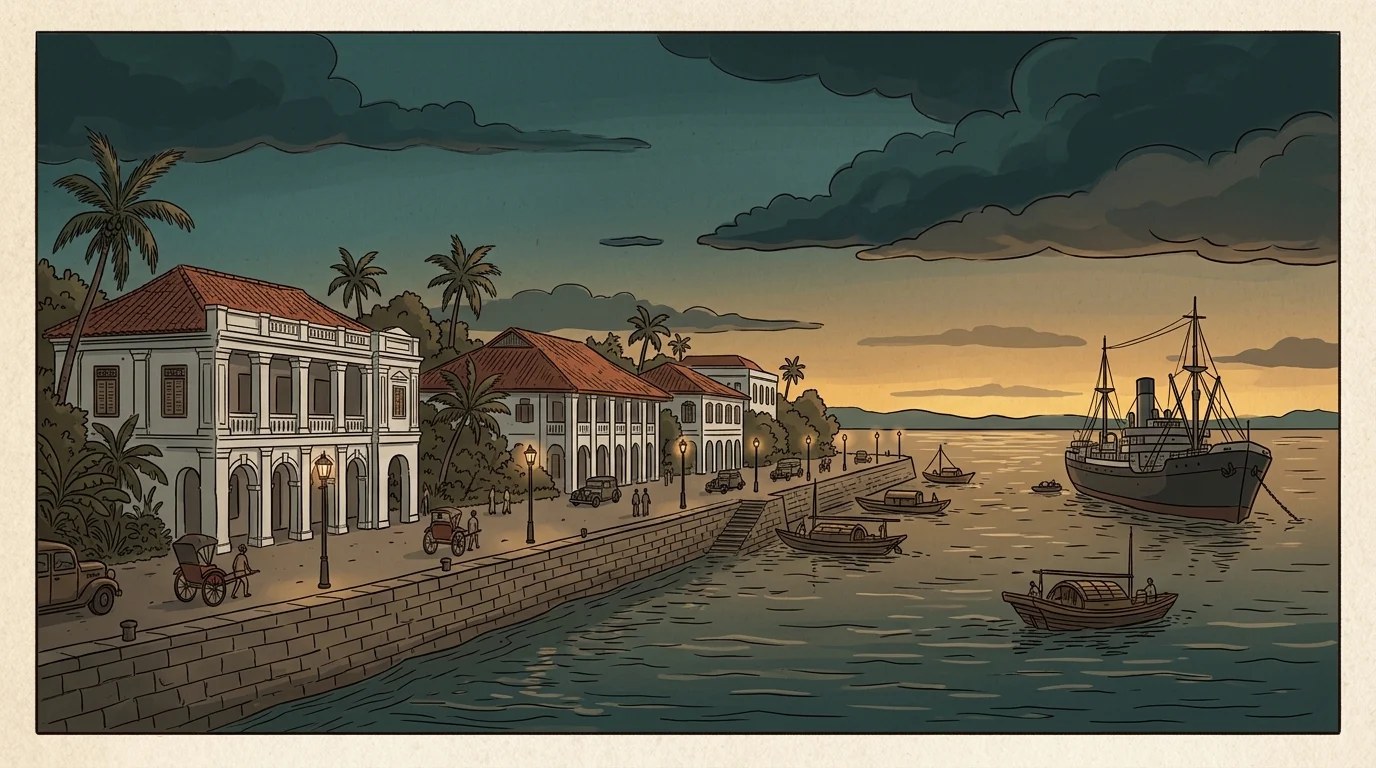
- A long peace: under British rule, Singapore had enjoyed a long period of peace.
- War spreads: World War II broke out in Europe in 1939 and spread to Asia in December 1941.
- A rapid fall: by 15 February 1942, only 70 days after the first Japanese landings in northern Malaya, Singapore had fallen.
- Significance: the fall is often called one of the greatest British military disasters of World War II, because a defence built up over about twenty years collapsed in weeks.
It Started Far Away
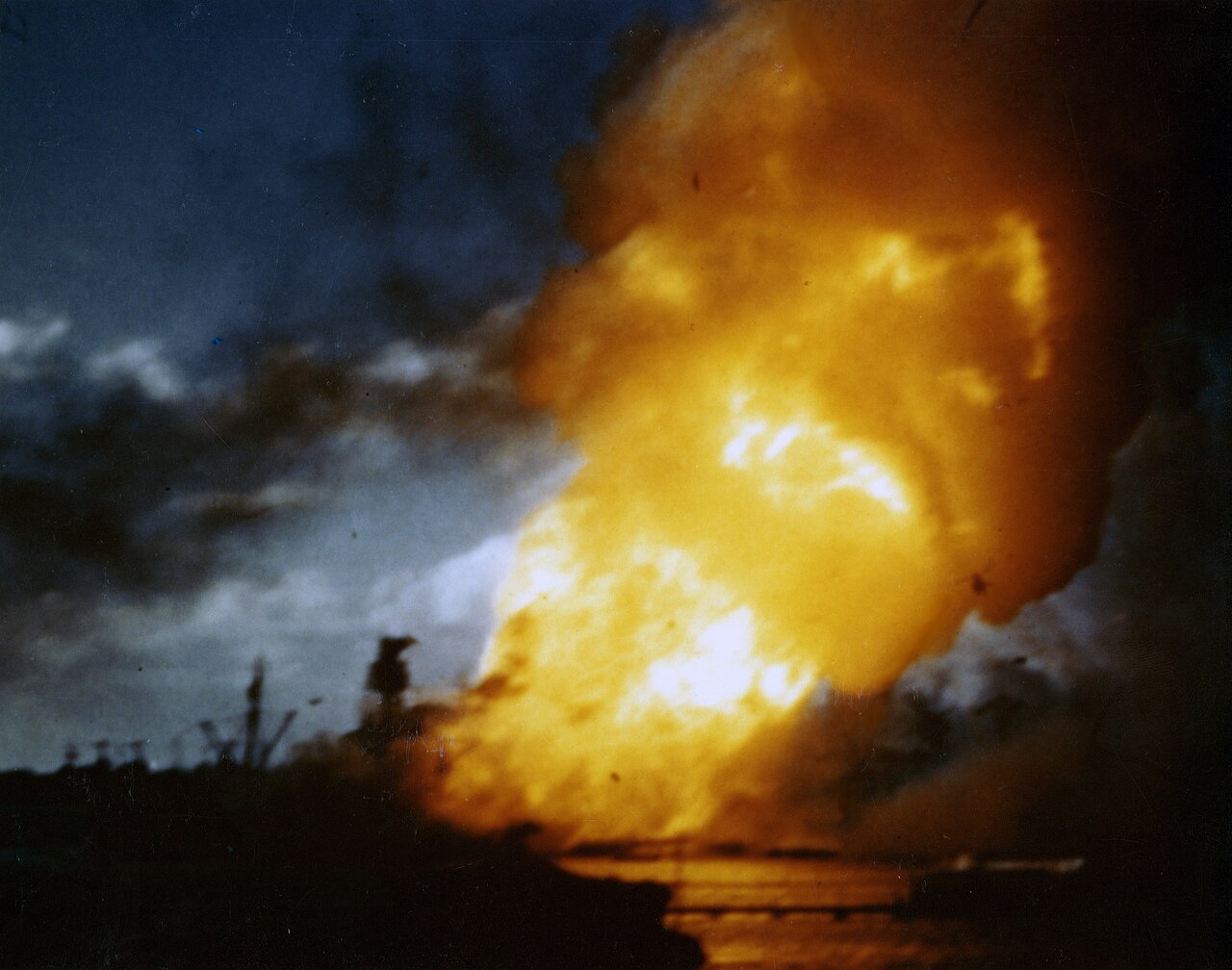
- Japan: the arrival of American warships in 1853 led Japan to begin modernising in 1868, which turned it into an industrial power hungry for resources.
- Germany: the peace treaty that ended World War I in 1919 left Germany badly weakened, which helped Adolf Hitler come to power in 1933.
- War: World War II began in Europe in 1939. In December 1941, Japan attacked Pearl Harbor and landed in southern Thailand and northern Malaya.
- The linkage: events far beyond Singapore set the context for its fall.
Key People and Their Impact
- Adolf Hitler: Nazi leader from 1933 whose war in Europe from 1939 tied down Britain's forces at home.
- Winston Churchill: Britain's Prime Minister from 1940, who put the defence of Britain before its colonies in Asia, so fewer resources reached Malaya and Singapore.
- Colonel Tsuji: led the Japanese research unit whose plan, to land in southern Thailand and attack down Malaya from the north, struck where the British were weakest.
- General Yamashita: led the invading army; his experience, his decoy attack and his bluff at the surrender helped Japan win quickly. People later called him the "Tiger of Malaya".
- Percival: commanded the British forces in Malaya and Singapore, but had never led such a big, mixed force in real combat; he surrendered on 15 February 1942.
- Lieutenant Adnan bin Saidi: fought with the Malay Regiment at Pasir Panjang and became a symbol of courage.
The Historian's Tool: Causation
- Causation: historians study the causes of key events; one event does not always lead neatly to the next.
- Context: the bigger setting of an event, such as the war in Europe.
- Circumstances: the local, immediate conditions, such as how well prepared each side was.
- Historical actors: the people who made key decisions, such as Churchill, Percival and Yamashita.
- Linkages: the best answers explain how these causes worked together, not just list them.
The Chapter's Questions
- Why did the Japanese invade Singapore during World War II?
- Why did Singapore fall to the Japanese, and so quickly?
- Could Singapore have been defended against the Japanese?
In One Sentence
- Singapore fell to the Japanese in just 70 days, and this chapter uses context, circumstances and historical actors to explain why Japan invaded, why Singapore fell so fast, and whether its fall was inevitable.
Think About It
- Many events on the timeline happened "beyond Singapore". Why might events in Germany or the United States matter so much to Singapore?
- The British spent about twenty years on the naval base and its defences, yet Singapore fell in 70 days. What questions would you ask to find out why?
- Which do you think matters most in explaining an event: the context, the circumstances, or the decisions people make? Why?