So, Did Singapore Have to Fall?
So, Did Singapore Have to Fall?
Was the fall of Singapore , meaning certain to happen whatever anyone did? These notes weigh three lenses: the of Britain's war on several fronts, the of British weaknesses against Japanese strengths, and the choices of . The : the fall was not completely inevitable, since British choices made it quicker, but it was very hard to prevent, because the wider war shaped both Britain's weaknesses and Japan's opportunity.
Three Lenses
- The question: could the defeat have been prevented, or would it have happened anyway?
- International context: what was happening in the wider world, such as the war in Europe.
- Local circumstances: how ready and well prepared the British and Japanese forces were.
- Historical actors: the choices of leaders such as Churchill, Percival and Yamashita.
So, Did Singapore Have to Fall?
Lens 1: International Context
- PPointOne reason why the fall was very hard to prevent was the international context: Britain was fighting on several fronts.
- EEvidenceBritain was fighting in Europe and North Africa as well as Asia, and was helping the Soviet Union, all with limited resources. After Pearl Harbor, the United States was rebuilding its forces, so Japan could focus on Southeast Asia.
- EElaborationBecause Britain's attention and resources were split, it could not send the fleet or the modern forces the Singapore strategy relied on, while Japan could concentrate its strength on one region.
- LLinkHence, the wider war gave Japan the advantage before the fighting began, and it caused many of the local British weaknesses.
Lens 2: Local Circumstances
- PPointThe local circumstances also made the fall very likely, because the defenders were far less prepared than the attackers.
- EEvidenceThe British had no tanks against Japan's 80, and old Buffalo fighters against modern Zeros; there was poor planning and training, and the north coast was lightly defended. The Japanese had used spies, trained for the jungle and planned their attack carefully.
- EElaborationJapanese strengths were aimed precisely at British weaknesses: troops trained for the jungle attacked from the north, which the British had left lightly defended, and control of the air and sea removed the support the defenders needed.
- LLinkThus, together with the world situation, the local circumstances made defending Singapore a very difficult, if not impossible, task.
Lens 3: Historical Actors
- PPointThe choices of historical actors mattered, but they probably changed how fast Singapore fell rather than whether it fell.
- EEvidenceChurchill put the defence of Britain before Singapore. Percival spread his troops along the whole north coast, and his orders to withdraw were misunderstood. Yamashita used a fake attack on Pulau Ubin and bluffed at the surrender.
- EElaborationSending more forces would have been hard for Churchill while Britain fought for its own survival, a better British commander was unlikely to win against such odds, and a weaker Japanese commander would probably still have won, only more slowly or at a higher cost.
- LLinkTherefore, the historical actors explain the speed of the fall more than its outcome.
Who Was Winston Churchill?
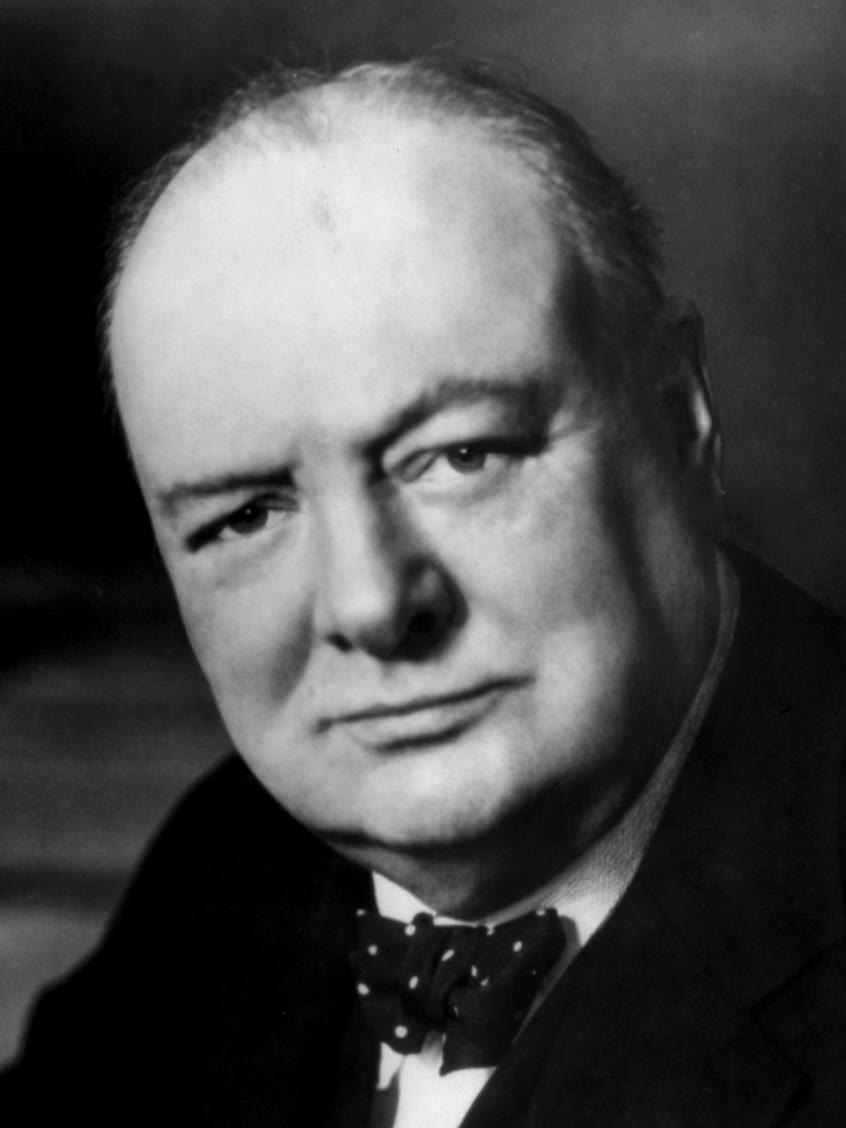
- Prime Minister: he became Britain's Prime Minister in May 1940 and refused to surrender to Germany.
- Britain first: for him, defending Britain itself mattered more than defending colonies in Asia, including Singapore, so fewer resources reached Malaya.
- Remembered: his speeches and determination helped lead the British people towards victory in the war.
Making a Judgement
- British weaknesses: relying on a fleet that never came, leaving the north coast weak and sending too few, outdated forces made the defeat quicker; better choices might have delayed it.
- Japanese strengths: careful preparation, experienced troops and speed and surprise let Japan exploit those weaknesses and take Singapore in just 70 days.
- External factors: Britain's war on several fronts caused many of its local weaknesses and lay beyond the control of leaders in Singapore.
- Judgement: the fall was not completely inevitable, but it was very hard to prevent, because the most important cause, the wider war, shaped both the British weaknesses and Japan's opportunity.
- What it meant: 123 years of British rule were broken, and people in Singapore faced Japanese rule with uncertainty, anxiety and fear.
In One Sentence
- With Britain stretched across several fronts, its local defences weak and Japan well prepared, the fall of Singapore was not completely certain, since British choices sped it up, but it was very hard to prevent.
Think About It
- Which lens do you think explains the fall best: the international context, the local circumstances or the historical actors? Why?
- Was it fair for Churchill to put Britain first and send fewer resources to Singapore? Explain your view.
- If you could change one British decision, which would you choose, and do you think it would have saved Singapore?