Why Did the British Surrender on 15 February 1942?
Why Did the British Surrender on 15 February 1942?
On 15 February 1942, the first day of the Lunar New Year, the battle for Singapore ended. These notes explain two reasons why the British surrendered: they could not keep fighting without huge losses, so the commanders at Fort Canning decided to surrender, and Yamashita's at the Ford Motor Factory convinced Percival to give up at once. The surrender shows how historical actors affected how quickly Singapore fell.
15 February 1942
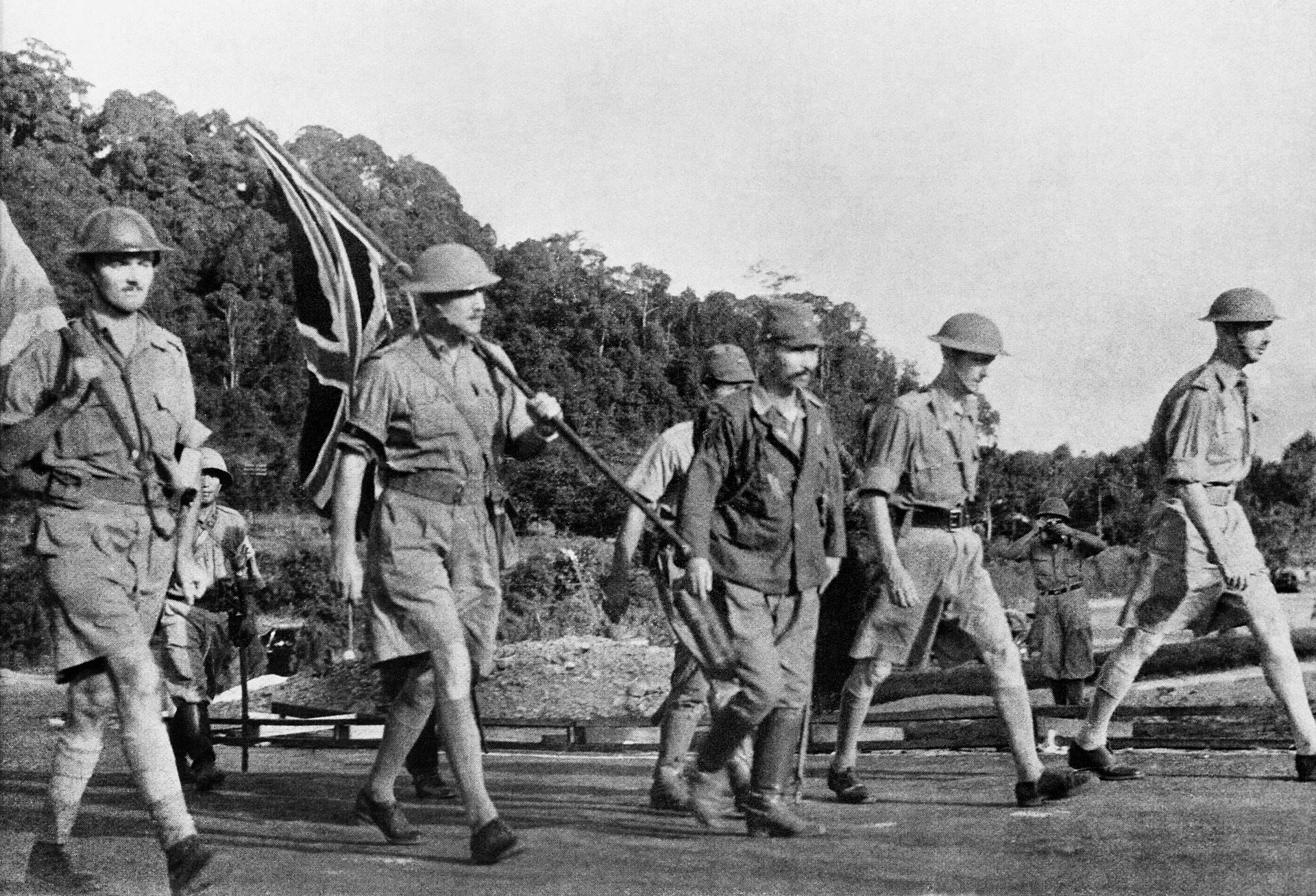
- Morning: the British commanders met in the underground bunker at Fort Canning, called the Battlebox.
- Percival's plan: he wanted to counter-attack one more time.
- His commanders: they were against it.
- Afternoon: Percival met Yamashita at the Ford Motor Factory in Bukit Timah.
Why Did the British Surrender on 15 February 1942?
Reason 1: The Decision at Fort Canning
- PPointOne reason why the British surrendered was that they could not keep fighting without huge losses.
- EEvidenceBy 15 February 1942 the soldiers were exhausted, and supplies of food, water and ammunition were running out. The Japanese were moving into the city. At Fort Canning, Percival's commanders opposed his plan for one more counter-attack.
- EElaborationWith the Japanese entering the city, further resistance would have meant street fighting, and without supplies the defenders had little hope of success, so carrying on would only have caused many more .
- LLinkHence, the commanders decided that surrendering was better than more .
Reason 2: The Bluff That Worked
- PPointAnother reason why the British surrendered was that Yamashita's bluff convinced Percival to give up at once.
- EEvidenceAt the Ford Motor Factory, Yamashita demanded immediate surrender, and Percival agreed under pressure. The Japanese were also desperately short of ammunition and men, but Percival did not know that.
- EElaborationBy hiding his own weakness and pressing for an immediate answer, Yamashita made further resistance seem hopeless, so the British gave up rather than test how long the Japanese could last.
- LLinkTherefore, the bluff ended the battle for Singapore, showing how one leader's choice affected how quickly Singapore fell.
At the Ford Motor Factory
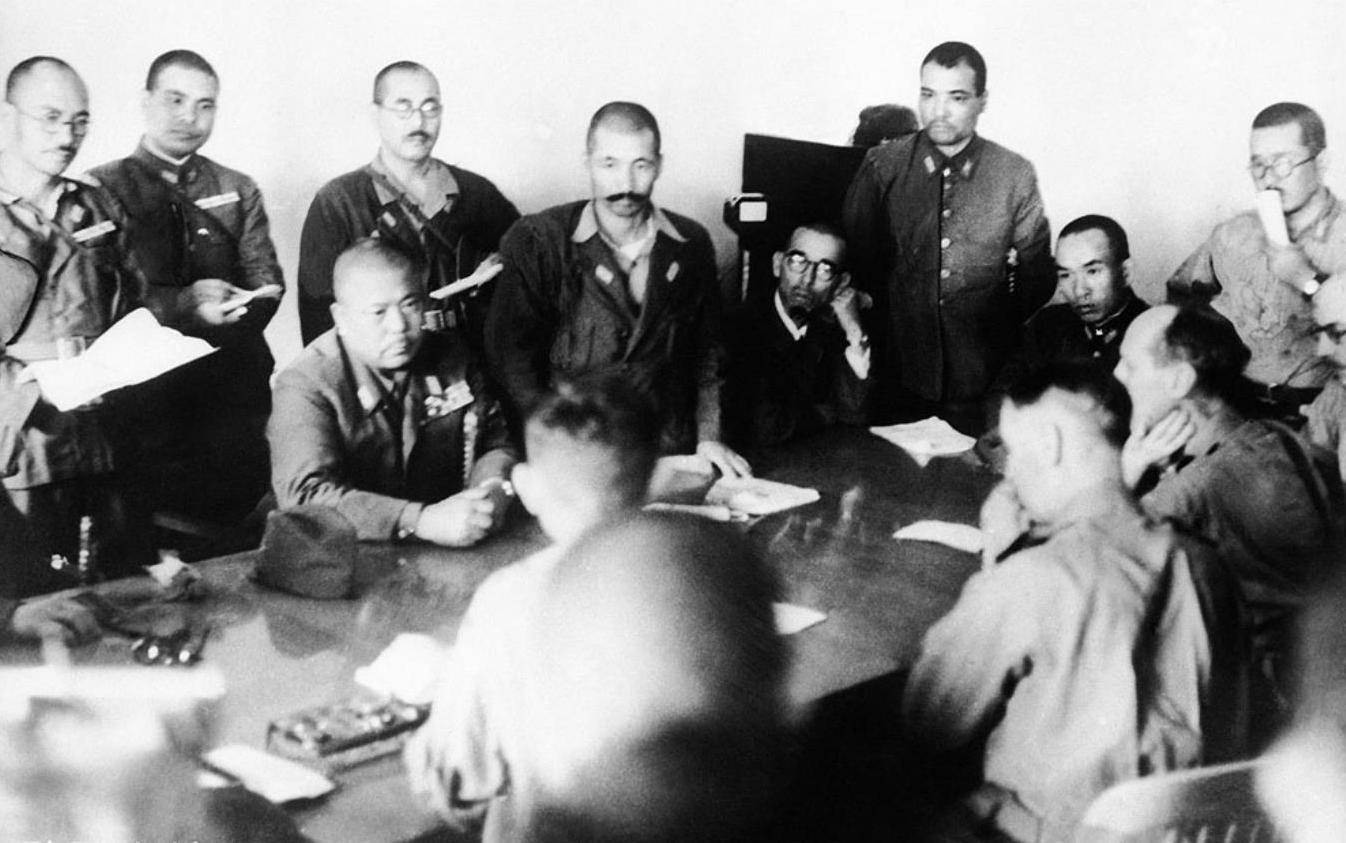
- The demand: Yamashita demanded that the British surrender immediately.
- The answer: under pressure, Percival agreed.
- The secret: the Japanese might not have been able to carry on fighting much longer. Percival never knew.
- The question this raises: if the attackers were close to their limit too, was the fall really certain? (Video 10)
In One Sentence
- The British surrendered because exhausted troops and dwindling supplies meant more fighting would bring huge losses, and Yamashita's bluff hid how weak the Japanese were too.
Think About It
- Percival wanted to counter-attack, but his commanders said no. Who do you think was right, and why?
- If Percival had known the Japanese were short of men and ammunition, do you think he would have surrendered? Why?
- Should we judge a leader by what he knew at the time, or by what we know now? Explain.