Who Came to Singapore, and Where From?
Who Came to Singapore, and Where From?
Singapore's population grew from about 150 people in 1819 to 227,000 by 1901, and most were . These notes cover how fast the population grew and why the growth sped up after 1871, where the migrants came from, and the groups of mixed descent who were already part of the region. This growing, diverse population provided the traders and workers the port city needed.
A Population Explosion
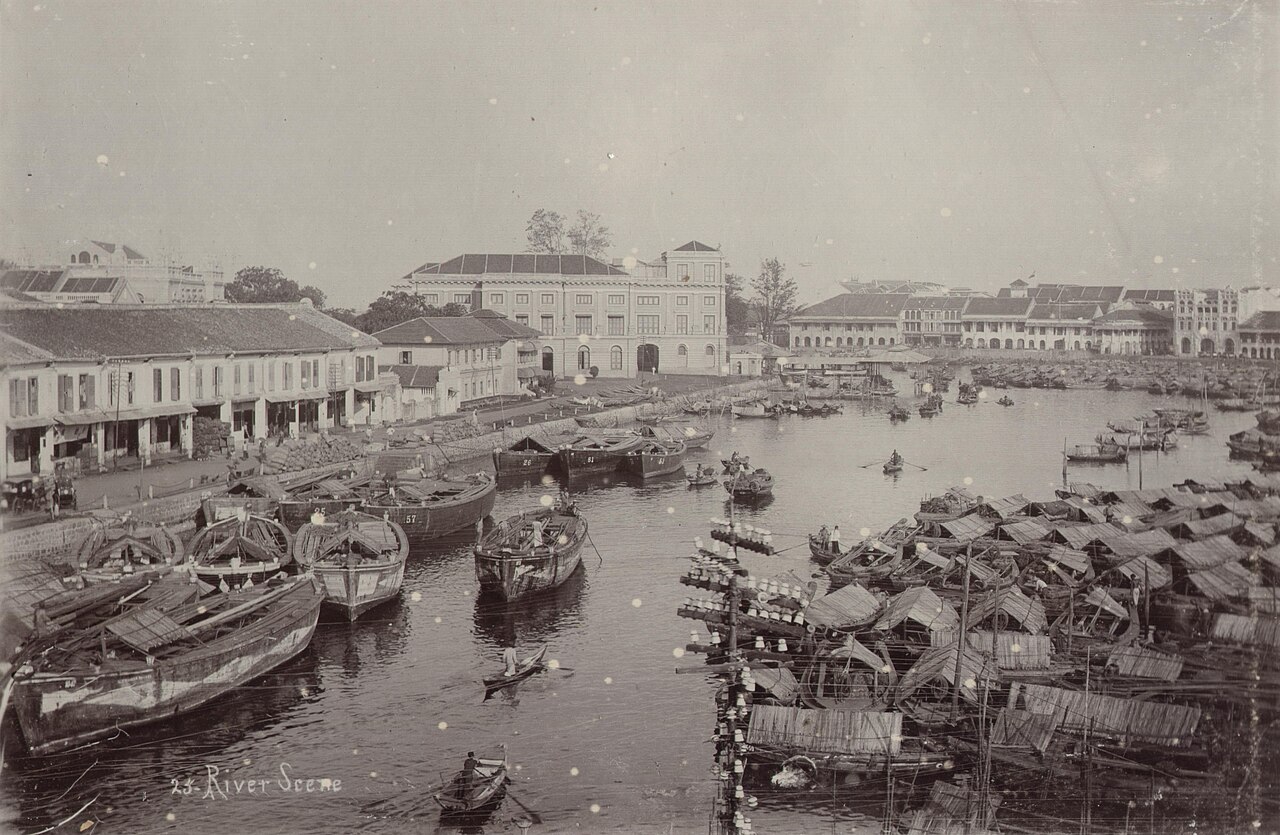
- The numbers: about 150 people in 1819, about 11,000 in 1824 and 227,000 in 1901, about twenty times bigger in under eighty years.
- Who they were: most were migrants, and most were young men who came alone, giving the port a large workforce.
- Not here to stay: many planned to go home once they had earned enough money.
Reading the Graph
- Title: what does it show? in Singapore, 1824 to 1901.
- Trend: the population rose at every count, and the jumps grew bigger after 1871.
- Explain: steamships, the Suez Canal (1869) and tin led to more trade and more jobs, which drew more migrants.
Where Did They Come From?
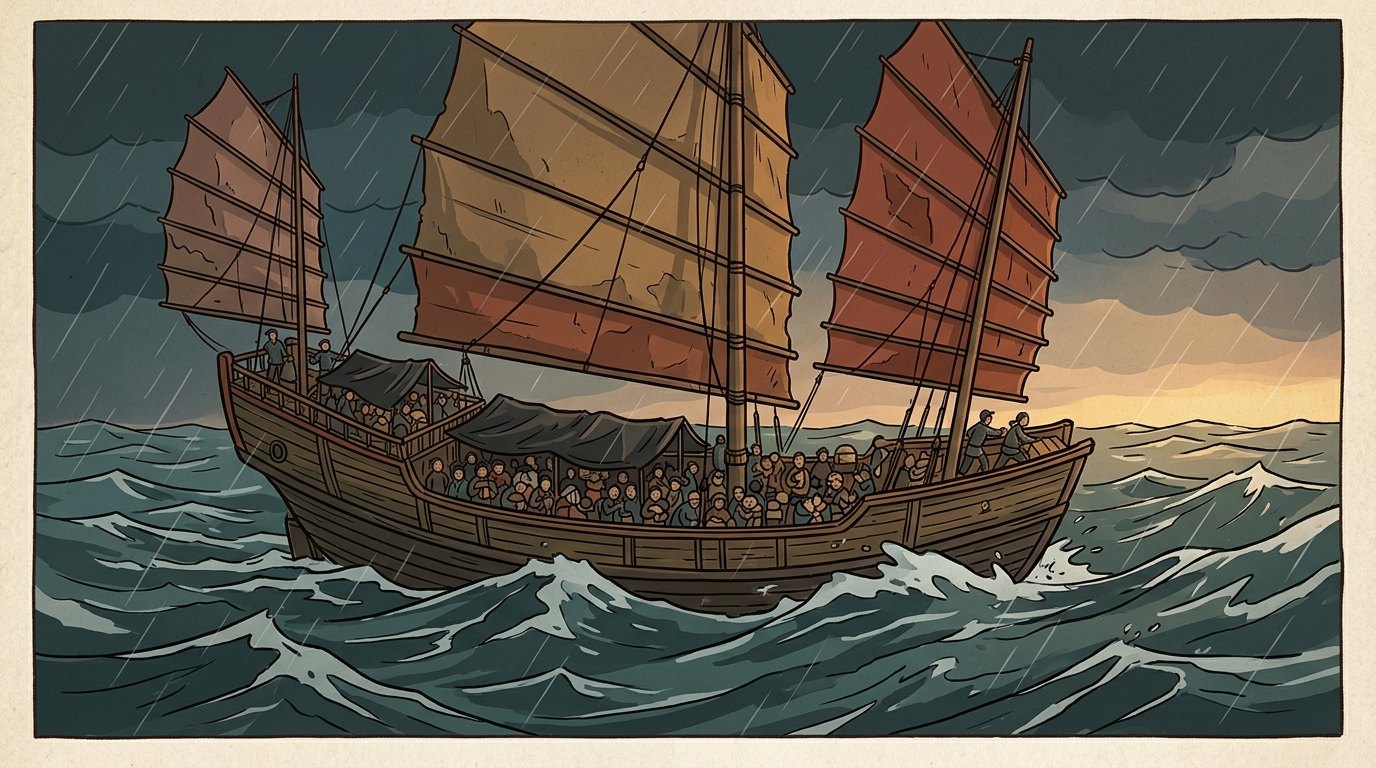
- China: mostly the southern provinces. Hokkiens came from Fujian; Cantonese, Teochews and Hakkas from Guangdong; Hainanese from Hainan Island.
- India and Ceylon: mostly Tamils from Madras and Nagapattinam, and Tamils and Sinhalese from Ceylon. Punjabis, Sikhs, Bengalis, Gujaratis and Parsees came from northern India.
- The Malay Archipelago: Malays, Javanese, Baweanese from Bawean Island, and Bugis from Celebes.
- Europe and Arabia: mostly British, plus other Europeans. Arabs came mainly from Hadhramaut, in present-day Yemen, many as traders.
Mixed Descent
- Chinese Peranakans: also called Chinese, of mixed Chinese and Malay descent; their languages later made them valuable go-betweens in trade.
- Jawi Peranakans: of mixed Indian-Muslim and Malay descent.
- Eurasians: of mixed Asian and Portuguese, Dutch or British descent, mostly from Melaka.
Counting Everyone
- Census: an official count of everyone living in a place.
- 1891: the biggest single group was the Hokkiens, about 46,000 people.
- Next: the Teochews, Cantonese and Malays, with over 22,000 each.
In One Sentence
- Singapore's population grew about twentyfold in under eighty years, mostly through young male migrants from China, India and Ceylon, the Malay Archipelago, Europe and Arabia, providing the workers and traders the port city needed.
Think About It
- Most migrants were young men who came alone. How might that have shaped life in early Singapore?
- Many migrants planned to go home one day. How might that change the way they felt about Singapore?
- Why do you think the population grew fastest after 1871?