So, What Role Did the People of Singapore Really Play?
So, What Role Did the People of Singapore Really Play?
This video answers the chapter question. and brought who mostly came to earn as much money as they could, as fast as they could. In doing so they played three roles in Singapore's development as a port city: , and . Together with British rule and world events, they helped Singapore flourish, even though the British never treated them as equals.
How It Began
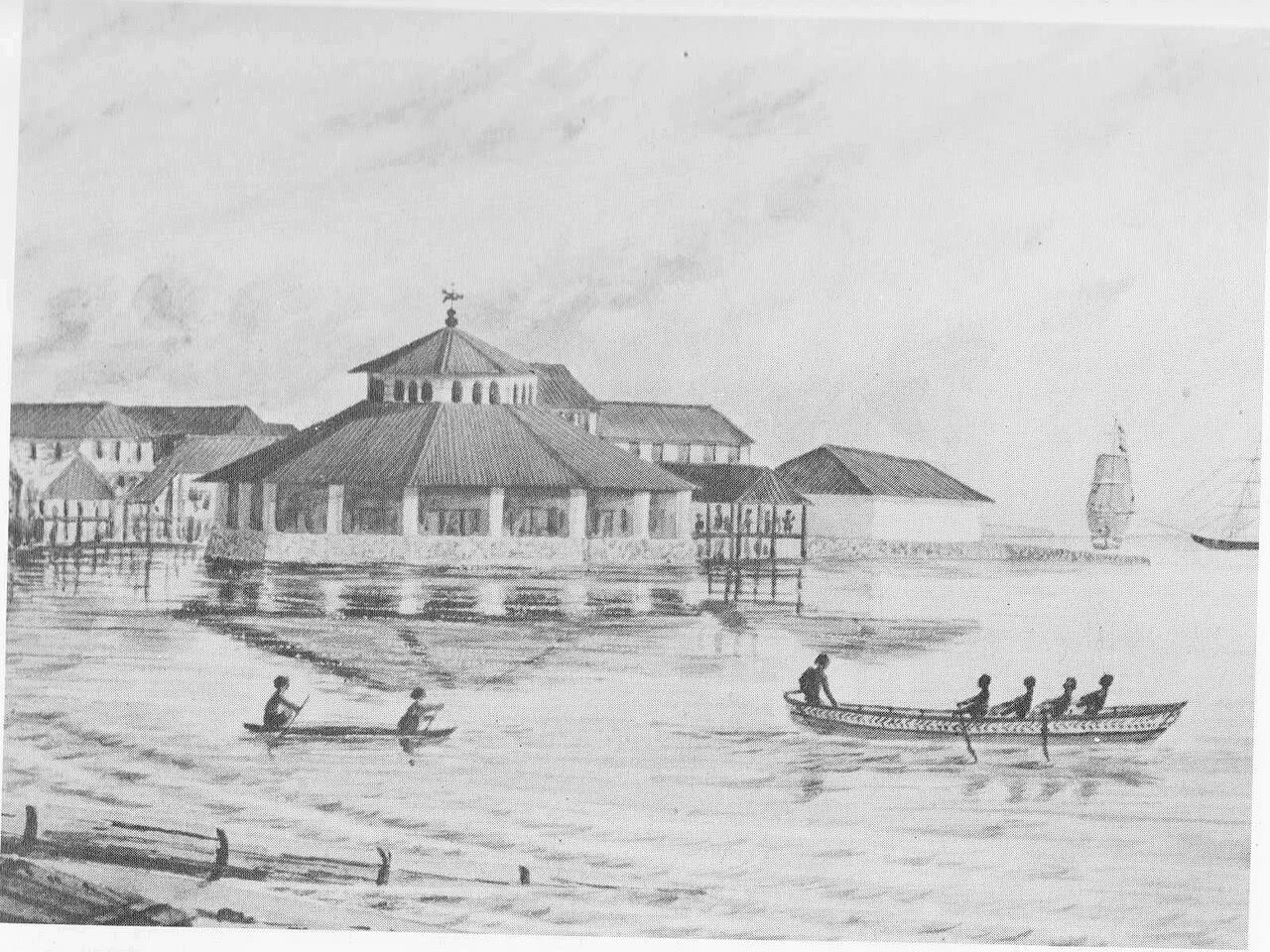
- Two policies: free trade and free immigration helped Singapore develop and brought many groups of migrants.
- Fast growth: news of the free port spread quickly, and by 1824 there were about 11,000 people.
- Why they came: poor living conditions pushed many out of their homelands, while Singapore's better jobs and trading chances pulled them in.
- Their aim: most wanted to earn as much money as they could, as fast as they could, and take it home; in doing so, they helped build a port city.
So, What Role Did the People of Singapore Really Play?
Role 1: Building the Settlement
- PPointOne role the people played in Singapore's development as a port city was building the settlement.
- EEvidenceFrom 1825 to 1873 Indian convicts cleared jungle and laid the first roads, High Street and St Andrew's Church. Coolies loaded ships and coaled steamships. Indian labourers built roads, railways and harbour facilities, and from the 1930s Samsui women carried cement on building sites.
- EElaborationLabourers worked hard behind the scenes, often unnoticed, providing the roads, docks and buildings and the handling of ships and goods without which a port cannot work.
- LLinkHence, labourers turned a small settlement into a working port city.
Role 2: Promoting Trade
- PPointA second role the people played was promoting trade.
- EEvidenceEuropean agency houses such as Boustead and Company, Chinese Peranakan go-betweens such as Tan Kim Seng, Hajjah Fatimah, Naraina Pillai, and Bugis and Arab traders such as the Alkaff brothers brought goods and networks. Street traders fed the workers, and Chettiars lent money when banks would not.
- EElaborationTraders used Singapore as a base to build networks across the region and with Europe, while street traders and moneylenders kept workers fed and money flowing, so more ships called and more business was done.
- LLinkThus, traders large and small made Singapore a busy trading centre and an important commercial hub.
Role 3: Serving the Community
- PPointA third role the people played was serving the community.
- EEvidenceMigrants built schools such as St Margaret's (1842), Gan Eng Seng's Anglo-Chinese Free School (1885) and the Chinese High School, today Hwa Chong (1919). They provided healthcare through Thong Chai (1867) and Tan Tock Seng's hospital (1844), and helped make laws, such as Eunos Abdullah's Kampong Melayu (1927).
- EElaborationThe British put trade first and provided too little, so migrants filled the gaps in education, healthcare and law-making, which improved people's lives and kept workers healthy.
- LLinkTherefore, migrants made Singapore a better place to live, not just to work, although the British still kept the final say.
The Bigger Picture
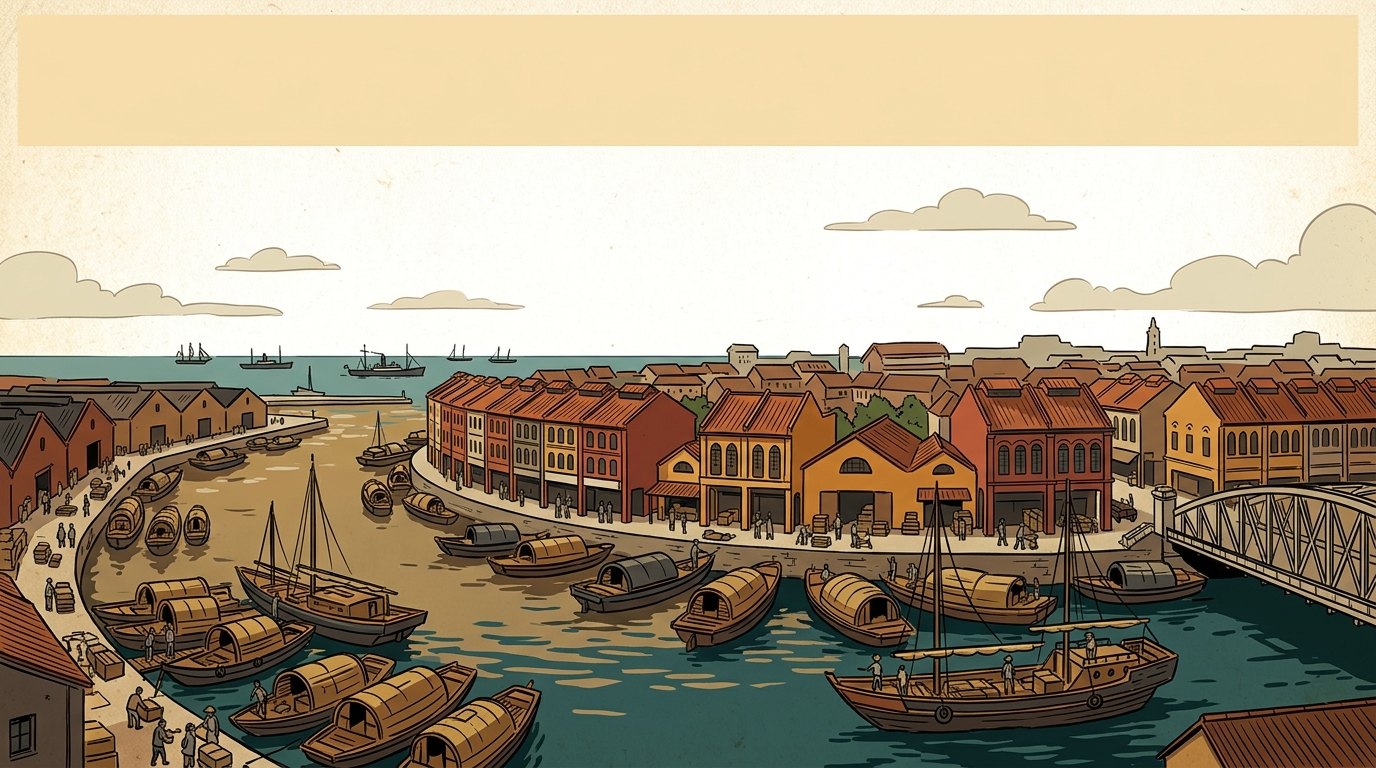
- Not alone: the people worked together with British rule and world events, such as the Suez Canal and the tin and rubber booms, which created the conditions for Singapore to flourish.
- Not equal: even so, the British never treated Asians as equals, keeping top jobs, privileges and the final say, which limited the people's role.
- A port city: by the 1930s Singapore was a thriving port city, until the Japanese attacked at the end of 1941.
In One Sentence
- The people of Singapore played a vital role in its development as a port city by building the settlement, promoting trade and serving the community, working with British rule and world events, even though the British never treated them as equals.
Think About It
- Most migrants came only to make money and go home. How did chasing their own goals end up building Singapore anyway?
- Which role do you think mattered most: building, trading or serving the community? What evidence would you use to back your choice?
- Could Singapore have grown into a great port city with British rule alone, without the migrants? Why or why not?