Who Came to Singapore, and What Did They Go On to Do?
Who Came to Singapore, and What Did They Go On to Do?
From 1819 to 1942, from many lands came to Singapore, and many of its streets, schools and hospitals are named after them, such as Tan Tock Seng, Gan Eng Seng and Tan Kah Kee. These notes set out the timeline from 1823 to 1942, the key people, and the chapter's question: what role did the people play in Singapore's development as a ? They played three roles: building the settlement, promoting trade and serving the community.
Why it matters
This marked an early step in providing education in Singapore, as it was one of Singapore's first schools. Many more schools would later be started by migrants, which shows how they helped to develop Singapore.
Why it matters
This was significant because these prisoners were made to build roads and buildings. As a result, convict labour helped to develop Singapore's infrastructure as the settlement grew (see Video 6).
Why it matters
This grouped Singapore with Penang and Melaka under the East India Company, the same grouping met at the end of Chapter 2 and the start of Chapter 3. It formed the setting in which migrants came to live and work.
Why it matters
This was significant because it was one of the earliest schools for girls, at a time when most schools were for boys. It showed that education in Singapore was slowly being opened up to girls.
Why it matters
This showed that migrants, not only the government, met important community needs. The hospital cared for the very poor and was paid for by a migrant trader, not the government.
Why it matters
This marked the end of rule by the East India Company. As a result, Singapore was no longer run by a trading company but came under the direct control of the British government.
Why it matters
This was significant because it gave free treatment and free medicine to poor people of all races (Video 8). It showed that migrant-led services helped the wider community, not just one group.
Why it matters
This showed that migrants built schools for every community, not just one. As a result, education spread across Singapore's different communities.
Why it matters
This was significant because it was started by a group of rich businessmen led by Tan Kah Kee. It showed how wealthy migrants used their money to develop education in Singapore.
Why it matters
This marked the start of the Great Depression (Chapter 3). As a result, jobs vanished and fewer migrants were allowed into Singapore, slowing the flow of people who had helped the port city grow.
Why it matters
This marked the end of the period covered in Chapter 4, from 1819 to 1942. What happened next is told in Chapter 5.
A City of Migrants
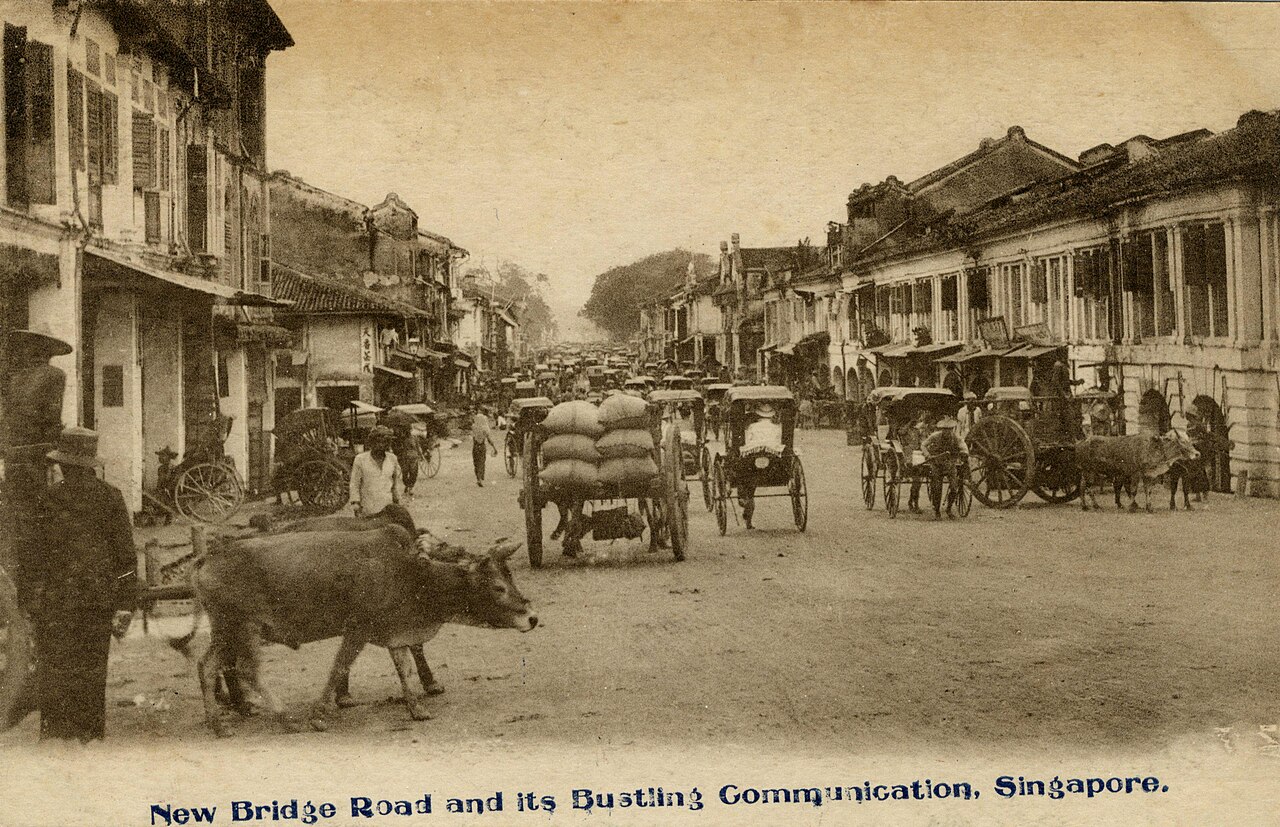
- Who came: from 1819 to 1942, migrants came to Singapore from China, India and Ceylon, the Malay Archipelago, Europe and Arabia.
- Why it matters: British rule and world events created the conditions for growth, but migrants did much of the work that turned them into a port city.
- A chance to do better: whatever their background, Singapore offered migrants a chance to improve their lives, which drew more of them in.
How Migrants Helped
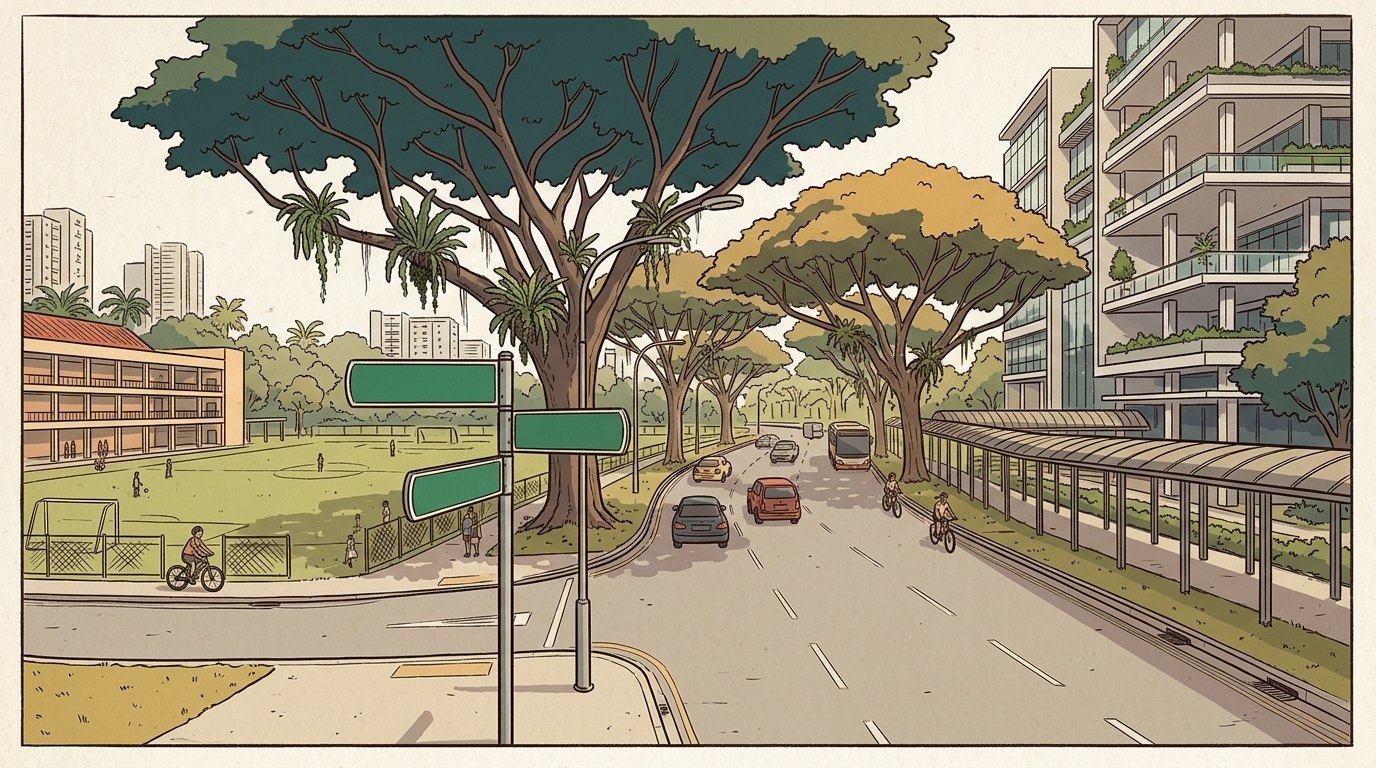
- Promoting trade: traders such as Hajjah Fatimah and Naraina Pillai built up the trade on which the port depended.
- Building the settlement: coolies, convicts and Samsui women did the hard work of building the port and the town.
- Serving the community: Tan Tock Seng, Gan Eng Seng and Tan Kah Kee paid for hospitals and schools, filling gaps the British left.
- Making laws: Dr Lim Boon Keng and Eunos Abdullah spoke up for their communities in the Legislative Council, though the British kept the final say.
The Big Idea: Diversity
- What it means: people can have very different experiences, even when they live in the same place at the same time.
- Why historians care: comparing people's experiences gives a more complete picture of the past.
- In this chapter: compare how a trader's life, a coolie's life and a craftsman's life were similar or different.
The Chapter's Questions
- Who were the migrants who came to Singapore from 1819 to 1942?
- Why did they come?
- How did they help to develop Singapore into a port city?
In One Sentence
- From 1819 to 1942, migrants from many lands built the settlement, promoted trade and served the community, playing a vital role in Singapore's development as a port city, even though the British never treated Asians as equals.
Think About It
- Many places in Singapore are named after migrants. Why do you think people chose to remember them in this way?
- Most of the givers on the timeline were rich traders. Why might the people who did the hardest work be harder to find in history books?
- Pick two people from this chapter. How might their lives in Singapore have been different?