How Did Migrants Become Traders and Entrepreneurs?
How Did Migrants Become Traders and Entrepreneurs?
Traders were among the first migrants to come, drawn by Singapore's . These notes cover four groups: European , the Chinese Peranakan go-betweens who helped Europeans and Asians trade, Malay and Indian traders, and and Arab traders. Together they played a key role in promoting trade, which made Singapore a busy trading centre.
Europeans and Agency Houses
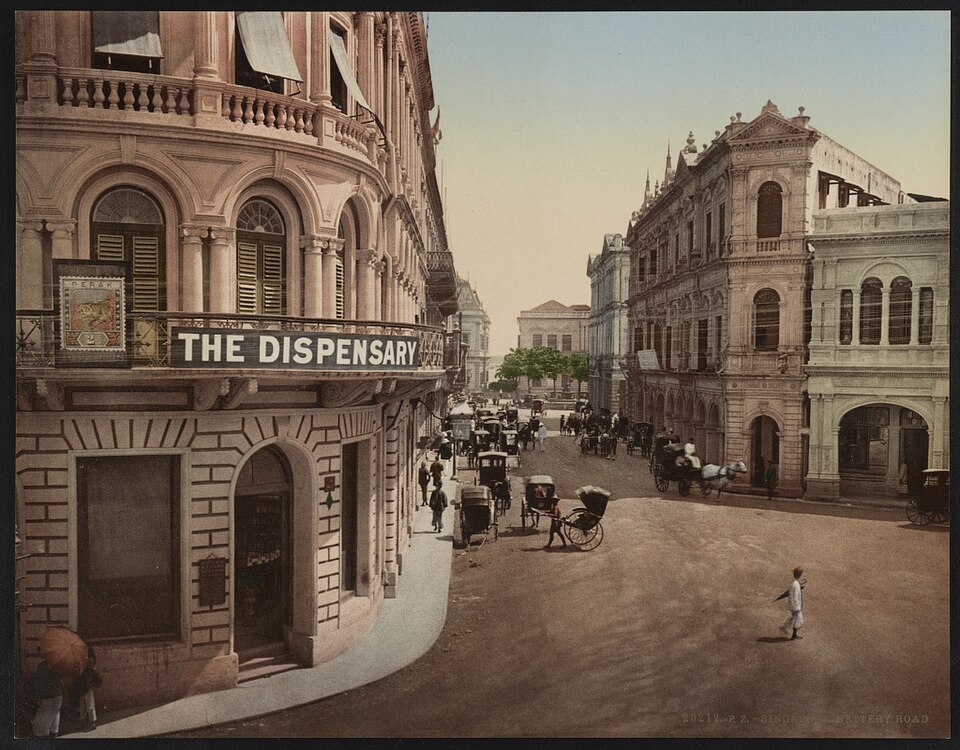
- Entrepreneur: someone who sets up a business, taking a financial risk, hoping to make a profit.
- Where: traders set up along the Singapore River. Boat Quay was its busiest part, lined with shophouses and warehouses.
- Agency houses: Europeans exchanged European goods for Southeast Asian goods like spices and birds' nests and earned a , linking Singapore to markets in Europe.
- Examples: A. L. Johnston and Company (1820) and Boustead and Company (1828).
The Go-Betweens
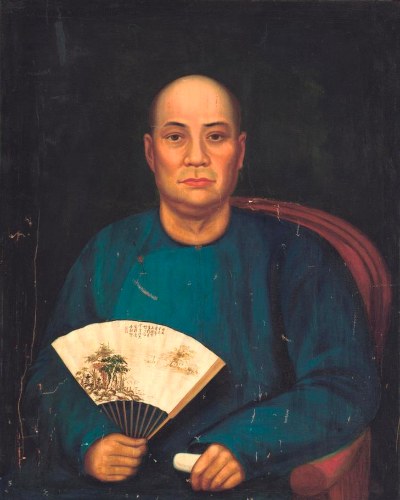
- The problem: Europeans and Asian traders did not speak the same languages.
- The answer: spoke English, Malay and Chinese dialects, which enabled the two sides to trade.
- Their own businesses: some set up trading houses, like Tan Kim Seng. A silver centrepiece from 1862 thanked him and his son for their services to Boustead and Company.
Malay and Indian Traders
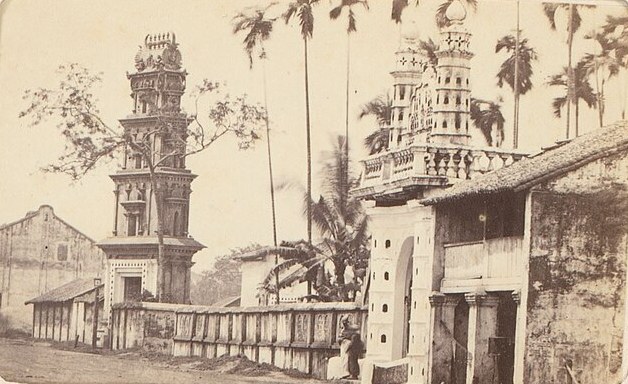
- Hajjah Fatimah Sulaiman: from Melaka, she lost her husband young, kept his business going and expanded it. Hajjah Fatimah Mosque is named after her.
- Naraina Pillai: he came from Penang soon after the founding, started a brick factory and one of Singapore's biggest cotton cloth businesses, and set up the Sri Mariamman Temple in 1827.
- More traders: by the early 1870s, many Indian traders were here, such as the textile trader Wassiamull Assomull.
Bugis and Arab Traders
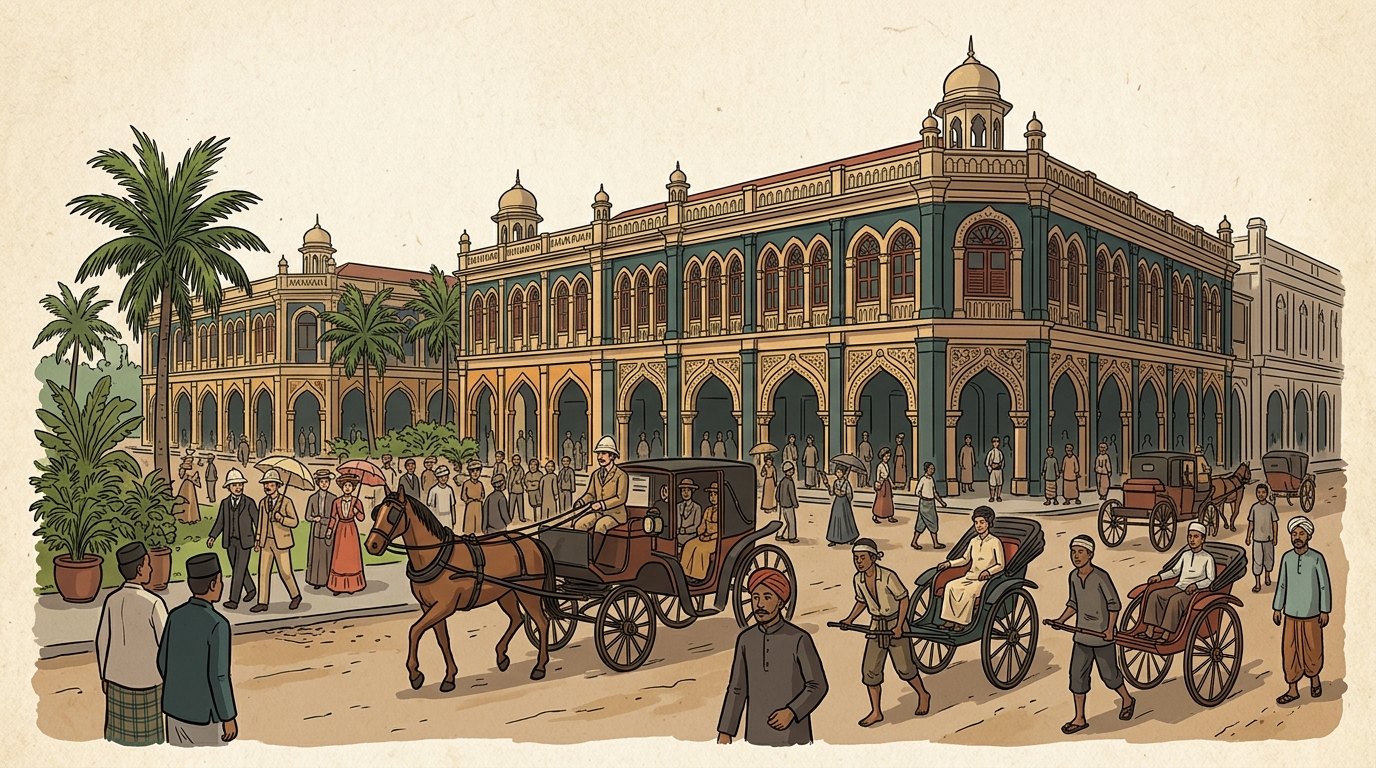
- The Bugis: when the Dutch taxed traders on their routes, Bugis ships came to tax-free Singapore instead. Haji Omar Ali arrived in 1880 and bought many properties.
- The Arabs: many came from . Syed Omar Aljunied and his uncle Syed Mohammed were among the first.
- A later wave: after steamships and the Suez Canal (1869), traders like the Alkaff brothers came. By the 1930s, Arabs were among Singapore's biggest property owners.
How Did Migrants Become Traders and Entrepreneurs?
Role: Promoting Trade
- PPointOne role the people played in Singapore's development as a port city was promoting trade.
- EEvidenceEuropean agency houses such as A. L. Johnston and Company (1820) and Boustead and Company (1828) traded European goods for Southeast Asian goods. Chinese Peranakans such as Tan Kim Seng spoke English, Malay and Chinese dialects. Hajjah Fatimah, Naraina Pillai, Haji Omar Ali and the Alkaff brothers built up Malay, Indian, Bugis and Arab trading businesses.
- EElaborationAgency houses linked Singapore to European markets, the go-betweens let Europeans and Asians do business despite the language gap, and Asian traders brought their own goods and regional networks, so more ships called and more goods passed through the port.
- LLinkHence, migrant traders turned Singapore into a busy trading centre, and their trade in turn relied on street traders and moneylenders to keep it running.
In One Sentence
- European, Chinese Peranakan, Malay, Indian, Bugis and Arab traders promoted trade by bringing goods, links and networks, which made Singapore a busy trading centre.
Think About It
- Why were people who could speak several languages so valuable to traders in early Singapore?
- The Dutch taxed traders, but Singapore did not. How did that help Singapore win trade?
- Hajjah Fatimah ran a big business at a time when few women did. What does her story tell you about the chances Singapore offered?