How Did Migrants Help Make Singapore's Laws?
How Did Migrants Help Make Singapore's Laws?
At first the British made all the decisions, and most migrants did not want a say because they did not plan to stay. These notes explain three ways some local people later helped make laws: pushing for more local seats on the , proposing laws such as Kampong Melayu, and fighting social problems such as . Their influence was real but limited, because the British always kept the final say.
Who Made the Laws?
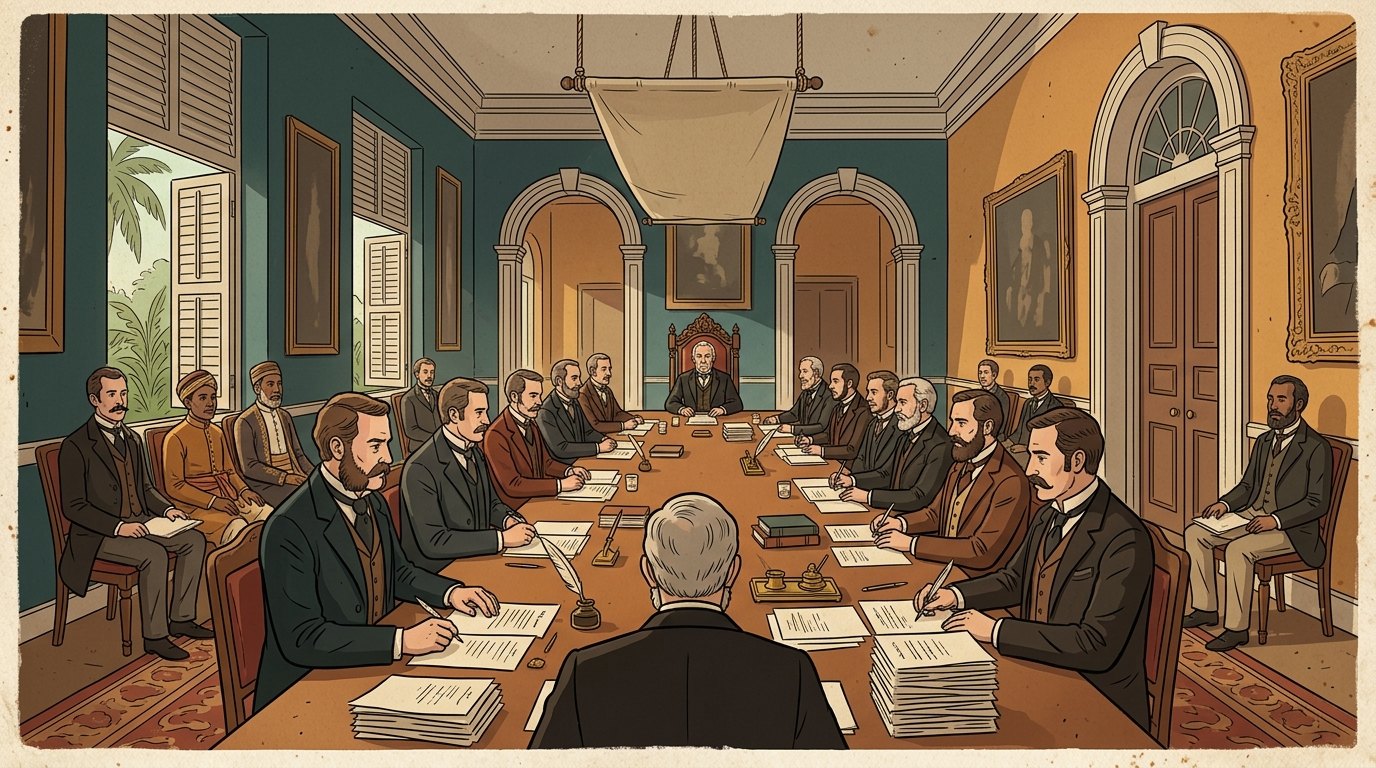
- Early years: the British made all the decisions for the people in Singapore.
- Not interested: most migrants did not want a say, because they were not planning to stay long.
- From 1867: a ruled with an and a Legislative Council, which made the laws.
- In 1869: the Legislative Council had the Governor, eight and five . Only one member was Asian.
- Official and non-official: official members had to vote with the Governor, while non-official members, European and Asian traders, could speak and vote as they pleased.
How Did Migrants Help Make Singapore's Laws?
Way 1: Pushing for More Seats
- PPointOne way local people helped make laws was by pushing for a bigger voice in the Legislative Council.
- EEvidenceFor years the non-official members were just a few traders, and they could always be by the official members, who were all Europeans. They kept up the pressure, and by 1924 there were equal numbers of official and non-official members.
- EElaborationWith more local members, local people's concerns were heard more often and there were more chances to propose laws that helped their communities.
- LLinkHence, winning more seats was a step towards giving local people a part in running the colony.
Way 2: Proposing Laws: Kampong Melayu
- PPointAnother way local people helped make laws was by proposing laws that were passed.
- EEvidenceEunos Abdullah, son of a Sumatran trader, edited a new Malay newspaper from 1907 and became the first Malay member of the Legislative Council in 1924. In 1927 he asked the government to set aside a very large piece of land for a Malay settlement, Kampong Melayu.
- EElaborationThe settlement gave Malays cheap housing and a living from growing fruit and vegetables and rearing poultry, showing that a local member could turn his community's needs into law.
- LLinkThus, local members could change laws to help their communities when their proposals did not threaten British interests.
Way 3: Fighting Opium
- PPointLocal members also used the Council to fight social problems such as opium, though with limited success.
- EEvidenceFrom 1895 Dr Lim Boon Keng spoke out against opium, in the Council and outside it, but the Council would not ban it because opium earned the government a great deal of money. Governor Sir John Anderson proposed an instead, but Council members opposed it because it would cut their own incomes. The government kept earning from opium right up to the Japanese Occupation.
- EElaborationLocal members could raise a problem and win attention for it, but when a proposal threatened government income, it was blocked.
- LLinkTherefore, local people could speak up and propose laws, but the final say still lay with the British, which shows how unequal their position was.
Two Local Leaders
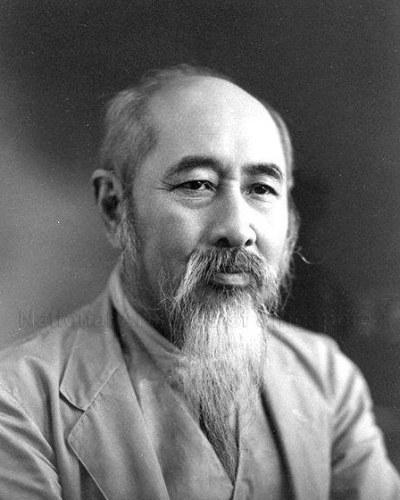
- Dr Lim Boon Keng (1869–1957): a Chinese Peranakan and the first Chinese to win the Queen's Scholarship, in 1887. He studied medicine in Edinburgh and opened a dispensary for cholera patients.
- His causes: he campaigned against opium and helped develop Chinese and English education for young Chinese.
- Eunos Abdullah (1876–1933): son of a Sumatran trader and one of few Malay boys at Raffles Institution. He edited the Malay newspaper Utusan Melayu.
- A first: in 1924 he became the first Malay member of the Legislative Council.
Associations

- Beyond the Council: some local members also formed to improve people's lives.
- Examples: the Straits Chinese British Association and the Kesatuan Melayu Singapura (Singapore Malay Union).
In One Sentence
- Local members won more seats, passed laws such as Kampong Melayu and fought opium, but their influence was limited because the British kept the final say.
Think About It
- Look at the Council in 1869: eight official members, five non-officials, only one Asian. What does that tell you about who held power?
- Kampong Melayu was passed, but the opium ban was not. What was different about the two proposals?
- Council members blocked the income tax because it would cut their own incomes. Is it fair for lawmakers to vote on laws that affect their own money? Why or why not?