How Did Migrants Provide Healthcare and Other Community Services?
How Did Migrants Provide Healthcare and Other Community Services?
Poor food, poor and overcrowding spread disease among migrants, and the government did very little to help, so migrants set up groups. These notes explain two ways migrants served the community: education, and healthcare through the Thong Chai Medical Institution and Tan Tock Seng's hospital for the poor. Wealthy migrants also paid for wells and burials, which made Singapore a better place to live and kept its workers fit to work.
A City Without Care
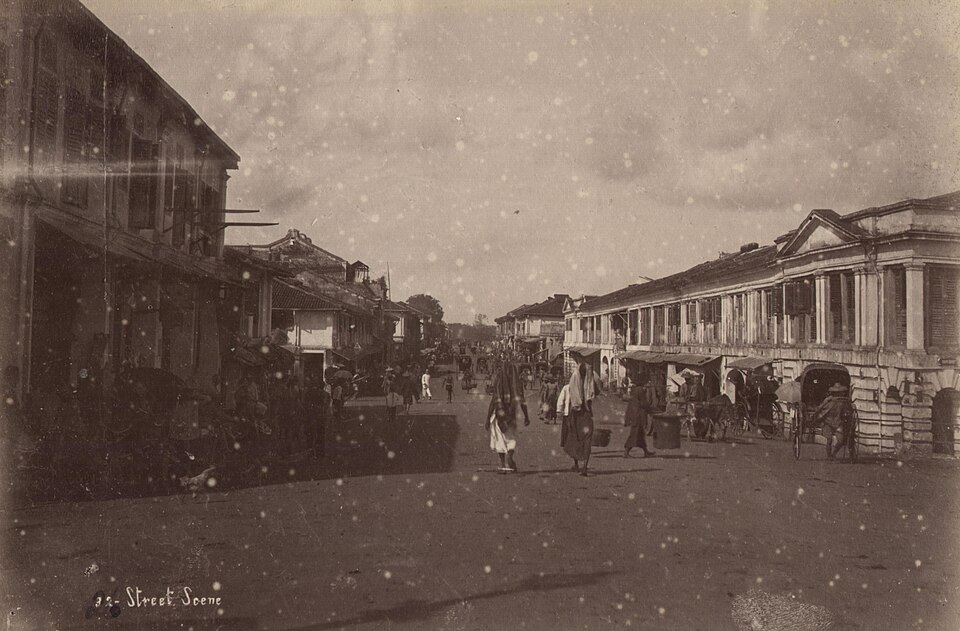
- The causes: poor food, poor sanitation and overcrowding.
- Sanitation: clean water, toilets and drains that keep dirt and waste away from people.
- The diseases: as a result, , , , and were common among migrants.
- On the streets: many sick people lay on the road, too weak to move.
- Self-help: the government did little, so local groups set up their own organisations instead of waiting for help.
Thong Chai Medical Institution
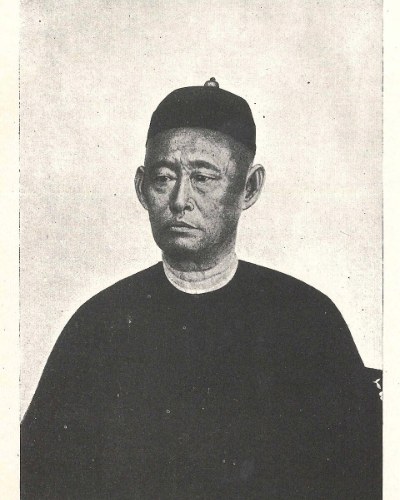
- Who: Gan Eng Seng, who also started the Anglo-Chinese Free School, led the setting-up of Thong Chai in 1867.
- What it did: its clinic gave free treatment and free medicine to poor people of all races.
- Today: its old building on Eu Tong Sen Street is a national monument.
A Hospital for the Poor
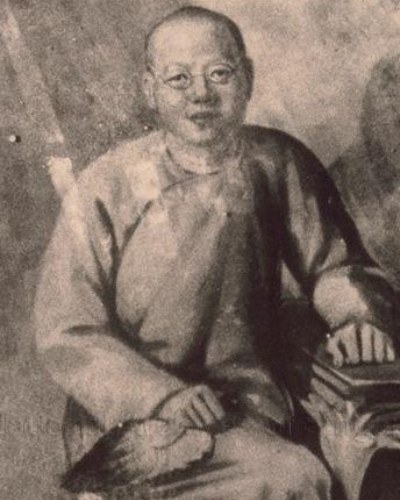
- Who: Tan Tock Seng, a migrant of Fujian descent from Melaka, became a wealthy trader in Singapore.
- His gift: he offered $5,000 to set up a hospital for the poor.
- The land: it was given by the Arab trader Syed Omar bin Ali Aljunied, showing communities working together.
- The hospital: its foundation stone was laid on Pearl's Hill on 25 May 1844. First called the Chinese Pauper Hospital, it was later renamed Tan Tock Seng Hospital.
Other Help for the Poor
- Wells: successful businessmen paid for water wells for the community.
- Burials: they made sure the poor had proper burials after they died.
- Why: they wanted to help people who were less fortunate.
How Did Migrants Provide Healthcare and Other Community Services?
Way 1: Education
- PPointOne way migrants served the community was by providing education.
- EEvidenceMaria Dyer started a girls' school in 1842. Gan Eng Seng started the Anglo-Chinese Free School in 1885, and Tan Kah Kee led the founding of the Chinese High School in 1919.
- EElaborationThe British ran few schools, so these migrant-run schools gave many more children, including girls, the chance to learn and gain skills such as English.
- LLinkThus, migrants improved people's lives through education, filling a gap the British left.
Way 2: Healthcare
- PPointAnother way migrants served the community was by providing healthcare for the sick poor.
- EEvidenceThe Thong Chai Medical Institution, set up in 1867 and led by Gan Eng Seng, gave free treatment and free medicine to poor people of all races. Tan Tock Seng gave $5,000 and Syed Omar Aljunied gave land for a ' hospital, whose foundation stone was laid on Pearl's Hill in 1844. Businessmen also paid for wells and burials.
- EElaborationWith the government doing little, the sick poor finally had somewhere to be treated, instead of lying untreated on the streets, and more people could recover and keep working in the port.
- LLinkTherefore, migrants improved people's through healthcare, making Singapore a better place to live, and some of these leaders also spoke up in making laws.
In One Sentence
- When the government did little for the sick and the poor, migrants such as Gan Eng Seng and Tan Tock Seng provided free care, a hospital, wells and burials, which improved people's welfare and kept the port's workers fit to work.
Think About It
- A Chinese trader built the hospital on land given by an Arab trader. What does that tell you about how communities treated each other?
- Thong Chai treated poor people of all races, not just the Chinese. Why might that have mattered in a city of migrants?
- Why do you think the British government did so little for the sick? Who do you think should be responsible for people's health?