What Other Kinds of Entrepreneurs Helped Singapore's Economy Run?
What Other Kinds of Entrepreneurs Helped Singapore's Economy Run?
Not every entrepreneur ran a big trading house. These notes explain two ways smaller traders helped Singapore develop: met workers' daily needs for food, goods and services, and the , Indian , provided when very few banks would. Both kept the port's economy running and helped make Singapore an important commercial centre.
Street Traders
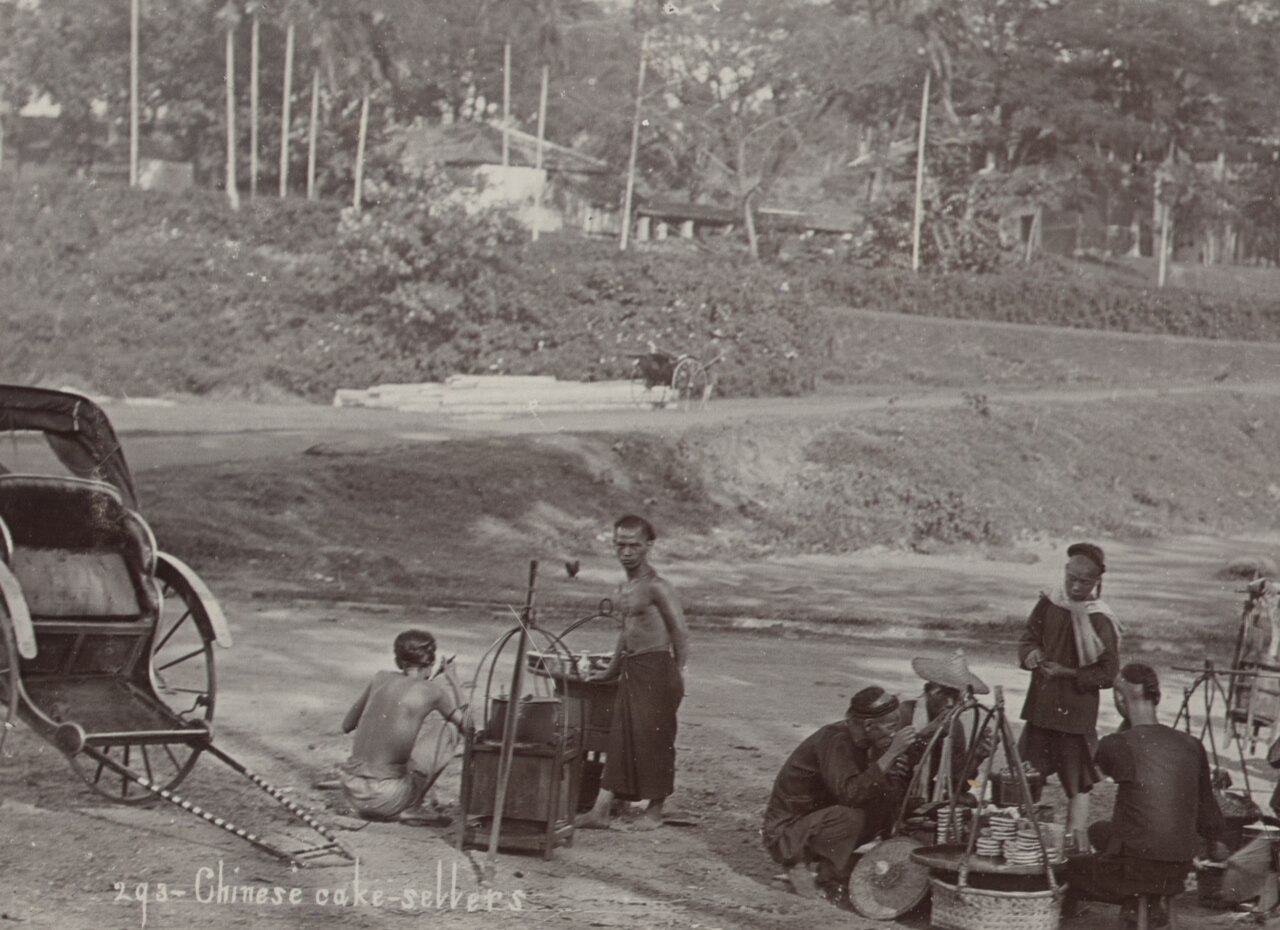
- Food traders: the biggest group of street traders, they sold quick, cheap meals to coolies and other workers.
- Farmers, fishermen and hunters: they sold what they grew or caught in the streets and markets.
- Everyday goods: other traders sold things like sandals, brooms and towels.
- Services: street barbers cut hair, and cobblers mended shoes.
The Moneylenders
- Who: as Singapore grew as an , it attracted Indians skilled in trade, accounting, banking and credit.
- Credit: lending money now, to be paid back later.
- The Chettiars: Indian moneylenders who came from the 1820s onwards and worked around the Singapore River.
- Filling a gap: very few banks would lend money to these traders, so the Chettiars stepped in.
What Other Kinds of Entrepreneurs Helped Singapore's Economy Run?
Way 1: Meeting Workers' Daily Needs
- PPointOne way street traders helped Singapore develop as a port city was by meeting the daily needs of its workers.
- EEvidenceFood sellers, the largest group of street traders, sold quick, cheap meals to coolies and other workers. Farmers, fishermen and hunters sold their produce; others sold sandals, brooms and towels; street barbers and cobblers cut hair and mended shoes.
- EElaborationWorkers who were far from home could eat and get what they needed cheaply and close to their work, so the labourers who loaded ships and built the town could keep working every day.
- LLinkHence, street traders kept the port's workforce going, supporting the labourers who built the settlement.
Way 2: Lending Money to Traders
- PPointAnother way the people helped Singapore develop was through the Chettiar moneylenders, who provided credit to traders.
- EEvidenceThe Chettiars, Indian moneylenders skilled in banking and credit, came from the 1820s and worked around the Singapore River, where very few banks would lend money to traders.
- EElaborationTraders could borrow from the Chettiars, buy goods, trade them and pay the money back, so a lack of money did not stop them doing business and trade kept flowing.
- LLinkThus, the Chettiars kept trade moving and helped make Singapore an important commercial centre.
Why They Mattered
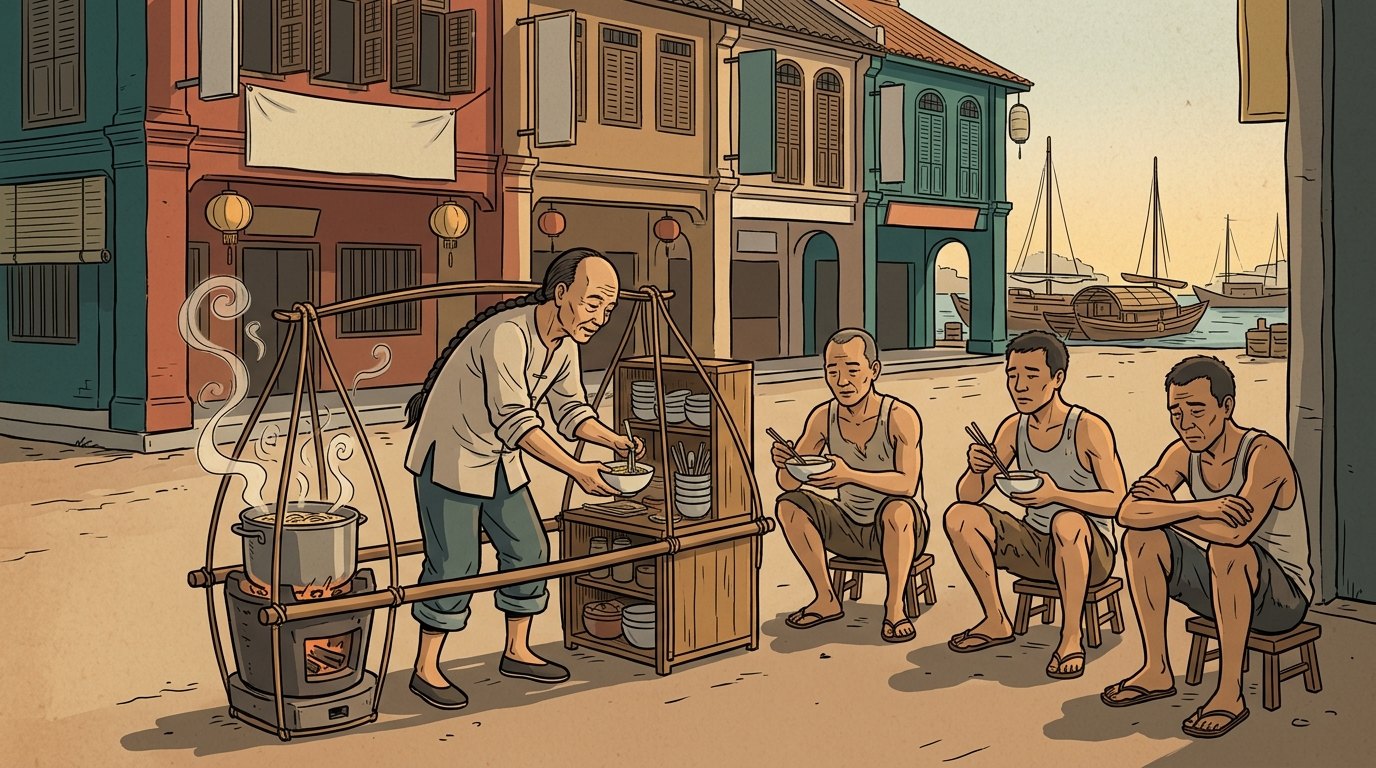
- Linking to the big traders: the trading houses of Video 4 depended on credit and on a fed, working labour force.
- Linking to the labourers: cheap street meals kept coolies and other workers fit to build the port.
- The result: small traders and moneylenders helped make Singapore an important commercial centre.
In One Sentence
- Street traders met workers' daily needs and Chettiar moneylenders lent traders money when banks would not, so both kept the port's economy running and helped make Singapore an important commercial centre.
Think About It
- Street traders were not rich. Did they still matter to Singapore's economy? Why?
- Why do you think so few banks would lend money to small traders?
- What would have happened to a trader who needed money to buy goods if there were no moneylenders?