What Happened During the Occupation, and Who Are the Key Figures?
What Happened During the Occupation, and Who Are the Key Figures?
The British surrender on 15 February 1942 ushered in three and a half years of Japanese rule, which ended only with the formal surrender at City Hall on 12 September 1945. These notes set out the chronology of the Occupation, the methods the Japanese used to take control, the key figures whose actions shaped the period, and the chapter's central concept: , the idea that people living through the same events could experience them in profoundly different ways.
Why it matters
The attack drew the United States into the war and opened the war in the Asia-Pacific. At about the same time, Japanese forces landed in Malaya, beginning the campaign that led to the fall of Singapore.
Why it matters
This marked the start of three and a half years of Japanese rule. Renaming Singapore Syonan-to and moving the clocks forward one and a half hours to Tokyo time signalled that Singapore was now part of the Japanese Empire.
Why it matters
Sook Ching was the most brutal example of Japanese coercion. Because the Japanese perceived the Chinese as hostile for supporting China's war against Japan, thousands of Chinese men were killed, and fear shaped the Chinese community's experience of the whole Occupation.
Why it matters
Midway was a turning point in the Pacific War. Japan's heavy naval losses left it increasingly on the defensive, which contributed to its eventual defeat and, in turn, to the end of the Occupation.
Why it matters
Bose's arrival strengthened the Indian National Army, which Japan backed to fight British rule in India. This shows how the Japanese won over some communities by appealing to their nationalist aims, so the Indians' experience of the Occupation differed from that of the Chinese.
Why it matters
As food shortages worsened, the Japanese relocated people to grow their own food. Many settlers, especially at Bahau, fell ill and died, showing that these self-sufficiency schemes could not resolve the shortage and instead added to the hardship of the Occupation.
Why it matters
Working together made the resistance's sabotage and intelligence-gathering more effective. Although most people kept their heads down to survive, this shows that a minority actively risked their lives to weaken Japanese rule.
Why it matters
With Germany defeated, the could concentrate their forces against Japan, which hastened the end of the war in the Asia-Pacific.
Why it matters
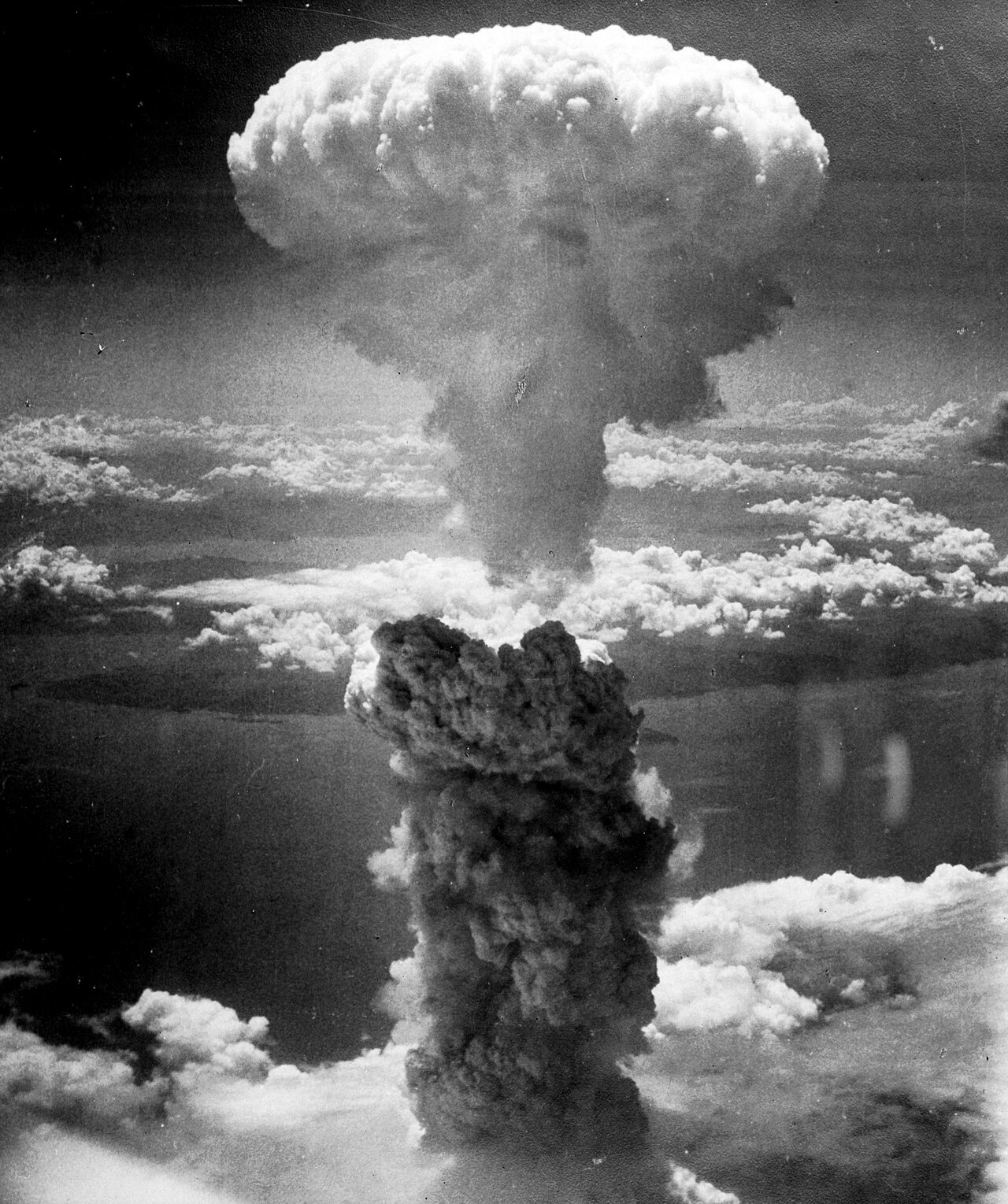
The atomic bombings of Hiroshima (6 August) and Nagasaki (9 August) caused massive destruction and loss of life, and contributed directly to Japan's decision to surrender.
Why it matters
The announcement ended the fighting, but it did not formally end the Occupation in Singapore. That happened only when the surrender was signed at City Hall on 12 September 1945, so do not confuse the two dates.
Why it matters
The British were greeted with relief, and British rule was restored. However, the BMA inherited severe problems, including food shortages, worthless banana notes and disrupted schooling.
Why it matters
The formal surrender at City Hall officially ended three and a half years of Japanese rule in Singapore.
Why it matters
This ended military rule and restored civilian British colonial government, setting the stage for the post-war developments covered in the next chapters.
15 February 1942: The Occupation Begins
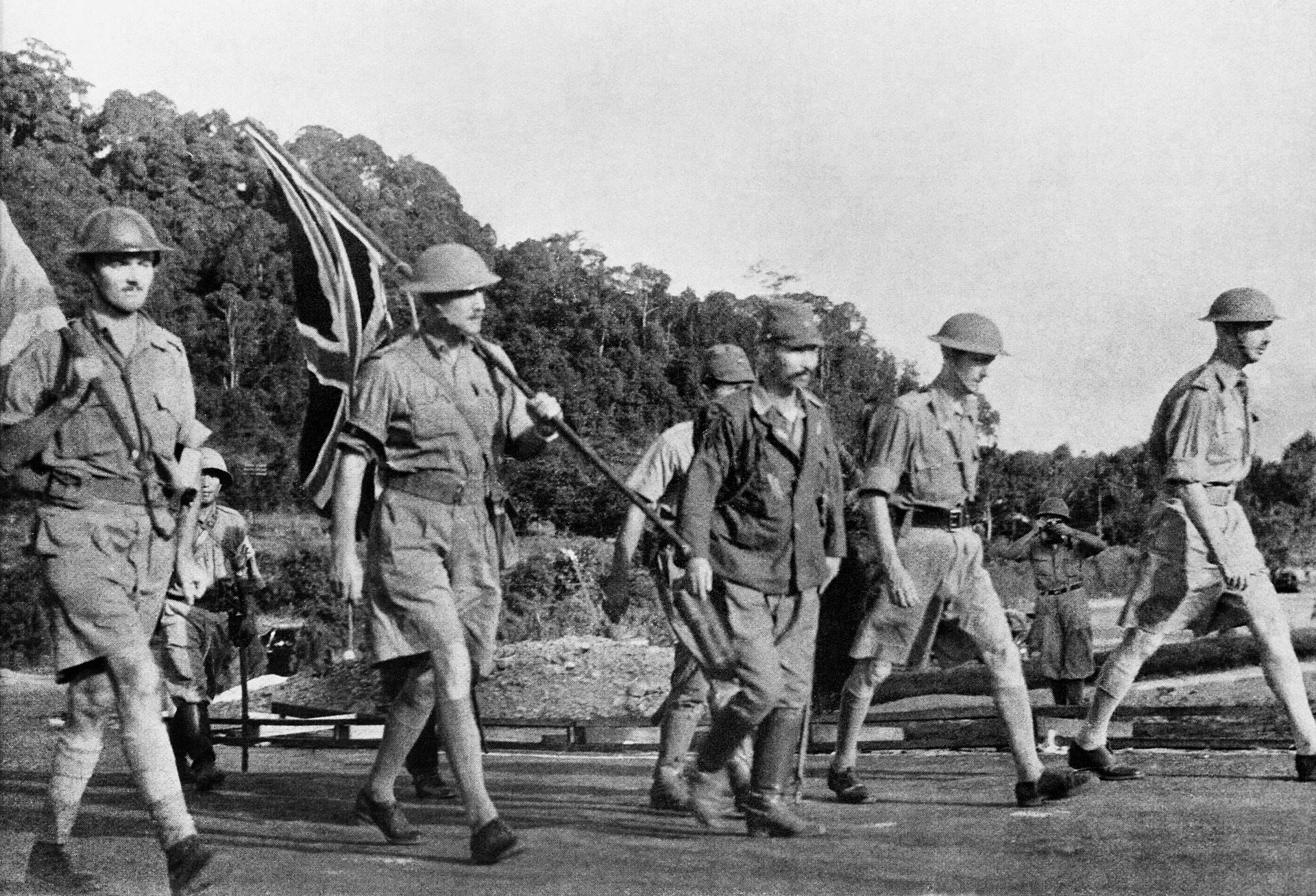
- Surrender: the British surrender on 15 February 1942 marked the start of the .
- Three and a half years: Japanese rule lasted until the formal surrender at City Hall on 12 September 1945.
- PPointThe Japanese renamed Singapore and changed its clocks to show that it now belonged to the Japanese Empire.
- EEvidenceSingapore was renamed “Syonan-to”, meaning “Light of the South Island”, and clocks were moved forward one and a half hours to match Tokyo time.
- EElaborationBy changing the name people used every day and the time they lived by, the Japanese told everyone that British rule was over. Their control now reached into daily life itself, not just the government.
- LLinkHence, from the first days of the Occupation, the Japanese used symbols to assert their power, and they went on to back that power with coercion and persuasion.
How the Japanese Took Control: Two Strategies
- The starting point: the city was in disorder, with bombing casualties, damaged buildings and widespread looting. Food, education and work would all come under Japanese control.
- Coercion, control through fear: harsh public punishments, the Kempeitai's surveillance and the parade of Allied prisoners (Video 2); Operation Sook Ching and the $50 million “gift” extracted from the Chinese community (Video 3).
- Persuasion, winning support: propaganda presenting Japan as Asia's liberator, social benefits and race-based policies that favoured some communities (Video 4); the imposition of Japanese language and culture (Video 5).
- How they connect: the fear created by coercion undermined persuasion. As a result, the Japanese won obedience but rarely genuine loyalty, as Video 5 shows.
How the Occupation Ended
- Germany surrenders: on 7 May 1945, Germany surrendered, so the Allies could focus their resources on defeating Japan.
- The atomic bombs: on 6 and 9 August 1945, the Allies dropped atomic bombs on Hiroshima and then Nagasaki.
- Japan surrenders: on 15 August, Emperor Hirohito announced Japan's surrender; Japan formally surrendered to the Allies on 2 September.
- In Singapore: the British returned on 5 September and set up the British Military Administration (BMA); the Japanese signed the formal surrender at City Hall on 12 September 1945.
Key People: Different Responses
- Resisted, Lim Bo Seng: a Force 136 leader who revealed nothing under torture and died in prison in 1944, becoming an enduring symbol of sacrifice.
- Resisted, Elizabeth Choy: imprisoned by the Kempeitai for helping prisoners of war, she later forgave her captors and became the first woman on the Legislative Council (1951) and the first principal of the Singapore School for the Blind (1956).
- Worked with Japan for his own cause, Subhas Chandra Bose: a charismatic Indian nationalist who led the Indian National Army (INA), galvanising many Indians to support Japan in the hope of freeing India.
- Forced to cooperate, Dr Lim Boon Keng: a respected elderly doctor coerced into heading the Overseas Chinese Association (OCA) and raising the $50 million “gift”.
- The Japanese side, Mamoru Shinozaki: the Japanese official who oversaw the Endau and Bahau resettlement schemes to ease the food shortage.
- Why it matters: these different responses show the chapter's big idea, diversity, in action. Video 8 looks at why people resisted, collaborated or kept their heads down.
The Big Idea: Diversity
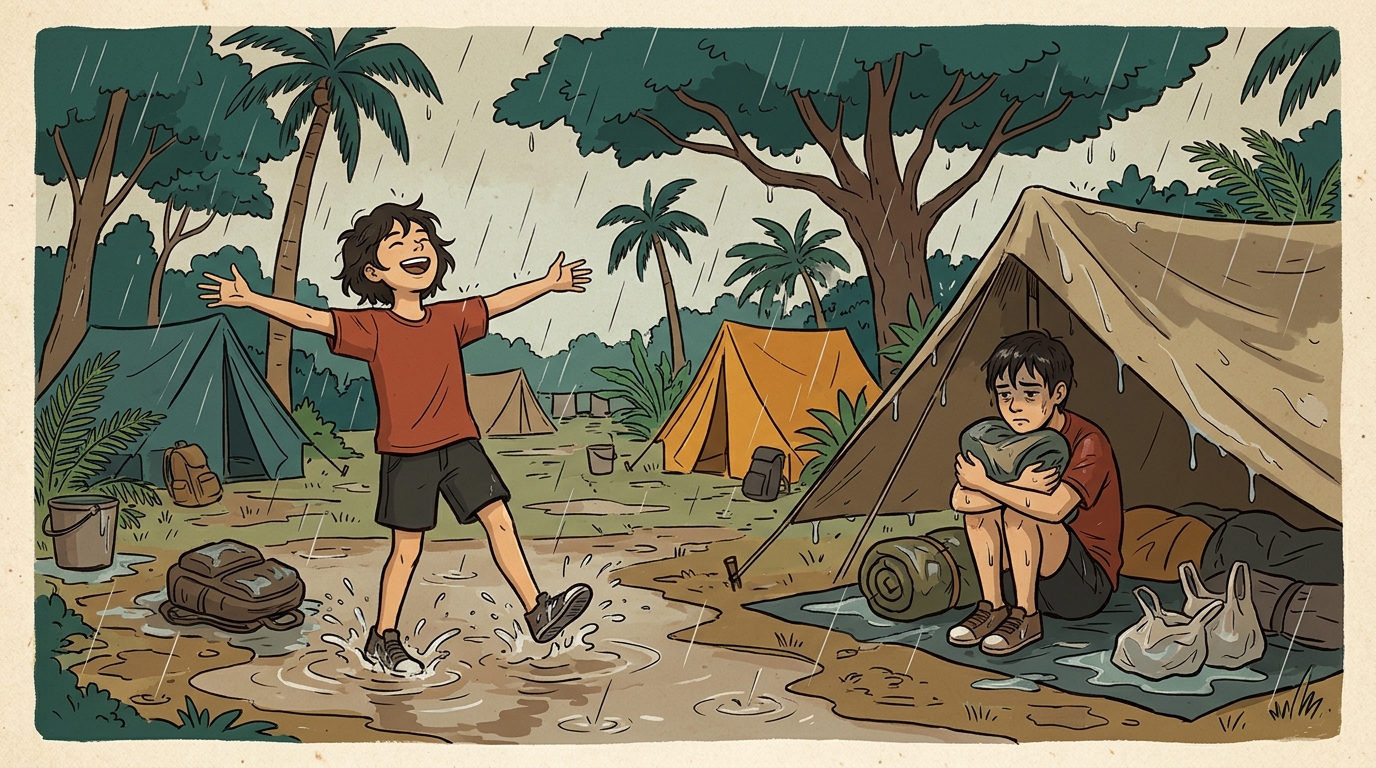
- Meaning: diversity recognises that people can have very different experiences, even in the same place at the same time.
- Why it matters to historians: examining multiple perspectives produces a more complete and balanced picture of the past.
- An everyday example: two classmates on the same rainy school camp may remember it as the best and the worst week of the year; both accounts are needed to understand what camp was really like.
- Applying it: for each person or group, consider how their circumstances (community, wealth, loyalties and choices) shaped what they experienced.
- In the exam: show diversity by comparing how two groups experienced the same event, for example how the Japanese treated the Chinese compared with the Malays.
The Chapter's Questions
- What did the people in Singapore experience during the Japanese Occupation? Videos 2 to 8, answered in Video 10.
- What problems did they face right after the Japanese surrendered? Video 9.
In One Sentence
- From 15 February 1942 to 12 September 1945, the Japanese ruled Singapore as Syonan-to, asserting their power through symbols, coercion and persuasion; as a result, people's experiences differed greatly according to who they were and how they responded.
Think About It
- Changing the name and the clocks showed who was in charge. What other everyday things could a new ruler change to send the same message?
- Some of the biggest events on the timeline happened far from Singapore, like the Battle of Midway. How could a battle thousands of kilometres away change life in Singapore?
- Think of one event you and a friend remember differently. What made your experiences different, and whose memory is “true”?