How Did the Japanese Try to Win People's Support?
How Did the Japanese Try to Win People's Support?
Coercion alone could not secure lasting control, so the Japanese also set out to win support. They portrayed themselves as the of Asia, offered social benefits, and pursued race-based policies that favoured some communities while treating others with hostility or suspicion. These notes examine each method and explain why such unequal treatment left a divisive legacy.
From Force to Persuasion
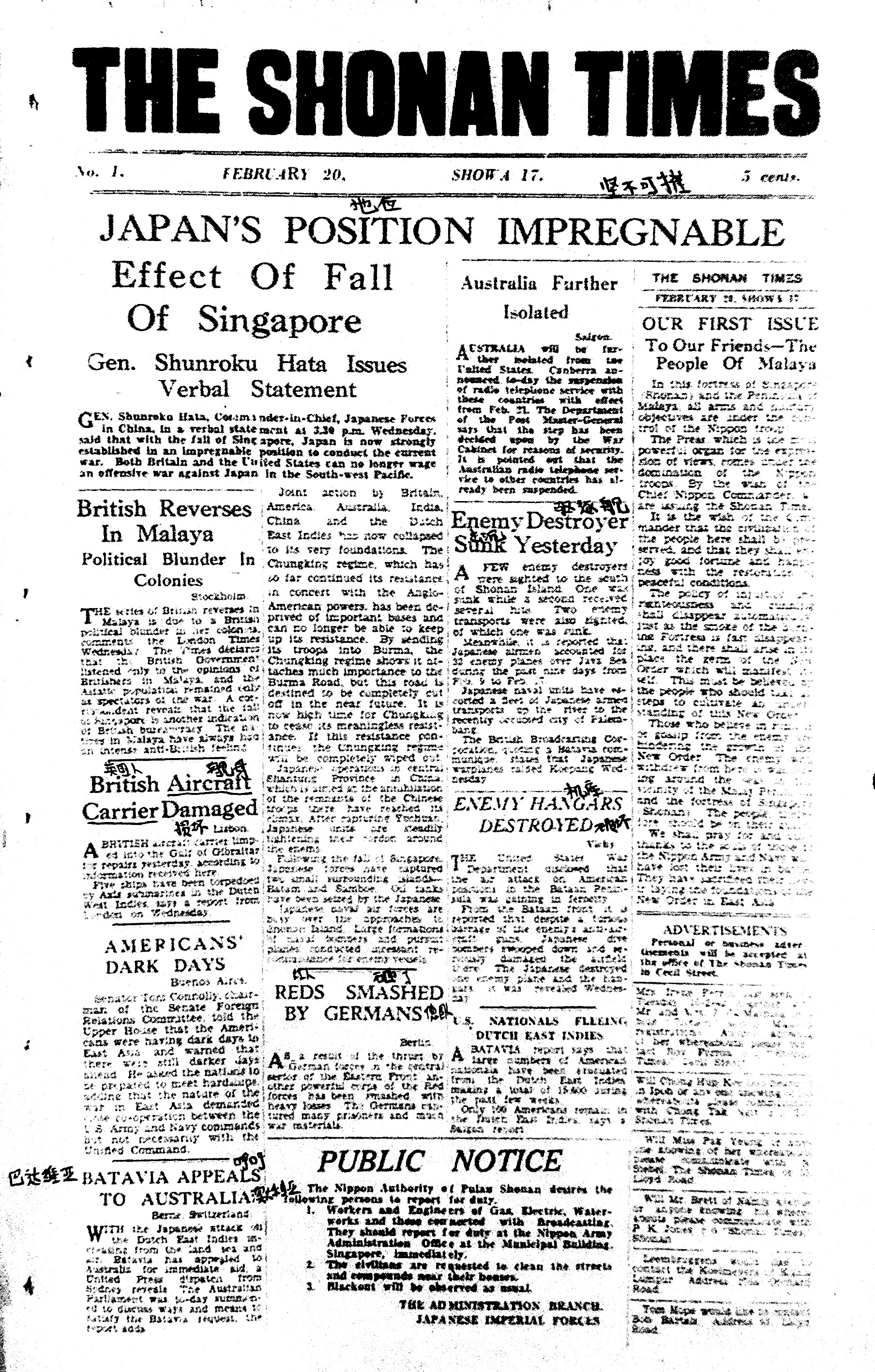
- Coercion: harsh punishments, the Kempeitai and Operation Sook Ching had already asserted Japanese authority through fear.
- Persuasion: to establish lasting control, the Japanese also needed people to accept, and ideally support, their rule.
- Propaganda: information spread to shape people's opinions, by withholding facts or presenting only one side.
How Did the Japanese Try to Win People's Support?
Way 1: Propaganda
- PPointThe Japanese used to legitimise their occupation by portraying it as liberation rather than conquest.
- EEvidenceThey claimed to have freed Asians from Western colonial rule, and promoted the , a vision of Asian nations united, free of Western control and sharing resources. These messages were spread through posters and radio broadcasts from the propaganda office in the Cathay Building.
- EElaborationBy presenting themselves as fellow Asians rather than new colonial masters, the Japanese hoped to make their rule appear just, so that people would cooperate willingly instead of merely out of fear.
- LLinkThus, propaganda sought to win support by reshaping how people viewed Japanese rule.
Way 2: Winning Over the Indian Community
- PPointThe Japanese courted the Indian community by exploiting its nationalist aspirations.
- EEvidenceJapan promised to help free India from British rule and backed the , formed to recruit Indians to fight the British in India. From 1943 it was led by Subhas Chandra Bose, a charismatic nationalist, and it included a unit of women soldiers.
- EElaborationBecause many Indian immigrants already opposed British rule in India, the promise of independence gave them a powerful reason to cooperate with Japan. Favour was conditional, however: Indians who remained loyal to the British were imprisoned.
- LLinkHence, by aligning itself with Indian nationalism, Japan drew many Indians to its side.
Way 3: Benefits and Race-Based Policies
- PPointThe Japanese offered social benefits and applied race-based policies to secure the loyalty of selected communities.
- EEvidenceSome schooling and housing were provided free, and in 1944, 20,000 students received free textbooks. Poorer Malays were given rice, sugar and salt for Hari Raya Puasa, and Malays and Indians paid lower fees than the Chinese to cross the Causeway.
- EElaborationBy rewarding communities they regarded as potential allies, while treating the Chinese as hostile and Eurasians with suspicion, the Japanese could cultivate support selectively and make it harder for the communities to unite against them.
- LLinkTherefore, benefits and preferential treatment won the loyalty of some groups, but at the cost of deepening divisions between communities.
Race-Based Policies at a Glance
- Malays: treated more leniently; the nationalist welcomed Japanese promises of a better life under an Asian power.
- Indians: courted through the INA and the promise of a free India; those loyal to Britain were imprisoned.
- Chinese: regarded as hostile and excluded from such favours; they paid higher Causeway fees on top of enduring Sook Ching and the $50 million “gift”.
- Eurasians: viewed with suspicion because of their European ancestry and links to the British; many were later resettled to Bahau.
- Divide and rule: favouring some communities over others reduced the likelihood of a united opposition, but left ill feelings that outlasted the war.
Reading a Propaganda Poster
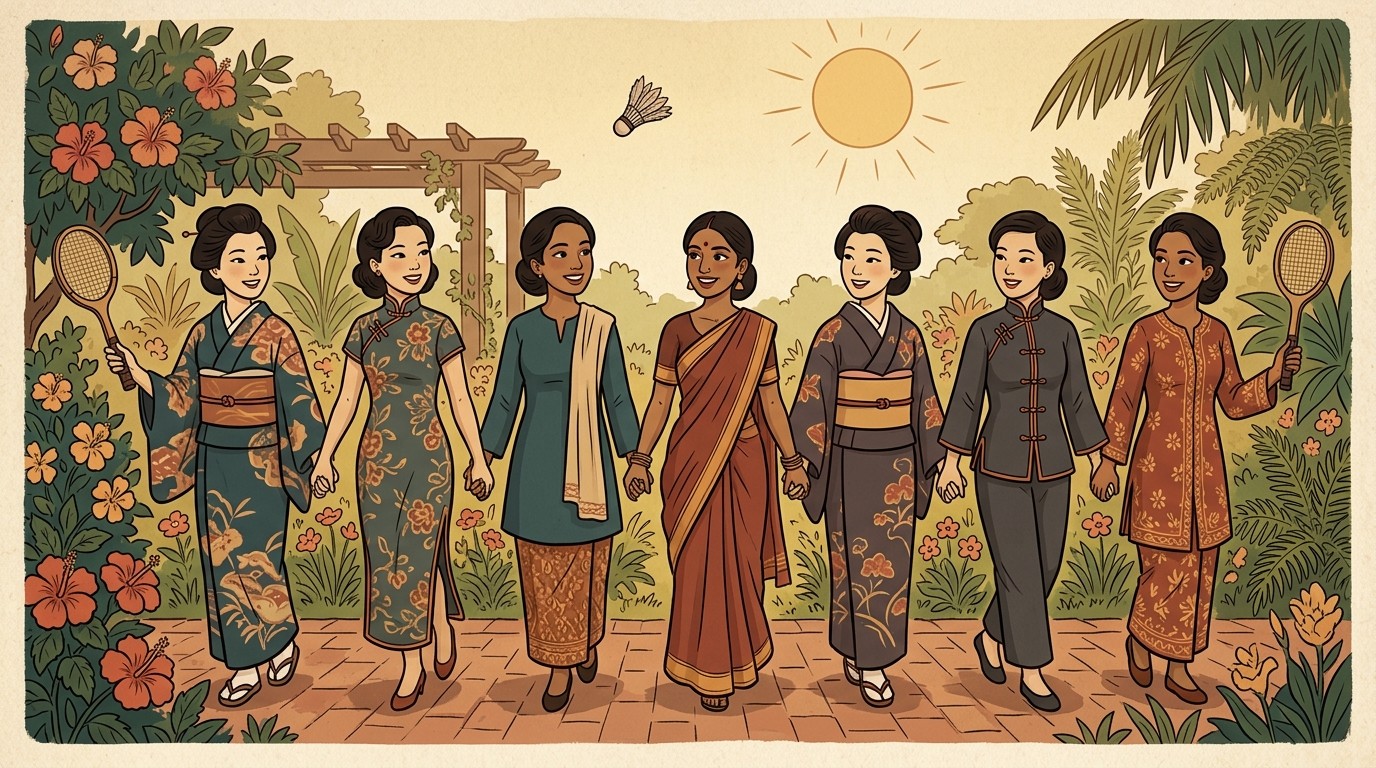
- Details: seven women in Japanese, Chinese, Malay and Indian dress play a Japanese game and walk hand in hand.
- Message: the communities of Syonan-to were united and living in harmony under Japanese rule.
- Intention: aimed at people living under the Occupation, it sought to make them feel hopeful and to accept Japanese rule, while concealing the unequal treatment of different communities.
In One Sentence
- The Japanese sought support through propaganda, social benefits and race-based policies that favoured some communities over others, winning some loyalty but deepening divisions.
Think About It
- The Japanese called themselves liberators. How might a Chinese family who had lived through Sook Ching have reacted to that word?
- Why would treating each community differently make it harder for people in Singapore to work together against Japanese rule?
- Some Indians joined the INA and others stayed loyal to the British. What might have made someone choose one side or the other?