How Did the Japanese Use Fear to Control Singapore?
How Did the Japanese Use Fear to Control Singapore?
After the British surrender, the Japanese moved swiftly to impose order on a city gripped by and destruction. Their rule rested on two complementary strategies: coercion, which compelled obedience through fear, and persuasion, which sought to win loyalty. These notes examine coercion: how harsh public punishments, the 's pervasive system of surveillance and the public parade of prisoners combined to deter resistance.
The Context: A City in Disorder
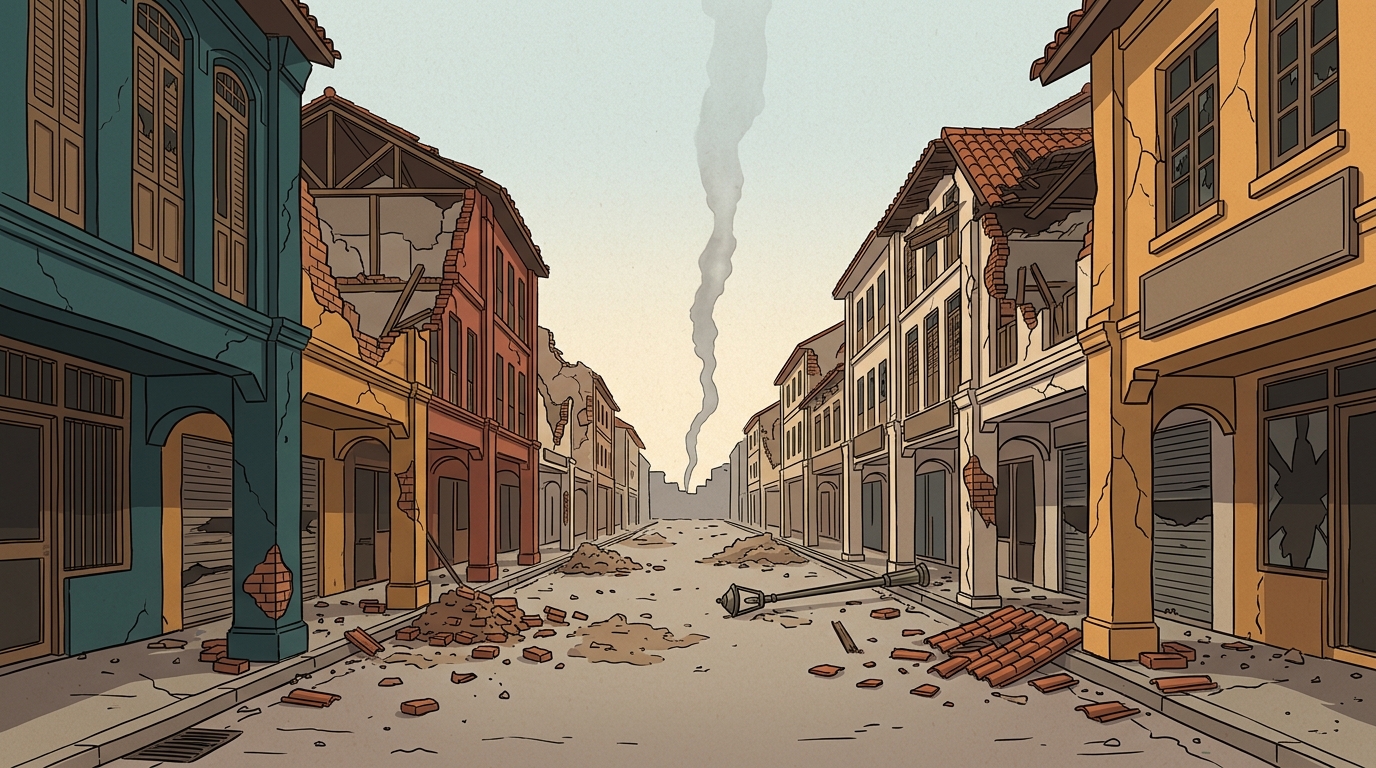
- Destruction: Japanese bombing had inflicted heavy casualties and left much of the city in ruins.
- Lawlessness: widespread looting exposed a breakdown of authority that the Japanese needed to reverse quickly.
- Two strategies: coercion (these notes) and persuasion (Video 4) were used side by side to secure control.
How Did the Japanese Use Fear to Control Singapore?
Way 1: Harsh Punishments
- PPointThe Japanese used harsh, public punishments to deter the population from defying their authority.
- EEvidenceLooters who were caught were executed, and their heads were displayed outside the Cathay Building and on bridges over the Singapore River. were also used against anyone the Japanese regarded as an enemy.
- EElaborationBecause these displays were placed at busy public sites, they served as a deliberate warning to the whole population, not merely a punishment for individual offenders. The threat of the same fate discouraged both crime and open opposition.
- LLinkHence, harsh public punishments allowed the Japanese to restore order and establish control through fear.
Way 2: The Kempeitai
- PPointThe Japanese relied on the Kempeitai, their military police, to build a pervasive system of surveillance that suppressed resistance.
- EEvidenceThe Kempeitai rewarded with food or cash for reporting on others, arrested anyone suspected of being anti-Japanese, and tortured suspects for information. Some were imprisoned and others executed.
- EElaborationBecause anyone could be an informant, people could not trust even their neighbours. This widespread mistrust made organised opposition almost impossible, as no one could be sure who might report them.
- LLinkThus, the Kempeitai's surveillance strengthened Japanese control by ensuring that few dared to resist.
Way 3: Parading Allied Prisoners
- PPointThe Japanese publicly paraded Allied prisoners of war to undermine British prestige.
- EEvidenceBritish, Australian and other Allied prisoners, including women and children, were imprisoned, and were marched through the streets from Bukit Timah Road to Changi Prison and the nearby barracks.
- EElaborationWatching their former rulers humiliated shattered the belief that the British were invincible. If the British could not withstand the Japanese, ordinary people concluded that opposing Japanese rule was futile.
- LLinkTherefore, the march reinforced Japanese authority by convincing people that no one could challenge the new rulers.
Living With Fear
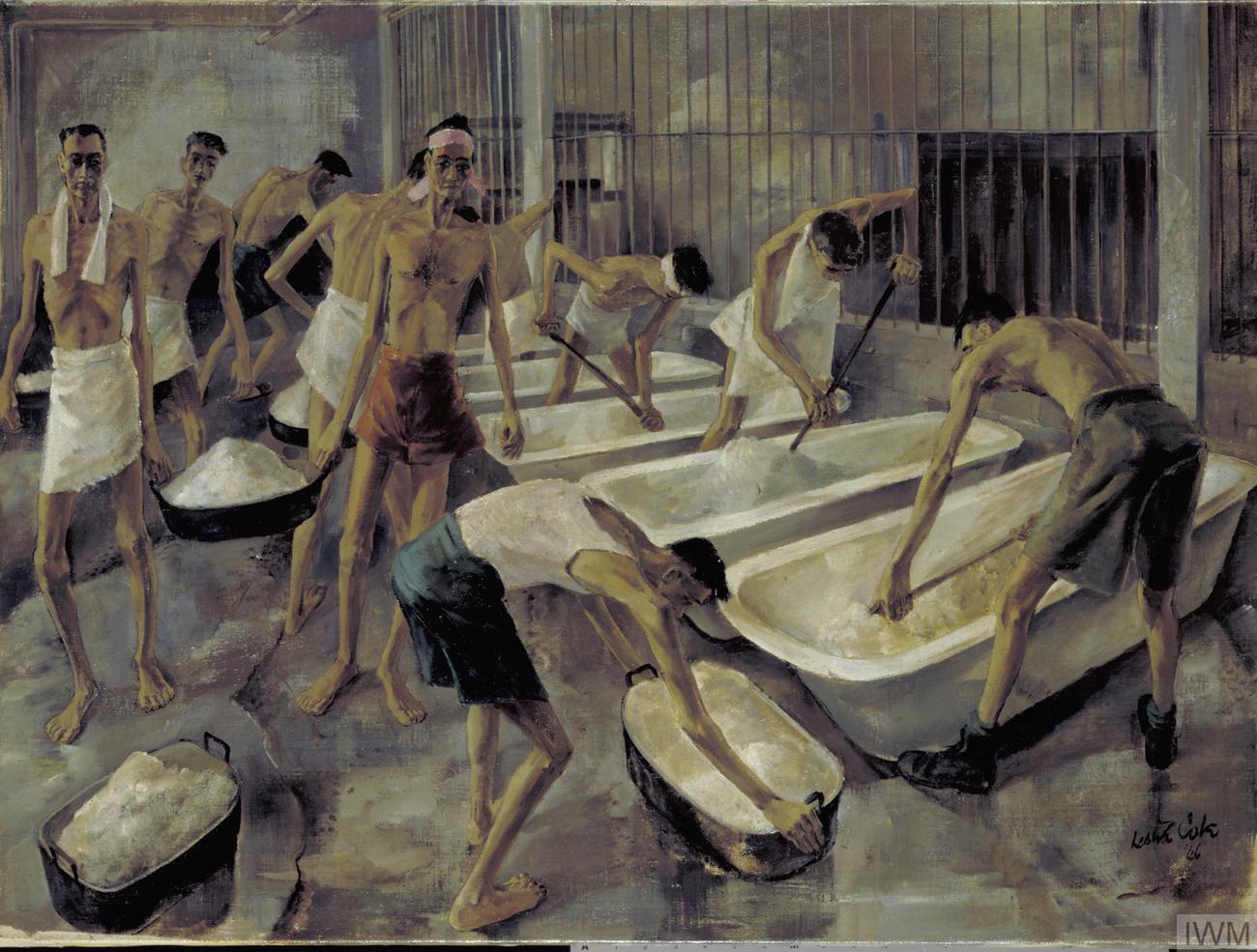
- Self-preservation: most people kept a low profile and went about their business quietly to avoid attracting Japanese attention.
- Erosion of trust: rewarding informants bred mutual suspicion within families, neighbourhoods and communities.
- Quiet defiance: some onlookers passed food and money to the marching POWs despite the risk, showing that fear did not wholly extinguish compassion.
In One Sentence
- Through public executions, the Kempeitai's pervasive surveillance and the humiliation of Allied prisoners, the Japanese used fear to deter resistance and establish control over Singapore.
Think About It
- Which of the three ways do you think frightened people most, and why? Was it the one they could see, or the one they couldn't?
- How do you think local people viewed the British when they saw them marched through the streets as prisoners?
- People passed food and money to the POWs even though they could be punished. What does that tell you about whether fear controlled everyone completely?