What Was Operation Sook Ching, and Why Were the Chinese Targeted?
What Was Operation Sook Ching, and Why Were the Chinese Targeted?
Japanese coercion fell most heavily on the Chinese community. Perceived as hostile because of its support for China's war against Japan, the community was subjected to , a systematic , and its business leaders were coerced into paying a $50 million “gift” through the . These notes explain why the Chinese were targeted, how the purge was carried out, why its death toll remains contested, and how the community was crippled economically.
What Was Sook Ching?
- Meaning: “Sook Ching” means “cleansing”.
- Aim: to identify and eliminate people regarded as anti-Japanese.
- Target: a systematic purge of Chinese men suspected of anti-Japanese sentiment.
- In charge: the operation was run by the Kempeitai, the Japanese military police.
What Was Operation Sook Ching, and Why Were the Chinese Targeted?
Why the Chinese Were Targeted
- PPointThe Japanese targeted the Chinese because they perceived the community as a threat to Japanese rule.
- EEvidenceAfter Japan invaded China in 1937, the Chinese in Singapore boycotted Japanese goods, raised funds for China's war effort through the , and some returned to China to fight.
- EElaborationThese activities convinced the Japanese that the Chinese in Singapore had long sided with their enemy and were the community most likely to resist the Occupation, so they set out to crush any potential opposition at the start.
- LLinkHence, the Chinese were singled out for the harshest treatment, beginning with Operation Sook Ching.
How the Screening Worked
- Notices ordered all Chinese men aged 18 to 50 to report to across the island, such as the old YMCA building on Stamford Road.
- The men filed past Japanese officers while hooded informants identified those they claimed were anti-Japanese.
- The Japanese looked especially for secret society members with tattoos, former Chinese civil servants and journalists, who were thought to have stronger links with China.
- Those who passed received a stamp on their paper, clothing or skin, which allowed them to go home.
- Those who failed were marked with a triangle and taken away; many were executed on beaches such as Punggol and Changi.
How Many Died? A Contested Figure
- Japanese records: about 6,000 people were killed.
- Other estimates: between 25,000 and 50,000.
- Why they differ: records of the killings were incomplete, and the figure produced by those who carried them out may have understated the toll, so historians cannot be certain of the true number.
- Physical evidence: in 1963, human remains were unearthed together with victims' belongings, such as a wallet, a whistle, earrings and a stethoscope.
The $50 Million “Gift”
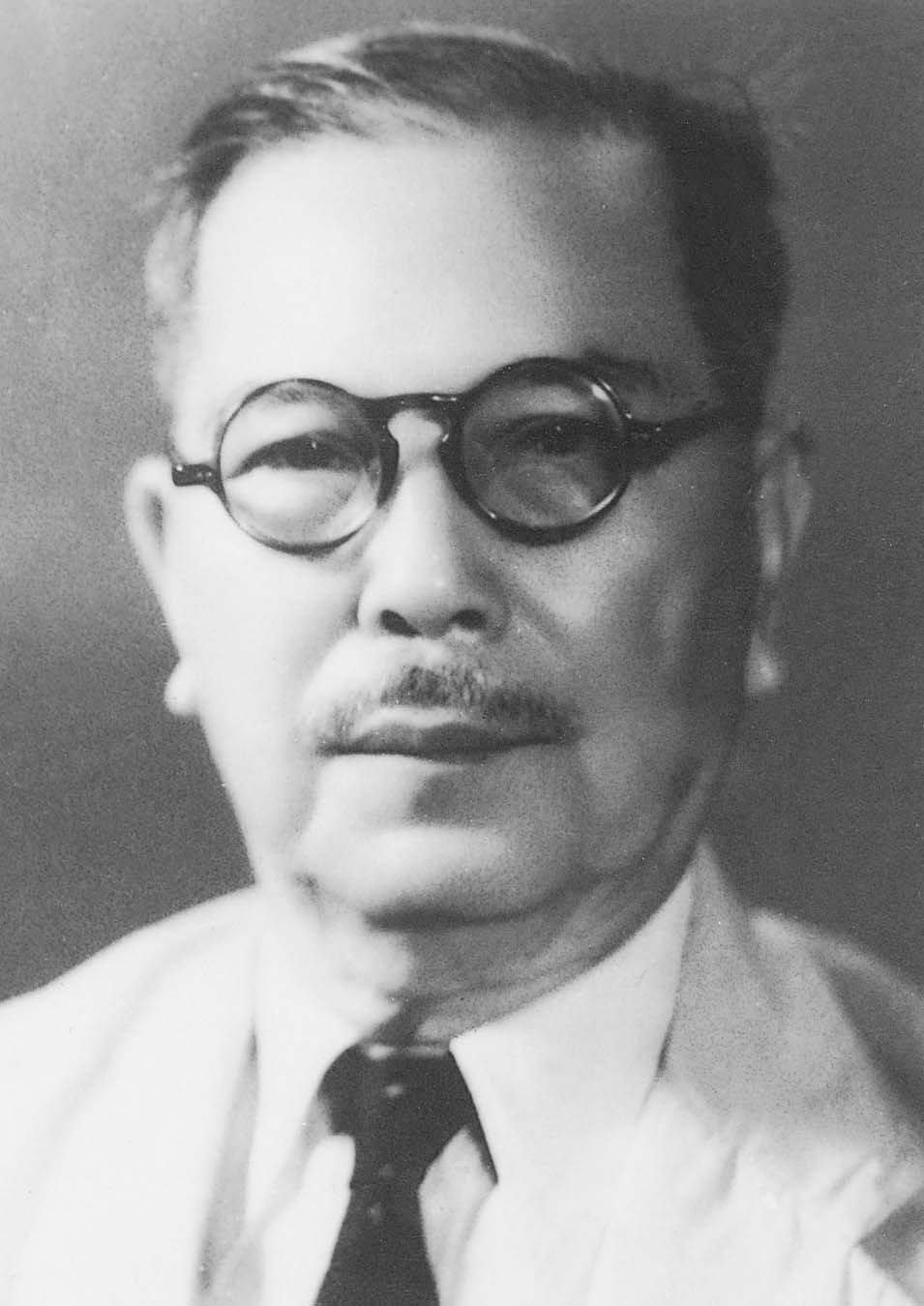
- Why the businessmen: wealthy Chinese businessmen had funded the China Relief Fund, which helped China resist Japan.
- Tan Kah Kee: he led the fund from 1937, organised drivers and mechanics from Singapore to carry supplies to China, and promoted the of Japanese goods.
- The OCA: the Japanese set up the Overseas Chinese Association to link the Chinese community with the Japanese administration, and coerced Dr Lim Boon Keng into heading it.
- The “gift”: the OCA was ordered to pay 50 million Straits dollars as retribution for supporting China's war and the British war effort, crippling the community economically.
Remembering
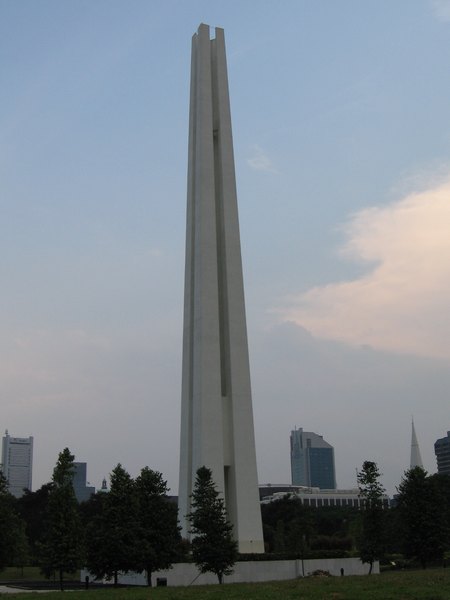
- The memorial: the Civilian War Memorial on Beach Road was built in the late 1960s to commemorate the civilians killed during the Occupation.
- Every year on 15 February, people gather there to remember them.
In One Sentence
- Because the Japanese perceived the Chinese as hostile, the community was subjected to the Sook Ching purge and coerced into paying a $50 million “gift”, making it the most harshly treated group in the Occupation.
Think About It
- A hooded informant could point at anyone. How do you think this changed the way people in the Chinese community felt about one another?
- Japanese records say 6,000 died; other estimates say 25,000 to 50,000. Why might the numbers be so different, and whose records would you trust more?
- The Chinese were treated much more harshly than other groups. How might that have shaped how different communities remembered the Occupation?