What Did People Experience During the Japanese Occupation?
What Did People Experience During the Japanese Occupation?
These notes answer the chapter's central question: what did the people in Singapore during the Japanese Occupation? Applying the concept of , they show that almost everyone endured fear and , but that race-based policies and individual choices meant the intensity of that experience depended greatly on who a person was.
Same Place, Different Stories
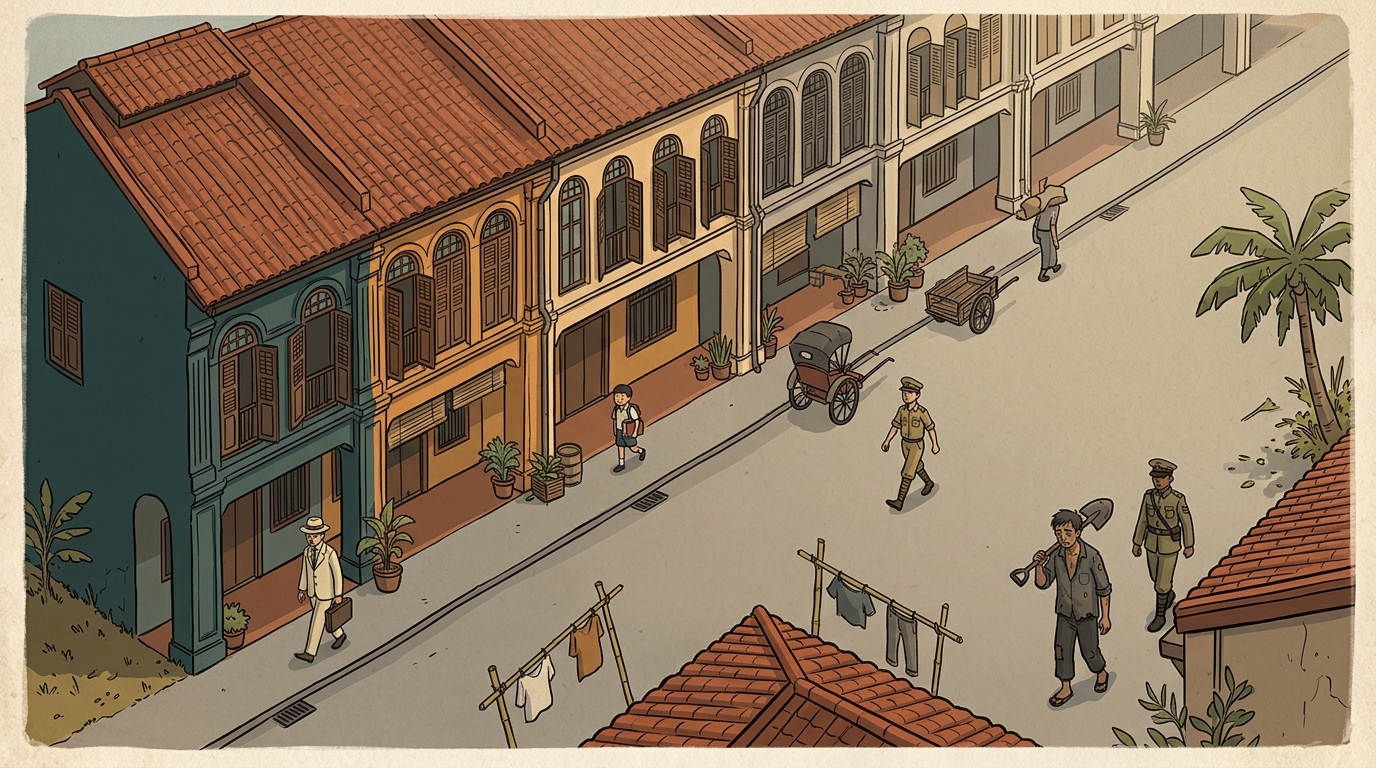
- The big picture: from 15 February 1942 to 12 September 1945, almost every part of life, including food, education and work, was controlled by the Japanese.
- Diversity: people can experience the same events very differently, so historians study multiple to build a complete picture.
- Four perspectives: a Chinese businessman forced to contribute to the $50 million “gift”, a Malay student learning Nippon-go, an Indian soldier weighing whether to join the INA, and an Allied prisoner of war.
What Did People Experience During the Japanese Occupation?
Fear
- PPointMany people lived in constant fear, and the Chinese were especially targeted.
- EEvidenceHarsh public punishments and the Kempeitai's pervasive system of surveillance meant that nobody knew whom to trust. Operation Sook Ching killed thousands of Chinese men, and Chinese leaders were coerced into paying a $50 million “gift”.
- EElaborationBecause the Japanese perceived the Chinese as hostile for supporting China's war against Japan, the community bore the brunt of Japanese coercion, while other communities lived in fear without being singled out in the same way.
- LLinkHence, fear was part of almost everyone's experience, but it was most intense for the Chinese.
Favour for Some
- PPointSome communities were treated more leniently because the Japanese sought their support.
- EEvidencePoorer Malays received rice, sugar and salt for Hari Raya Puasa, and Malays and Indians paid lower Causeway fees than the Chinese. Many Indians were drawn to the Indian National Army by the promise of a free India.
- EElaborationThese race-based policies meant that experiences differed sharply by community. Yet favour was conditional: Indians loyal to Britain were imprisoned, Eurasians were viewed with suspicion, and collaborators from several communities later faced reprisals.
- LLinkThus, Japanese race-based policies made the Occupation markedly different depending on which community a person belonged to.
Hardship for All
- PPointRegardless of background, almost everyone endured severe hardship.
- EEvidenceFood was rationed, inflation and the black market sent prices soaring, and banana notes lost their value. 130,000 deaths were recorded, many from diseases such as beriberi, while POWs perished on the Death Railway and settlers died at Bahau.
- EElaborationEven communities that were treated more leniently still went hungry and lived under Japanese control, showing that hardship cut across racial lines.
- LLinkTherefore, hardship was the one experience that nearly everyone in Singapore shared.
Making a Judgement
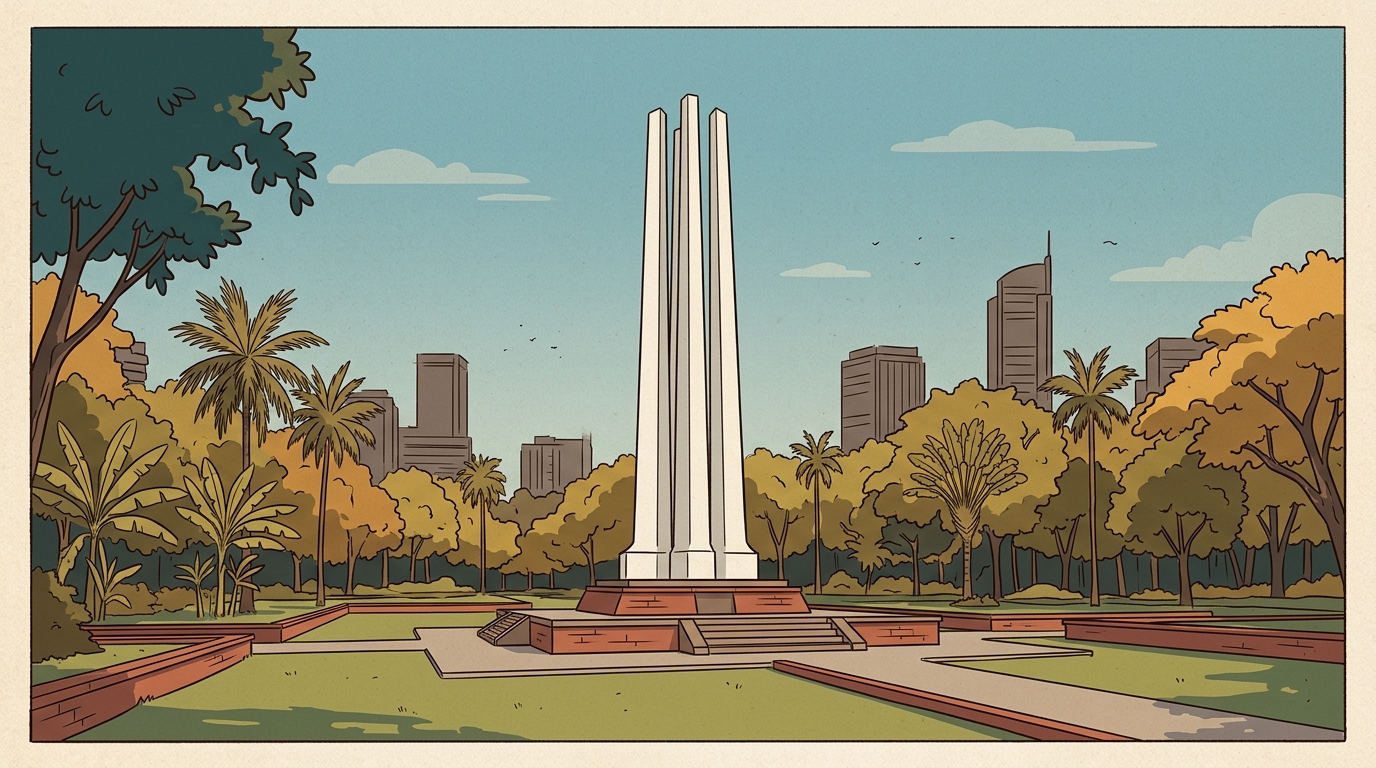
- Shared experience: almost everyone lived in fear and lacked basic necessities.
- Unequal treatment: the Chinese were especially targeted, some Malays and Indians were treated more leniently, and prisoners of war suffered hunger, overcrowding and forced labour, with many dying.
- Different choices: most people kept their heads down, some collaborated and a few resisted.
- Judgement: the Occupation brought fear and hardship to almost everyone, but how severe it was depended on a person's community, circumstances and choices.
In One Sentence
- During the Japanese Occupation almost everyone endured fear and hardship, but race-based policies and individual choices meant that experiences differed greatly depending on who people were.
Think About It
- Imagine you were a Chinese businessman, a Malay student learning Japanese, or an Indian soldier thinking about joining the INA. What two experiences might you write about in a diary between 1942 and 1945?
- Some communities were treated better than others. How might that have affected the way communities in Singapore felt about each other after the war?
- Why is it important to look at more than one person's experience before deciding what the Occupation was like?