How Did the Japanese Try to Make Singapore Japanese?
How Did the Japanese Try to Make Singapore Japanese?
Beyond compelling obedience, the Japanese sought to change how people thought and felt, so that they would become loyal subjects of the Japanese Empire. A loyal population could also be mobilised to support Japan's continuing war in the Asia-Pacific. These notes explain why the Japanese imposed their culture, the three ways they did so (, and Japanese customs in public life), and why their efforts achieved only limited success.
How Did the Japanese Try to Make Singapore Japanese?
Why Impose Japanese Culture?
- PPointThe Japanese imposed their culture to cultivate genuine loyalty rather than mere obedience.
- EEvidenceStudents and many adults had to learn Nippon-go, students sang and bowed to the Emperor's portrait every morning, and everyone had to follow the Japanese calendar of holidays.
- EElaborationBy immersing people in Japanese traditions, the Japanese hoped to instil Nippon seishin, the Japanese spirit, so that people would identify with Japan. A loyal population could then be mobilised to provide the labour, resources and manpower that Japan's war in the Asia-Pacific demanded.
- LLinkHence, cultural policies were designed to secure lasting loyalty and support for the Japanese war effort.
Way 1: Nippon-go, the Japanese Language
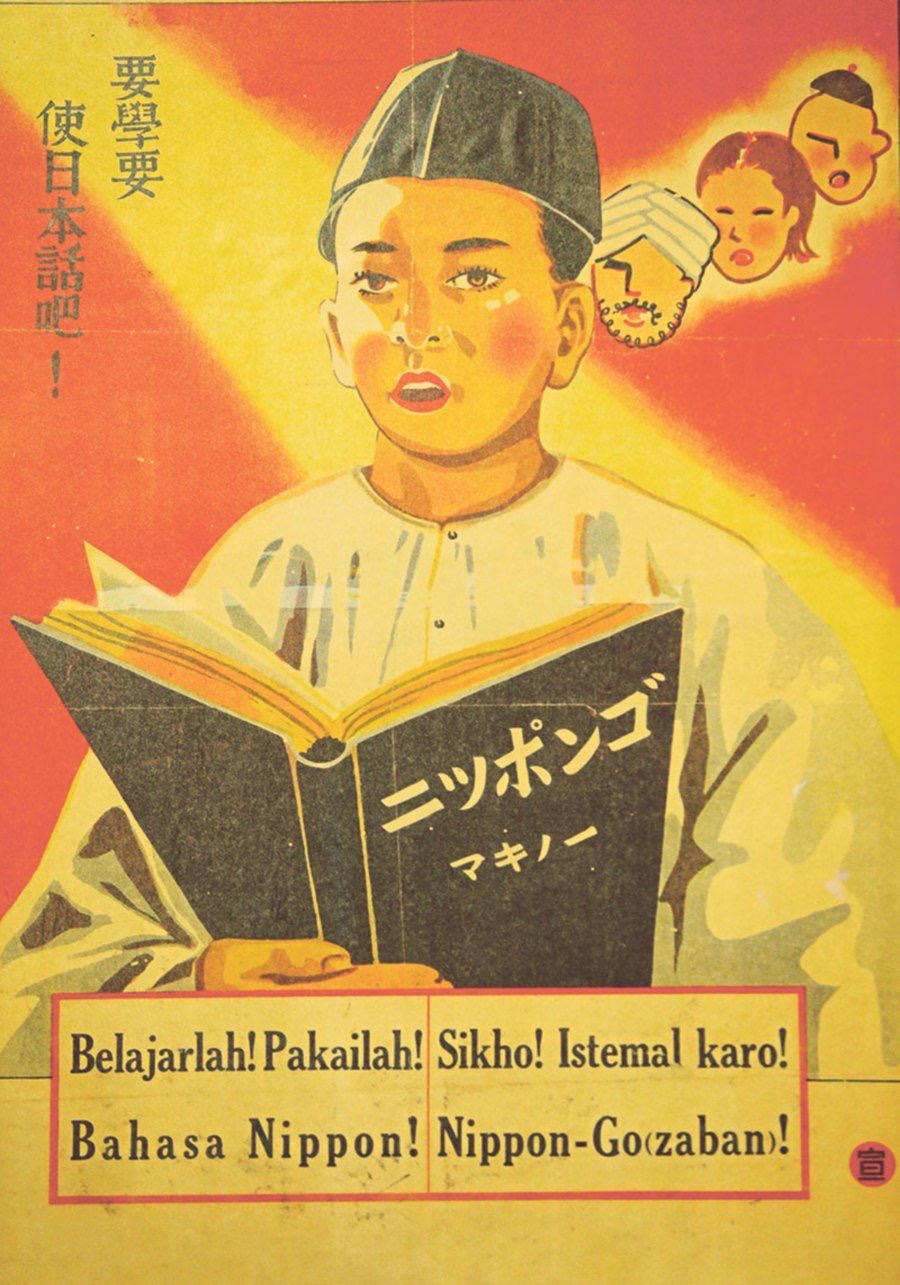
- In schools: Japanese replaced English, with daily lessons delivered over the schools' broadcasting service.
- Beginners' books: Nippon-go readers praised the beauty and greatness of Japan, so students absorbed admiration for Japan as they learnt the language.
- Adults too: many adults, including teachers, were required to attend Japanese classes several times a week.
- In the newspapers: the Syonan Shimbun printed regular Nippon-go lessons, vocabulary exercises and picture charts.
- Incentives: competitions, awards, extra rations, pay rises and promotions encouraged learning; amid severe food shortages, extra rations were a powerful motive.
Way 2: Nippon seishin, the Japanese Spirit
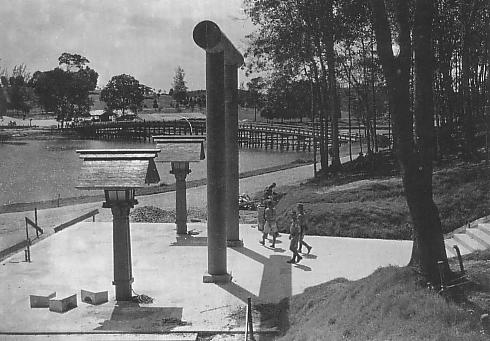
- Aim: to instil loyalty, discipline and a Japanese identity, promoted hand in hand with the language.
- Daily rituals: students sang Kimigayo, the Japanese national anthem, and bowed to the Emperor's portrait before lessons; they also learnt Japanese folk songs.
- Mass exercises: people exercised together daily to music broadcast on public radio, reflecting the Japanese emphasis on discipline and fitness.
- Martial arts: selected young people were trained in to spread the Japanese spirit in schools.
- Everyday life: publications such as the Sakura Shimbun, a newsletter for schoolchildren, carried Japanese values into daily routines.
Way 3: Japanese Customs in Public Life

- Bowing: people had to bow to Japanese soldiers and sentries; anyone who failed to do so risked being slapped or beaten.
- The Japanese calendar: residents observed the same festivals and anniversaries as Japan.
- Victory anniversaries: these included National Foundation Day (11 February, also the day Japan captured Bukit Timah), the British surrender (15 February, celebrated only in Syonan-to), Army Day (10 March), Navy Day (27 May) and the start of Japan's war with Britain and the United States (8 December).
- Effect: every year, people were made to mark Japan's victories, including the defeat of their former rulers, constantly reinforcing Japan's dominance.
How Far Did It Work?
- Outward compliance: people learnt Japanese words and songs, attended assemblies and joined .
- Limited loyalty: genuine loyalty was undermined by the fear the same rulers created through the Kempeitai and Sook Ching; it is difficult to embrace a culture imposed by those you fear.
- Judgement: Japanese cultural policies achieved only limited success, changing how people behaved more than what they believed.
In One Sentence
- The Japanese imposed their language, values and customs to cultivate loyalty and mobilise support for their war, but fear and coercion meant they won outward compliance rather than genuine loyalty.
Think About It
- Extra rations, pay rises and promotions were rewards for learning Nippon-go. Does learning a language for a reward make you loyal to the people who speak it? Why or why not?
- Students sang Kimigayo and bowed to the Emperor's picture every morning. Can doing something every day change what you believe, or only how you act?
- Why might being made to celebrate the British surrender every 15 February have felt different to different communities in Singapore?