How Did People Survive the Shortages?
How Did People Survive the Shortages?
The Occupation brought severe and worsening of food and essential goods. Disrupted trade and the diversion of resources to Japan's war effort created scarcity, while and the placed even basic necessities beyond the reach of ordinary families. These notes explain these causes and evaluate the three ways people tried to survive (, selling and bartering, and ), none of which resolved the shortage.
Why Food Ran Short
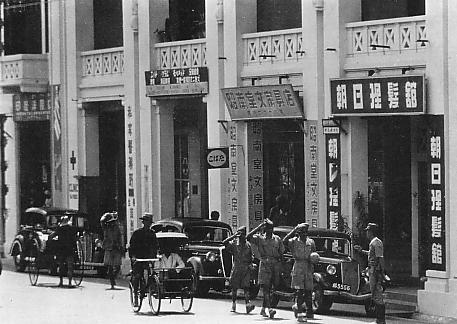
- War disrupts trade: Singapore depended heavily on imports for essential commodities, so the war severely cut supplies from overseas.
- Japan's war effort takes priority: the scarce resources that remained were diverted to the Japanese military rather than the civilian population.
- The result: an acute shortage of food and other essentials that worsened as the war dragged on.
Inflation and the Black Market
- Inflation: with too few goods to go round, prices spiralled, so each dollar bought less and less.
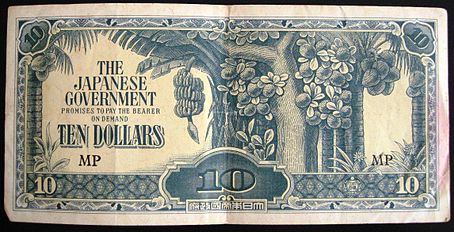
- Devaluation: the Japanese printed ever more “”, named after the banana trees on the ten-dollar note, until they were almost worthless.
- The black market: scarce goods were traded illegally at exorbitant prices, placing basic necessities beyond the reach of ordinary families.
- The scale: an egg rose from 3 cents before the war to $15 by 1945, and people carried bags of money to go shopping.
How Did People Survive the Shortages?
Way 1: Rationing
- PPointOne way people survived the shortages was through rationing, which allocated each household a fixed share of the scarce food supply.
- EEvidenceAfter the first few weeks of the Occupation, rice, salt and sugar were strictly rationed. and rice purchasing cards fixed how much each household could buy each week.
- EElaborationRationing spread the limited supply more evenly, so that families could obtain at least some food. However, the fixed share was insufficient, shops often ran out, and rations shrank as the rice shortage grew more severe.
- LLinkHence, rationing helped people survive, but it could not resolve the shortage.
Way 2: Selling and Bartering
- PPointA second way people survived was by selling or bartering their possessions for food.
- EEvidenceOne man recalled his mother selling her jewellery, such as an earring set, to buy rice and sugar; gold ornaments fetched the highest value. Others exchanged goods directly for what they needed, and stored food in containers and old trunks to make it last.
- EElaborationTurning possessions into food allowed families to supplement inadequate rations, but each sale gradually depleted what they owned, and families with nothing valuable had nothing to fall back on.
- LLinkThus, selling and bartering helped people survive, but only by steadily depleting their possessions.
Way 3: Self-Sufficiency
- PPointA third way people survived was by becoming more self-sufficient and growing their own food.
- EEvidenceEncouraged by the Japanese, people cultivated vegetables, tapioca and sweet potatoes. One teacher wrote that tapioca, the “once despised” root, replaced rice as the main food, and that after several months his family grew enough to supplement their small rice ration.
- EElaborationHome-grown food eased hunger, but it took months of hard work and still could not provide enough; the same teacher's family longed for meat they could not afford. When self-sufficiency failed to end the shortage, the Japanese began relocating people out of Singapore to farm.
- LLinkTherefore, self-sufficiency helped people survive, but it could not resolve the shortage.
In One Sentence
- Disrupted trade, the diversion of resources to the war, inflation and the black market created severe shortages, and although rationing, selling and bartering, and self-sufficiency helped people survive, none of them resolved the shortage.
Think About It
- Which of the three ways of surviving do you think worked best, and for whom? Would your answer be different for a poor family and a wealthy one?
- Why would printing more and more banana notes make prices rise even faster?
- The black market was illegal, yet many people used it. Was it a cause of hardship, a way of surviving, or both?