Did People Collaborate or Resist?
Did People Collaborate or Resist?
People in Singapore responded to Japanese rule in three main ways. The majority kept their heads down to survive; some collaborated, whether willingly or under duress; and a minority resisted at great personal risk. These notes examine each response, and the groups and individuals, such as the Malay Regiment, the MPAJA, , Lim Bo Seng and Elizabeth Choy, whose resistance is still remembered.
Three Ways to Respond
- Keeping their heads down: the majority avoided attracting Japanese attention, prioritising survival over confrontation.
- Collaboration: some worked with the Japanese, either willingly or because they were threatened or forced by their circumstances.
- Resistance: a minority actively opposed Japanese rule at great personal risk.
Collaboration
- Malays: the Japanese actively sought Malay support to help run the administration; some Malays served in the police or in neighbourhood associations that reported suspected anti-Japanese activity.
- Chinese informants: some Chinese acted as informants for the Kempeitai during Operation Sook Ching, helping to identify people regarded as anti-Japanese.
- Under duress: collaborators came from different communities, and many did not have a free choice.
Resistance
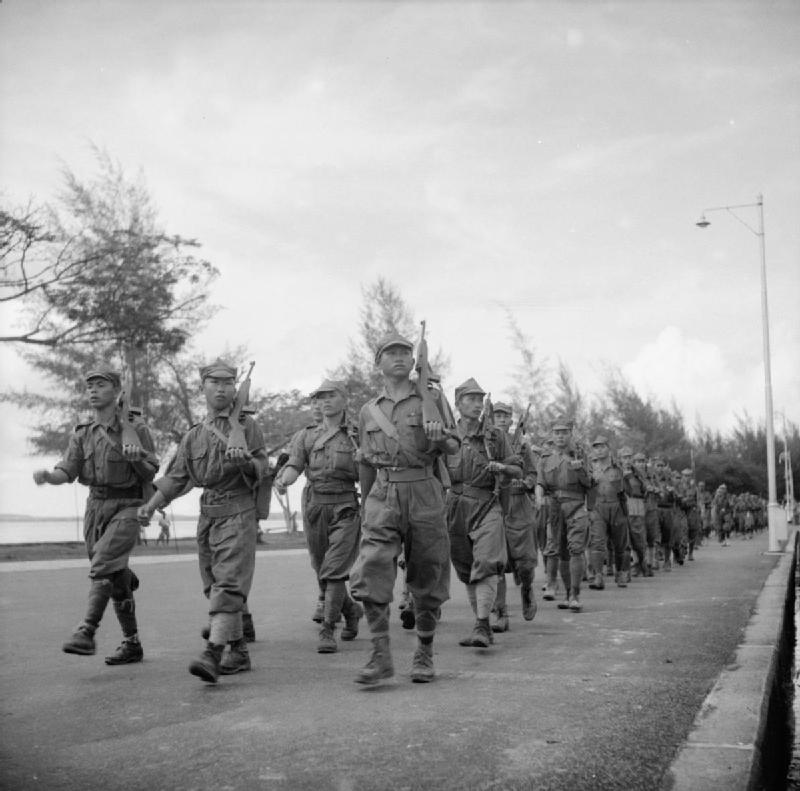
- The Malay Regiment: seven senior officers refused to pledge allegiance to Japan or fight for it, and were executed for their defiance.
- Armed resistance: others responded to Japanese ill-treatment by joining resistance forces, most notably the and Force 136.
- A shared goal: both groups aimed to drive the Japanese out, and both worked with the British.
Did People Collaborate or Resist?
How the Resistance Fought Back
- PPointResistance groups actively challenged Japanese rule in order to weaken Japanese control and drive the Japanese out.
- EEvidenceThe MPAJA's guerrillas carried out against Japanese officers and soldiers and circulated anti-Japanese newspapers and posters. Force 136, a secret organisation set up by the British, gathered intelligence on the Japanese and organised sabotage.
- EElaborationSabotage disrupted Japanese operations, anti-Japanese publications kept resentment of Japanese rule alive, and intelligence gathered by Force 136 aided the British, who shared the resistance's goal of defeating Japan.
- LLinkThus, although they were few, resistance groups risked their lives to undermine Japanese rule while most people kept their heads down.
Lim Bo Seng
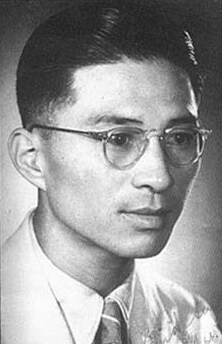
- Before the war: a prominent Hokkien businessman who came to Singapore from China at 16, he led activities to support China's war effort against Japan, including a boycott of Japanese goods.
- 1942: as Japanese troops advanced from Johor, he helped blow up the Causeway to slow them down, then escaped to India and joined Force 136.
- Capture: in 1943 he helped build an intelligence network in Malaya; captured in March 1944, he revealed nothing under torture and died in prison on 29 June 1944.
- Impact: buried with full military honours at MacRitchie Reservoir, he became an enduring symbol of sacrifice; the Lim Bo Seng Memorial at Esplanade Park was gazetted a national monument in 2010.
Elizabeth Choy
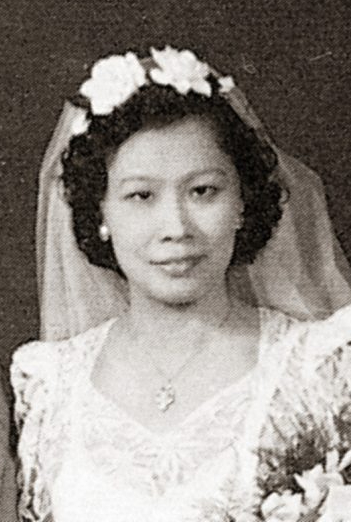
- Secret help: born in North Borneo (present-day Sabah), she ran a canteen at the Mental Hospital with her husband and secretly smuggled food, money, medicine and messages to British prisoners of war.
- Imprisonment: she was held by the Kempeitai at their Stamford Road headquarters for close to 200 days.
- Forgiveness: after the war she refused to name the men who had hurt her, saying they had acted as they did because of the war.
- Impact: awarded the OBE, she became the first woman on the Legislative Council in 1951 and the first principal of the Singapore School for the Blind in 1956, a pioneer for women in public life.
In One Sentence
- During the Occupation most people kept their heads down, some collaborated willingly or under duress, and a courageous minority, including the MPAJA, Force 136, Lim Bo Seng and Elizabeth Choy, resisted at great personal risk.
Think About It
- Some people collaborated because they were threatened or forced. Should we judge them the same way as people who collaborated willingly? Why or why not?
- Most people simply kept their heads down. Was that a sensible choice, a cowardly one, or something else? What do you think you would have done?
- Elizabeth Choy refused to name the men who hurt her. Why do you think she chose to forgive them, and what does that tell you about her?