What Problems Did People Face After the Japanese Surrendered?
What Problems Did People Face After the Japanese Surrendered?
Japan's in August 1945 ended the Occupation, and the returning British were greeted with relief. Yet the inherited a devastated society facing three urgent problems: food shortages, economic hardship and disrupted schooling. These notes examine how the BMA responded, why its slow progress dashed high expectations, and how the resulting fuelled a growing desire for self-rule.
How Japan Lost the War
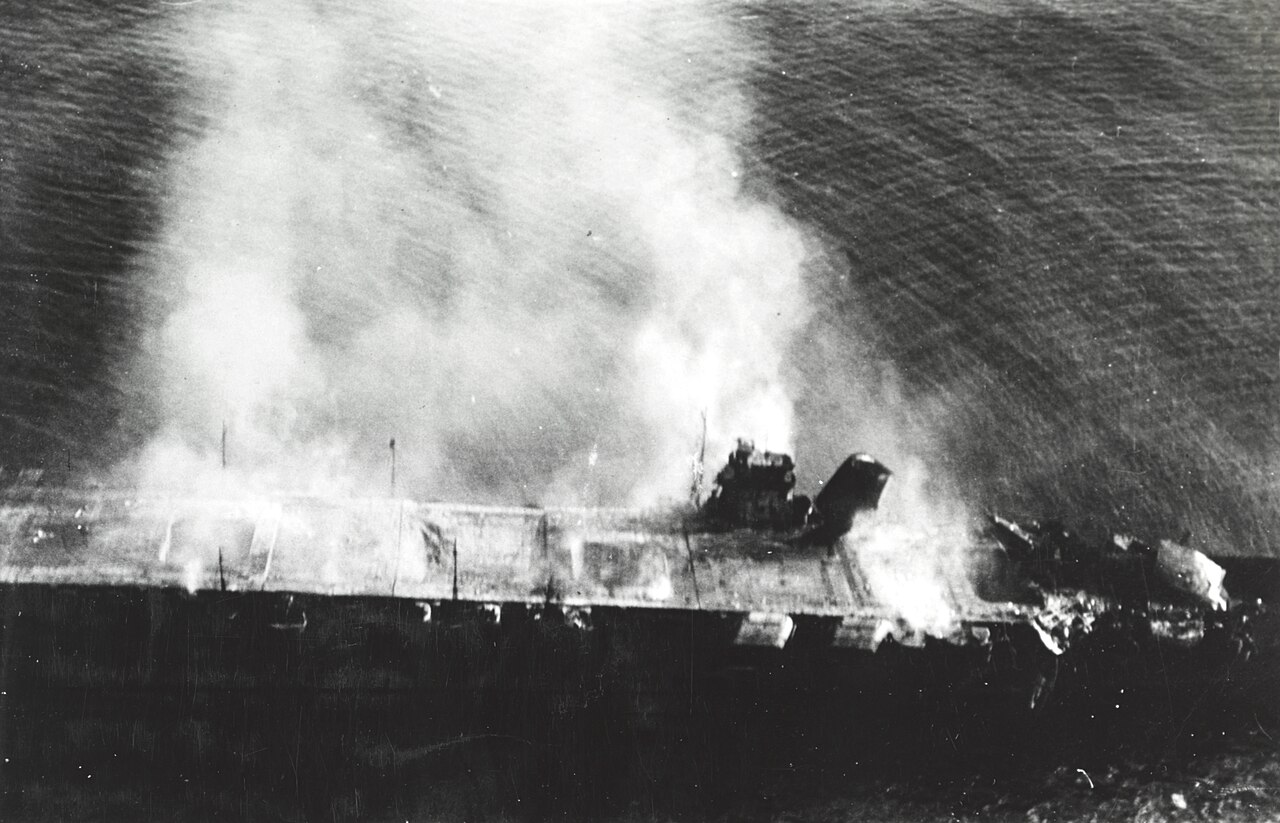
- Mounting defeats: Japan lost a series of battles to the Allies, such as the Battle of Midway, which halted its advance in Southeast Asia.
- 1945: Germany's surrender allowed the Allies to concentrate on defeating Japan.
- Atomic bombs: on 6 and 9 August 1945, the Allies dropped atomic bombs on Hiroshima and Nagasaki, with an estimated total death toll of 214,000.
- Surrender: Emperor Hirohito announced Japan's surrender on 15 August 1945; the formal surrender was signed on 2 September 1945 aboard the USS Missouri in Tokyo Bay.
The Surrender in Singapore
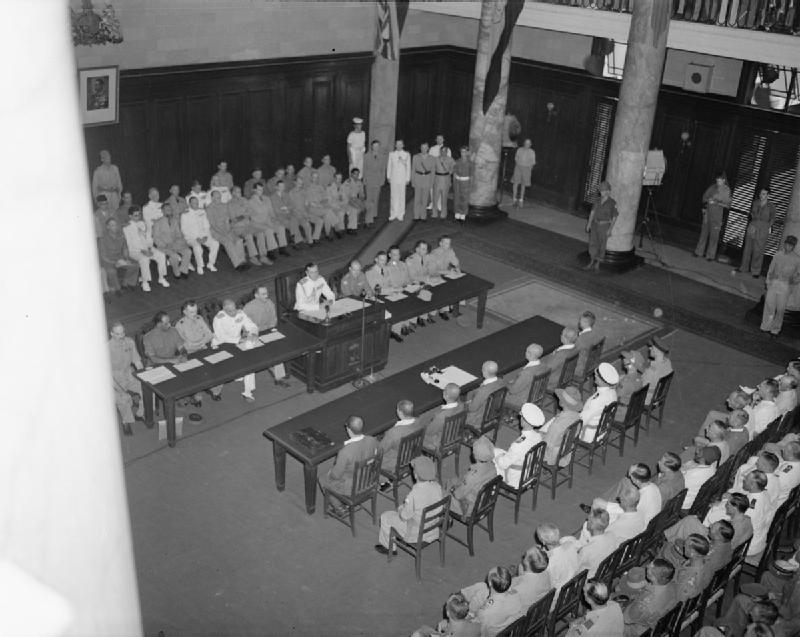
- 12 September 1945: the formal Japanese surrender in Singapore was signed at City Hall.
- Reversal of fortune: stripped of their swords and ranks, the Japanese were jeered by huge crowds, while the returning British were welcomed with cheers.
Revenge
- Reprisals: after the war, the MPAJA took on people who had actively collaborated with the Japanese.
- Targets: these included Chinese who had been informants during Operation Sook Ching and Malays who had served in the police.
- Communal tensions: because the Japanese had treated each community differently, these reprisals deepened ill feelings between communities that persisted long after the war.
The BMA Takes Over
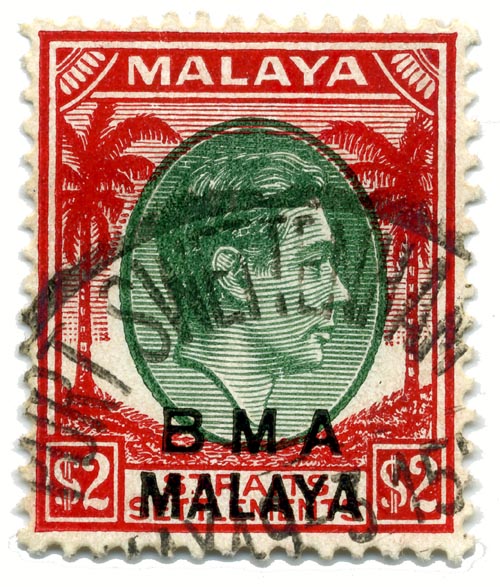
- What it was: the British Military Administration governed Singapore and Malaya from 5 September 1945 to 31 March 1946.
- Who ran it: professional soldiers and former European civil servants who had joined the army during the war.
- Its aims: to restore law and order and to begin rebuilding after the war.
- The challenge: food and water were scarce and the railway barely functioned.
What Problems Did People Face After the Japanese Surrendered?
Problem 1: Food Shortages
- PPointThe most urgent problem facing the BMA was a severe shortage of food.
- EEvidenceThe war had crippled farming and shipping: rice-growing countries such as Thailand could not produce enough to export, many merchant ships had been destroyed, sunken ships blocked the harbour, and few warehouses remained to store food.
- EElaborationThe BMA cleared the harbour, controlled the prices of basics such as sugar, salt, fish and vegetables, and provided free meals for children under six. Yet rationing continued and even envelopes urged people to “Delay Your Spending”, showing how slowly supplies recovered.
- LLinkHence, food shortages remained a pressing hardship long after the Japanese surrender.
Problem 2: Economic Hardship
- PPointMany families faced sudden economic hardship when the money they held lost its value.
- EEvidenceOn 7 September 1945, the BMA declared that banana notes were no longer official currency.
- EElaborationFamilies who had not kept any saw their savings wiped out overnight and had to borrow to survive. The BMA's special proved inadequate, especially for large families.
- LLinkThus, the end of the war left many people poorer rather than better off.
Problem 3: Disrupted Schooling
- PPointThe war had severely disrupted children's education, and rebuilding it proved difficult.
- EEvidenceThe BMA reopened schools swiftly in October 1945, for school-age children and older children who had missed school, giving grants and waiving fees for poor families; by March 1946, 62,000 students were enrolled.
- EElaborationDespite the swift reopening, schools lacked basic equipment. One teacher recalled Malay schools with no proper blackboards or textbooks, so emergency pamphlets had to be produced as teaching materials.
- LLinkTherefore, schools reopened quickly, but restoring the quality of education took much longer.
The Consequence: Growing Discontent
- High expectations: people expected life to improve as soon as the British returned.
- Slow progress: the BMA did act, but its measures took time to work, dashing those expectations and fuelling discontent.
- Long-term impact: this discontent sparked social unrest in the 1950s and a growing desire for self-rule, so that people could shape their own future.
In One Sentence
- After the Japanese surrender, the BMA struggled with food shortages, economic hardship and disrupted schooling, and its slow progress fuelled discontent and a growing desire for self-rule.
Think About It
- In 1945, crowds jeered the Japanese and cheered the returning British. Why might some of the same people later want freedom from British rule?
- The MPAJA took revenge on collaborators, even though some had been forced to help the Japanese. Was that fair? What problems could revenge cause?
- The BMA reopened schools within two months, but food took much longer to fix. Which problem do you think mattered most to ordinary families, and why?