How Did Singapore Win Full Internal Self-Government in 1959?
How Did Singapore Win Full Internal Self-Government in 1959?
On 3 December 1959, a new red-and-white flag replaced the Union Jack in Singapore. These notes explain the three steps by which Singapore achieved (a in London, a bigger and fairer election, and a new state with its own symbols) and why Singapore, though now running its own affairs at home, was not yet independent.
How Did Singapore Win Full Internal Self-Government in 1959?
Step 1: A Compromise in London
- PPointLim Yew Hock secured self-government by agreeing to compromise on .
- EEvidenceAt the Second Merdeka Talks in 1957, his delegation accepted that internal security would be shared and that Britain would keep foreign affairs and defence. Britain then passed the , giving Singapore control of all other domestic matters and a local Head of State in place of the British Governor.
- EElaborationBy sharing internal security, Lim addressed the British fear of communism that had wrecked Marshall's talks, and his 1956 crackdown had already convinced them that he could keep order, so they were now willing to transfer power.
- LLinkHence, compromise succeeded where Marshall's firm demands had failed, opening the way to full internal self-government.
Step 2: A Bigger, Fairer Election
- PPointThe 1959 election was the most representative Singapore had held, giving the people a genuine choice of government.
- EEvidenceFor the first time, all 51 seats in the Legislative Assembly were elected, with 13 parties and 194 candidates. The 1957 made about 320,000 residents citizens, and voting was made compulsory, so about 525,000 people voted, more than three times as many as in 1955.
- EElaborationBy enlarging the electorate and requiring everyone to vote, these changes ensured that the result reflected the views of the whole population rather than a small minority, as in 1948. The PAP won 43 of the 51 seats, and Lee Kuan Yew became the first Prime Minister.
- LLinkThus, the 1959 election meant that for the first time Singapore's government was truly chosen by its people.
Step 3: A New State and New Symbols
- PPointIn 1959 Singapore gained its own government and national symbols, fostering a distinct Singaporean identity.
- EEvidenceSingapore now had a Prime Minister and a Cabinet of local ministers. On 3 December 1959, Yusof bin Ishak was sworn in as the , and the State Flag, State Crest and State Anthem, "Majulah Singapura" by Zubir Said, replaced British emblems and "God Save the Queen".
- EElaborationReplacing British symbols with local ones gave people of all races shared emblems to identify with, encouraging them to see themselves as Singaporeans. However, Britain still controlled foreign affairs and defence, and internal security was shared through a council of British, Malayan and Singapore members.
- LLinkTherefore, Singapore achieved full internal self-government in 1959, but was not yet an independent nation.
The 1959 Campaign
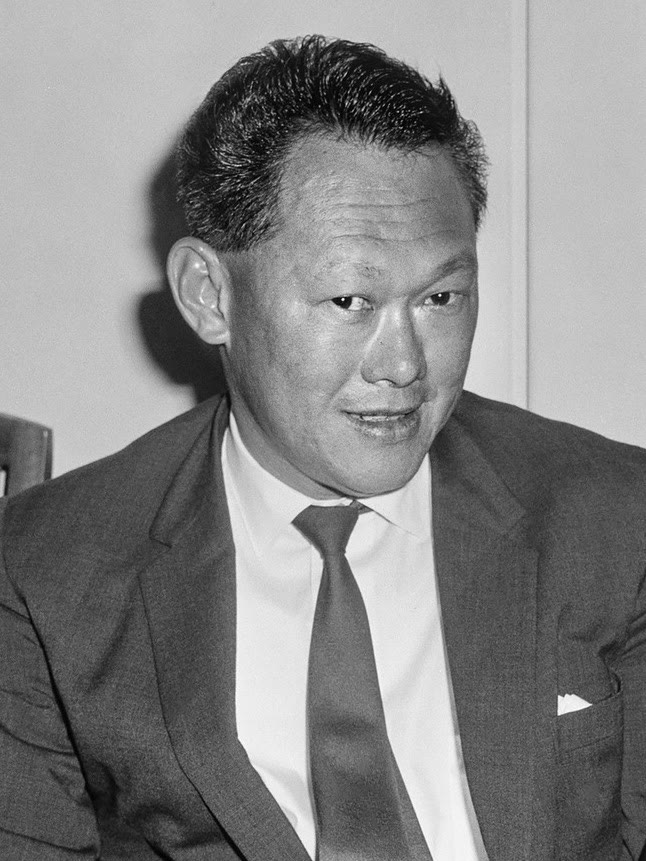
- High stakes: the winners would hold almost full internal powers, so parties campaigned intensely.
- Mass campaigning: radio broadcasts, newspapers, pamphlets, loudspeaker vans and rallies drew huge crowds.
- The LF's collapse: renamed the Singapore People's Alliance (SPA) in 1958, it won only 4 of the 39 seats it contested, as many Chinese voters resented Lim Yew Hock's handling of the 1956 riots.
- A PAP landslide: results announced in the early hours of 31 May 1959 gave the PAP a decisive victory.
Who Was Yusof bin Ishak?
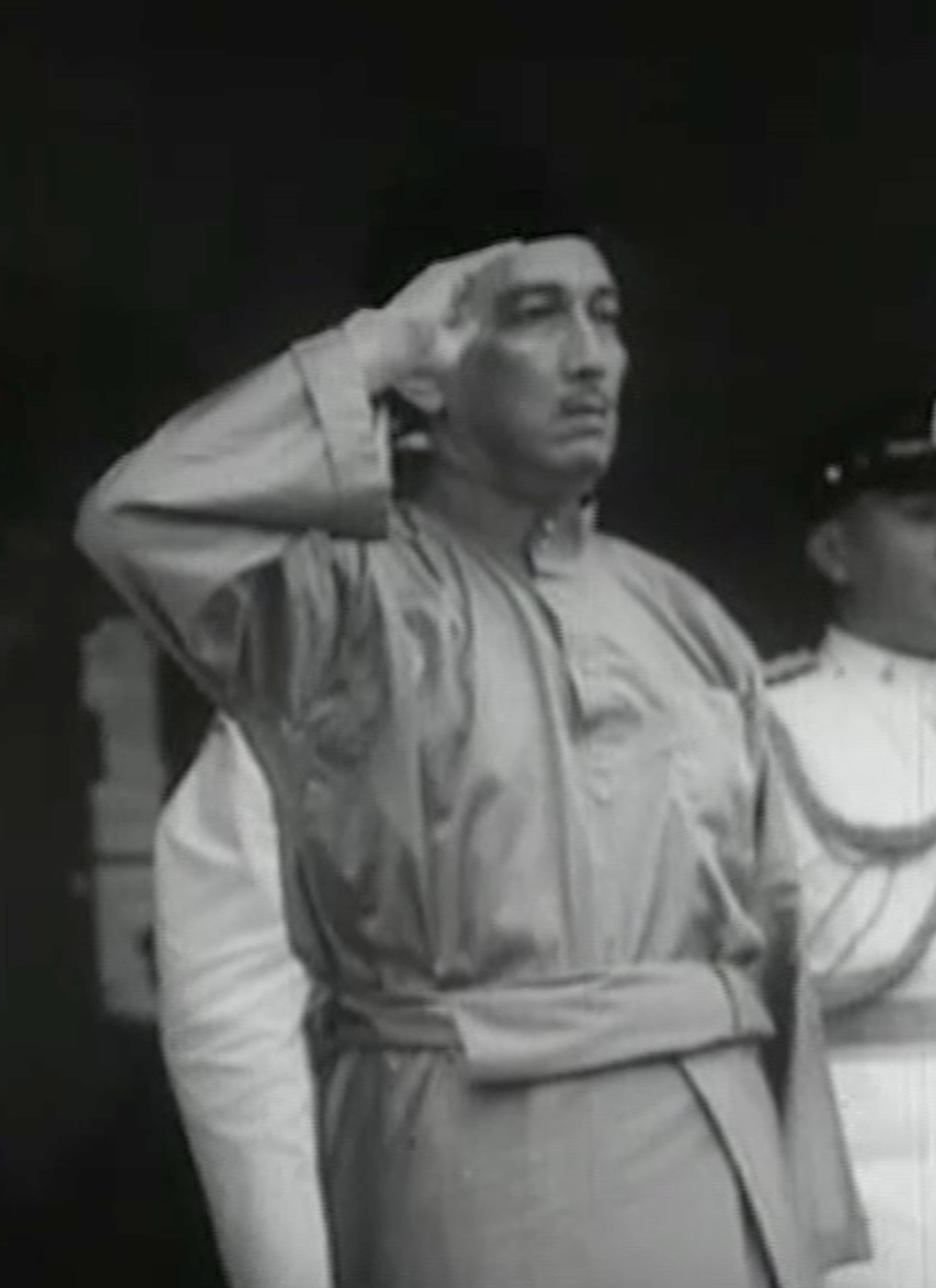
- Background: born in Perak, Malaya, in 1910, he moved to Singapore in 1923 and was the only Malay in the Queen's Scholarship class at Raffles Institution.
- Journalist: he founded the Malay newspaper Utusan Melayu.
- Head of State: he became the first local Yang di-Pertuan Negara in 1959 and, after independence in 1965, Singapore's first President.
In One Sentence
- By compromising on internal security, holding its most representative election and creating a new state with its own symbols, Singapore achieved full internal self-government in 1959, though it was not yet independent.
Think About It
- Marshall refused to compromise on internal security; Lim Yew Hock agreed to share it. Was compromise the smarter way to win self-government? Why?
- Why would a new flag, crest and anthem matter so much to people, even before Singapore was independent?
- meant everyone had to vote. What are the advantages of that, and could there be any drawbacks?