Why Did the Chinese Middle School Riots Happen in 1956?
Why Did the Chinese Middle School Riots Happen in 1956?
Lim Yew Hock succeeded Marshall in 1956 determined to win the British trust that Marshall had lacked. To prove he could contain communism, his government banned a student union and expelled students, triggering island-wide riots. These notes explain why he took a tough line, its consequences, why it pleased the British yet cost him local support, and how the four major riots of the 1950s compare.
Who Was Lim Yew Hock?
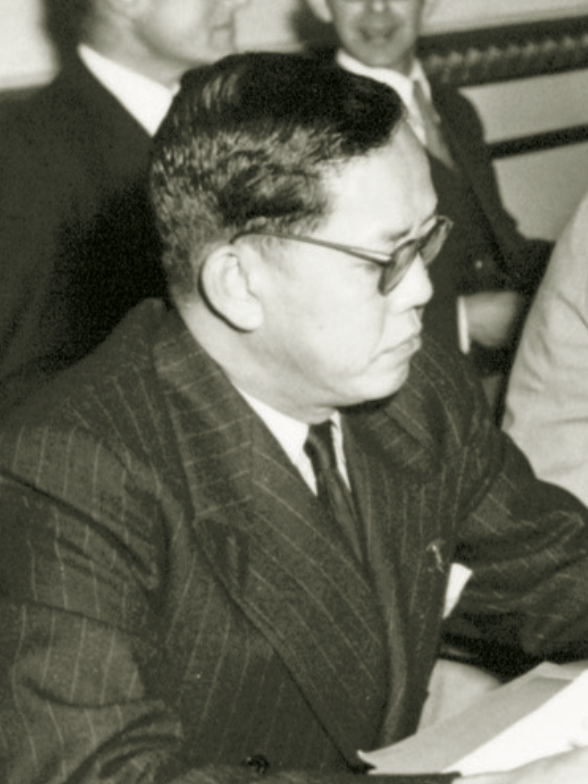
- Background: born in Singapore in 1914, he rose from clerk to union leader, and his easy-going manner won him broad support.
- Chief Minister: he succeeded David Marshall in June 1956.
- His reading of the situation: he recognised that British fears of communism were the main obstacle to self-government.
Why Did the Chinese Middle School Riots Happen in 1956?
Why Lim Yew Hock Took a Tough Line
- PPointLim Yew Hock cracked down on the Chinese middle school students to prove to the British that his government could contain communism.
- EEvidenceMarshall's talks had failed because the British doubted that a local government could maintain order and resist the communist threat. In September 1956, Lim's government banned the Singapore Chinese Middle School Students' Union () over its alleged communist activities.
- EElaborationBy acting decisively against groups suspected of communist links, Lim aimed to remove the very doubt that had sunk Marshall's talks, showing that Singapore could be trusted to run its own affairs.
- LLinkHence, his tough line was a calculated attempt to win British confidence and, with it, self-government.
The Crackdown
- September 1956: the SCMSSU was banned; two weeks later, 142 students were expelled.
- The protest: with union support, students camped in Chung Cheng High School and The Chinese High School.
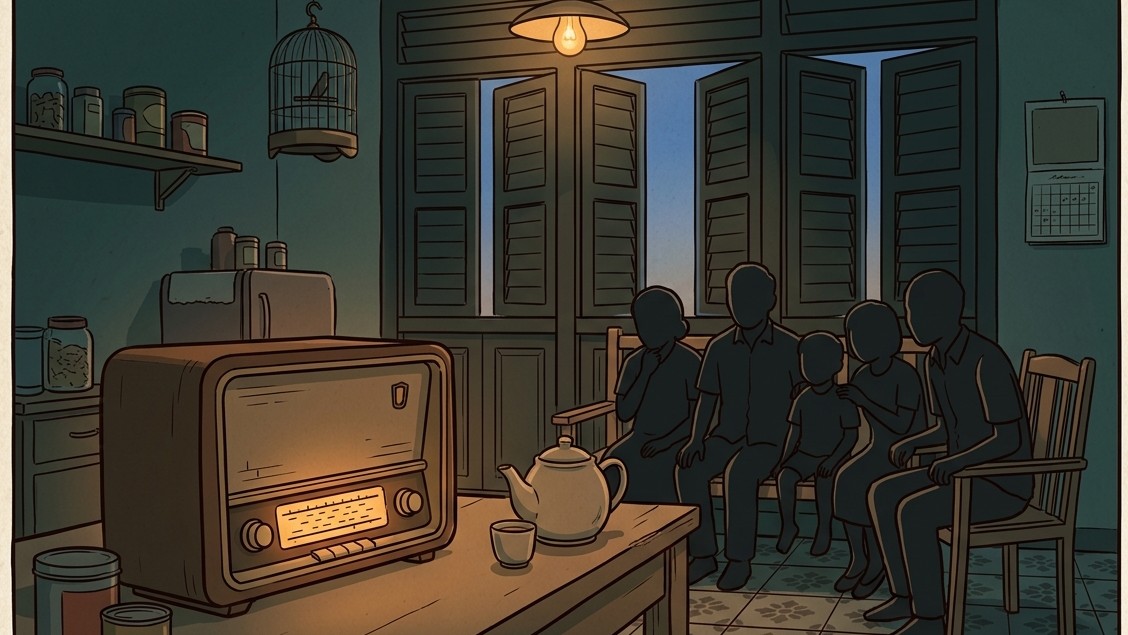
- 24 October: in a radio broadcast, Lim Yew Hock ordered them to leave by 8 pm the following evening.
- Island-wide riots: violence spread for three days and troops from Malaya were called in; by 28 October, 13 were dead and more than 120 injured.
- Mass detentions: more than 2,000 people were detained, including union leaders such as Lim Chin Siong and Fong Swee Suan.
Two Reactions
- The British: reassured by his decisive action, they trusted him more, strengthening his position at the 1957 talks in London.
- Some locals: they derided the Labour Front government as British , too eager to please their colonial masters.
- The cost: what reassured the British alienated many Chinese voters, which later cost his party the 1959 election.
- Inside the PAP: the detention of left-wing leaders allowed the moderates, led by Lee Kuan Yew, to take the lead in the party.
Comparing the Riots
- 1950, Maria Hertogh: a custody case seen as a religious issue and British bias; 18 dead.
- 1954, Anti-National Service: Chinese-medium students against National Service; 26 injured.
- 1955, Hock Lee Bus: a workers' strike backed by students; 4 dead.
- 1956, Chinese Middle School students: against the union ban and expulsions; 13 dead.
- Together: they revealed how deep discontent with British rule ran, and how central students and workers had become to politics.
In One Sentence
- To prove he could contain communism, Lim Yew Hock cracked down on Chinese middle school students in 1956, which won British trust but made his government appear to be British "running dogs" to many locals.
Think About It
- The same actions pleased the British and angered many locals. Can a leader please both sides? What would you have prioritised?
- Students played a big part in three of the four riots. Why do you think students became so politically active in the 1950s?
- Look at the four riots side by side. What do they have in common, and what makes each one different?